Why Is My Water Bill Suddenly So High?
A water bill spike in Houston is almost never random. Something changed in your home — and this guide will help you find it fast before it costs you another month at that rate.
You open your Houston water bill and the number is $80 higher than last month. Or $200 higher. Nothing changed — same number of people in the house, same routines, same everything. So where did all that water go?
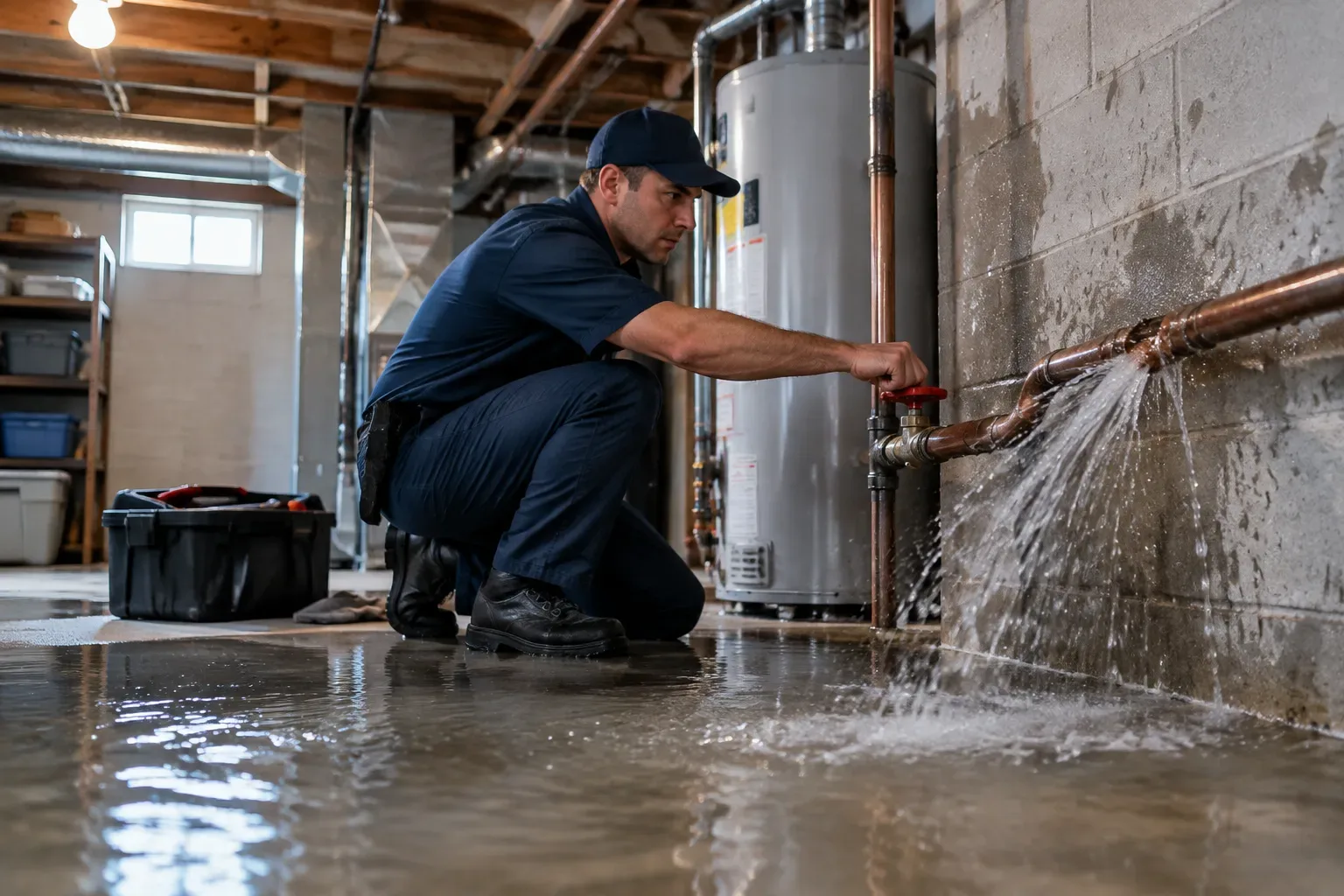
A sudden increase in a Houston water bill is almost always traceable to a specific cause. Water doesn't disappear — it went somewhere. And in a city built on slab foundations with aging pipe infrastructure and hard water that stresses fixtures faster than most places in the country, the causes range from a simple running toilet to a slab leak that's been quietly dumping water under your foundation for weeks. This guide walks you through every possibility — in order of frequency — and gives you the steps to find the source and fix it.
The First Thing to Do When Your Houston Water Bill Spikes
Before you call anyone or check anything in your home, do this one test. It takes 30 minutes, costs nothing, and tells you definitively whether water is leaving your system through a leak:
Shut Off Everything That Uses Water in the House
Turn off all faucets, showers, and appliances. Make sure the dishwasher, washing machine, and ice maker are not running. If you have an automatic irrigation system, confirm it is off and not scheduled to run. Include any exterior hose bibs — even a slowly dripping outdoor faucet counts.
Go to Your Water Meter and Note the Reading
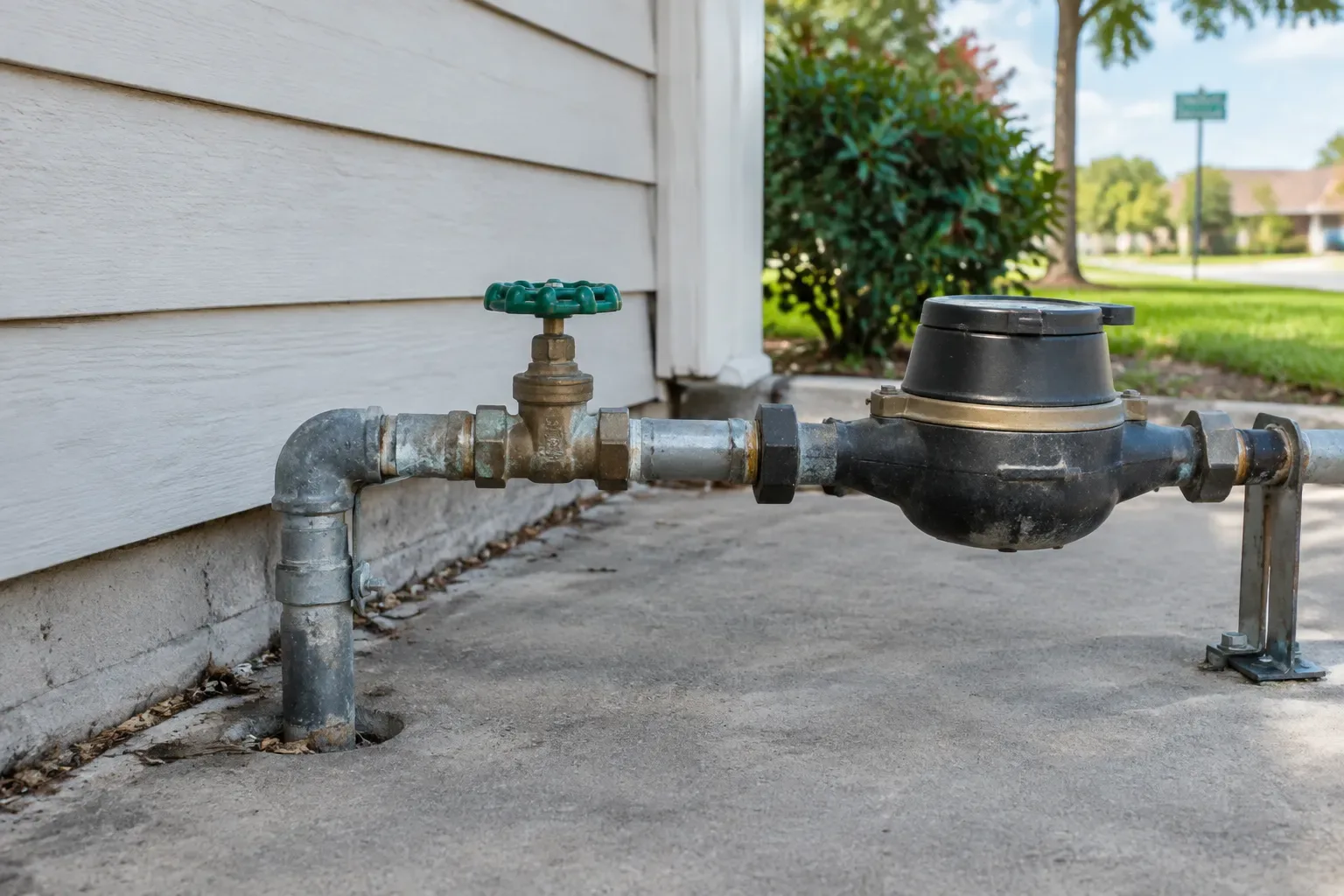
Your water meter in Houston is typically located near the street in a small box at the edge of your property. Open the box and note the exact meter reading — most Houston meters have a digital or analog dial that shows total gallons used. Many also have a small leak indicator triangle or star that spins when any water is flowing.
Wait 30 Minutes — Don't Use Any Water
Leave everything off and do not use any water in the house for exactly 30 minutes. Don't flush a toilet, run a tap, or start the dishwasher. If you have other people in the home, let them know not to use water during this window.
Check the Meter Again
Return to the meter after 30 minutes and check the reading. If the reading has changed at all — even slightly — water is actively flowing somewhere in your system. You have a confirmed leak. If the meter shows no movement, the cause of your high bill was likely a usage event from the previous billing cycle rather than an active ongoing leak — see the other causes in this guide.
Many Houston water meters have a small leak detector — a small triangle, star, or dial that spins with any water flow, no matter how small. Even before taking a 30-minute reading, check whether this indicator is moving when everything in your home is off. Any movement at all confirms an active leak somewhere in your system.
10 Most Common Causes of High Water Bills in Houston
Here are the causes our Houston plumbing team encounters most frequently when investigating unexplained water bill spikes — listed from most to least common:
Running Toilet
The single most frequent cause of unexplained high water bills in Houston homes. A flapper valve that doesn't seal properly allows water to continuously drain from the tank into the bowl — completely silently in many cases. Add a few drops of food coloring to the toilet tank; if color appears in the bowl without flushing, the flapper is leaking. A running toilet wastes 200–1,000 gallons per day.
Slab Leak (Under Foundation)
In Houston's slab foundation homes, a pressurized supply line leak beneath the concrete releases water continuously into the soil. Because the water doesn't appear inside the home immediately, many Houston homeowners discover slab leaks only when the bill spikes. Even a small slab leak wastes thousands of gallons per month. Warm spots on floors, the sound of running water when everything is off, and a constantly moving meter are the key signs. See our full slab leak detection service for how we locate these without unnecessary demolition.
Hidden Pipe Leak Inside Walls or Ceiling
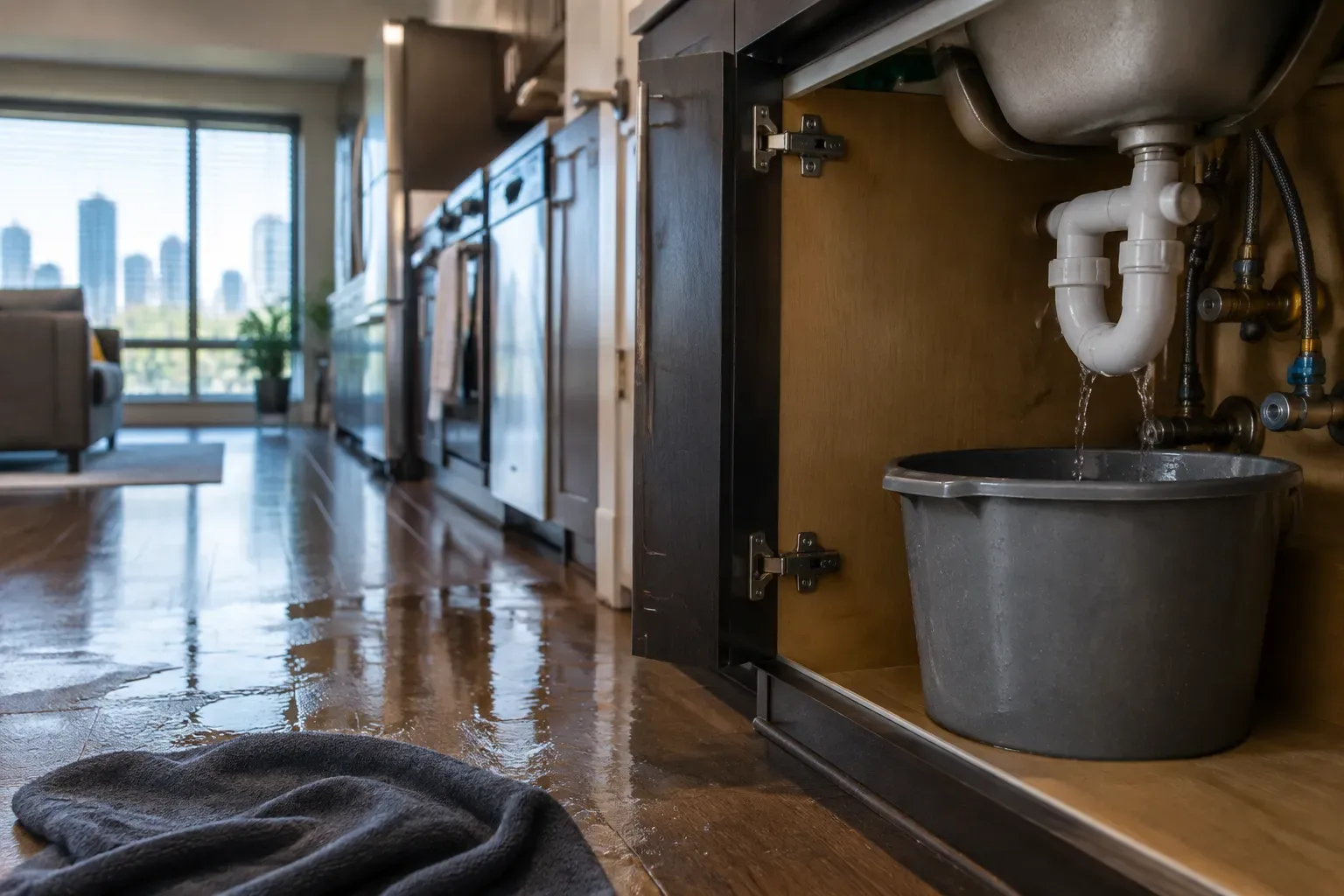
A pinhole leak in a copper pipe or a loose fitting inside a wall releases water steadily — sometimes for weeks before any visible sign appears on the surface. Houston's moderately hard water causes pinhole leaks in copper supply lines over time, particularly in homes built in the 1970s–1990s. The meter test confirms the leak; professional detection equipment locates it precisely without unnecessary demolition.
Irrigation System Leak or Broken Head
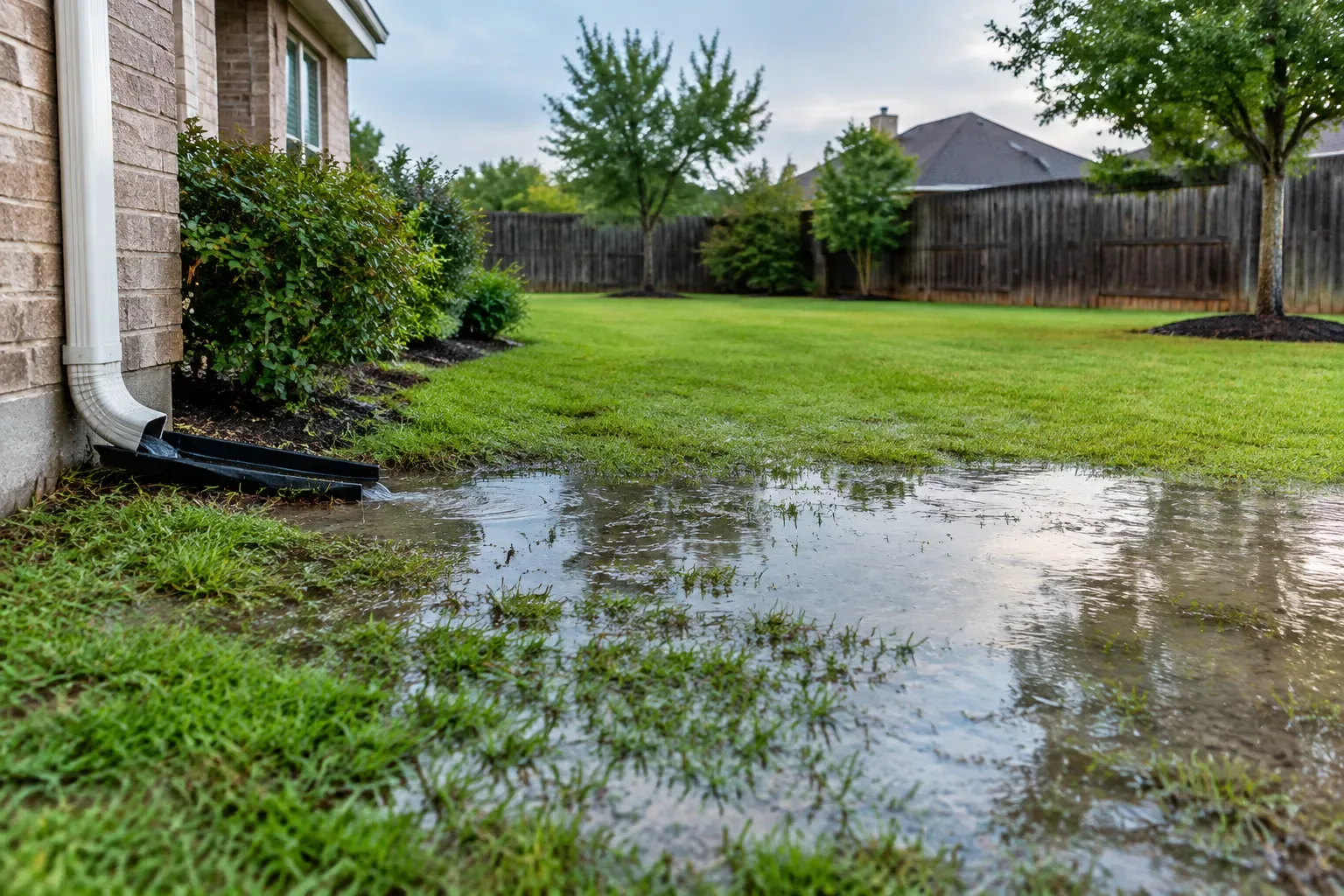
Houston homeowners with in-ground irrigation systems are frequent victims of undetected system leaks. A broken sprinkler head, a cracked lateral line, or a zone valve that won't fully close releases significant water every time the system runs — and sometimes continuously. Because irrigation systems often run overnight or early morning, the leak is rarely seen. Check your system zone by zone after any high bill.
Leaking Outdoor Hose Bib (Spigot)
An outdoor faucet that drips or weeps continuously — even slowly — wastes significant water over a month. Houston's year-round outdoor activity means hose bibs get heavy use and their washers and packing wear out. A dripping hose bib is easy to miss because it's outdoors and not immediately visible from inside the house. Walk around the exterior and check every spigot.
Water Softener Malfunction
Houston's hard water means many homeowners install water softeners, which periodically regenerate by flushing water through a salt brine cycle. A water softener stuck in a continuous regeneration cycle can waste hundreds of gallons per day without any visible sign. If your home has a water softener, check the control head for error codes and listen for continuous water cycling as a first step.
Leaking Water Heater
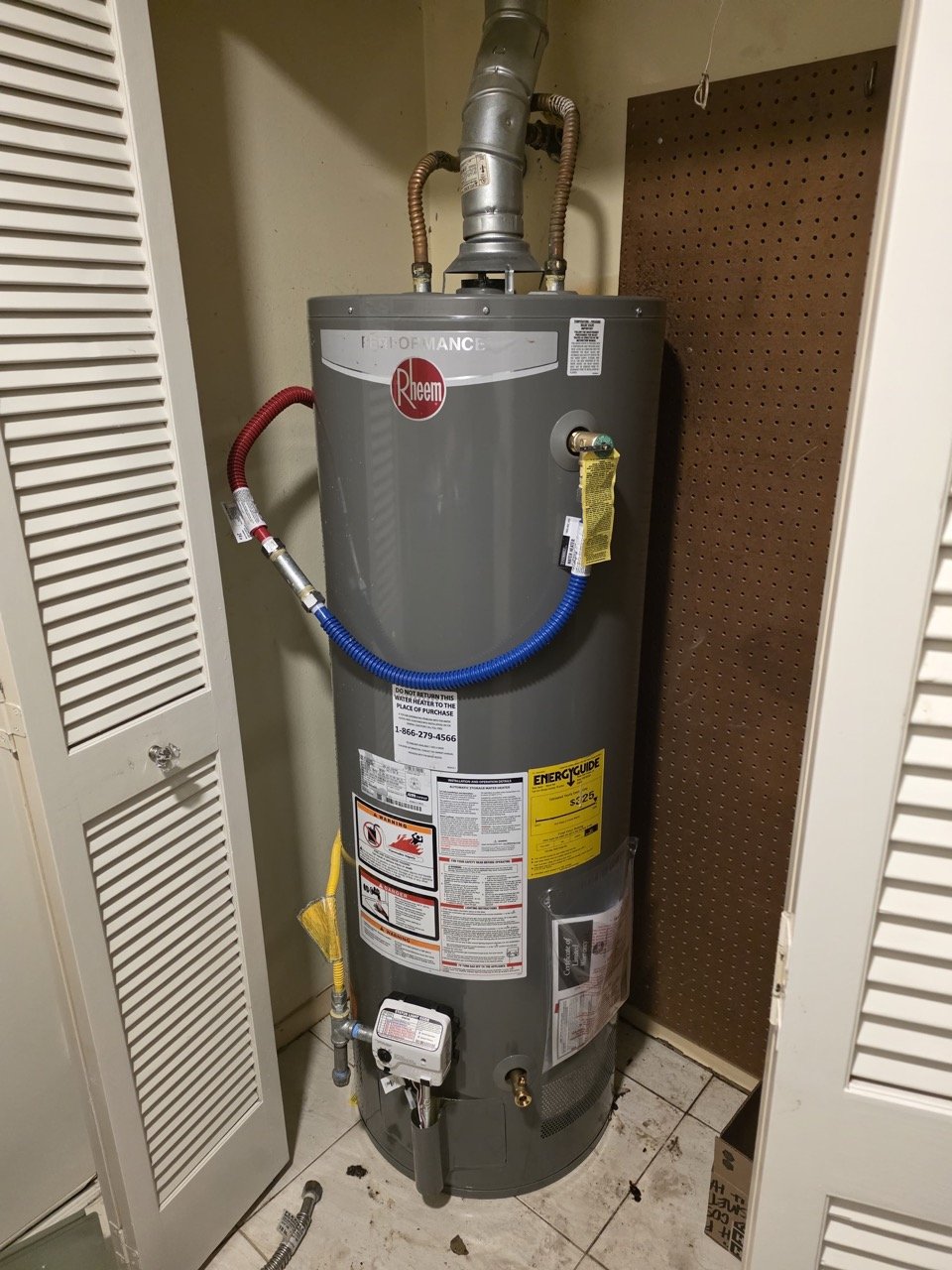
Water heaters that are developing pressure relief valve leaks, tank corrosion leaks, or fitting leaks at the supply connections can waste significant water before they're noticed — particularly if the water heater is in a closet, garage, or utility room that isn't checked frequently. Any moisture around the base of the unit or along the supply lines warrants immediate investigation.
Leaking Faucet or Showerhead
A faucet that drips at one drop per second wastes approximately 3,000 gallons per year. A showerhead that drips at the same rate adds another. In a Houston home with multiple dripping faucets — which is common when hard water has worn down valve seats and cartridges — the cumulative waste adds up to a meaningful bill impact over a monthly billing cycle.
Increased Household Usage
Houseguests, a teenager home for the summer, filling a pool or hot tub, extended landscaping watering during a dry spell, or a new appliance with higher water consumption — all of these can genuinely explain a higher bill without any leak at all. Review the billing period against your calendar before assuming a leak is the cause.
City Meter Error or Rate Change
The City of Houston occasionally has meter reading errors or billing system issues. Rate changes are also implemented periodically. If your meter test shows no active leak and your usage habits haven't changed, contact the City of Houston's water billing department to request a meter check and bill review before paying a spike you can't explain.
How Much Water Each Problem Actually Wastes Per Month
| Leak or Problem | Estimated Monthly Waste | Urgency |
|---|---|---|
| Continuously running toilet | 6,000 – 30,000 gallons | Fix Immediately |
| Slab leak (moderate flow) | 5,000 – 20,000 gallons | Call Plumber Today |
| Hidden pipe leak in wall | 1,000 – 10,000 gallons | Call Plumber Soon |
| Irrigation system leak | 2,000 – 8,000 gallons | Inspect System |
| Water softener stuck in regen | 3,000 – 6,000 gallons | Check Control Head |
| Dripping outdoor hose bib | 300 – 1,500 gallons | Repair Soon |
| Dripping faucet (1 drop/sec) | ~250 gallons | Schedule Repair |
| Leaking water heater fitting | 500 – 3,000 gallons | Inspect Immediately |
Houston-Specific Reasons Your Water Bill May Be Higher Than Expected
Slab Foundations Hide Leaks Until the Bill Arrives
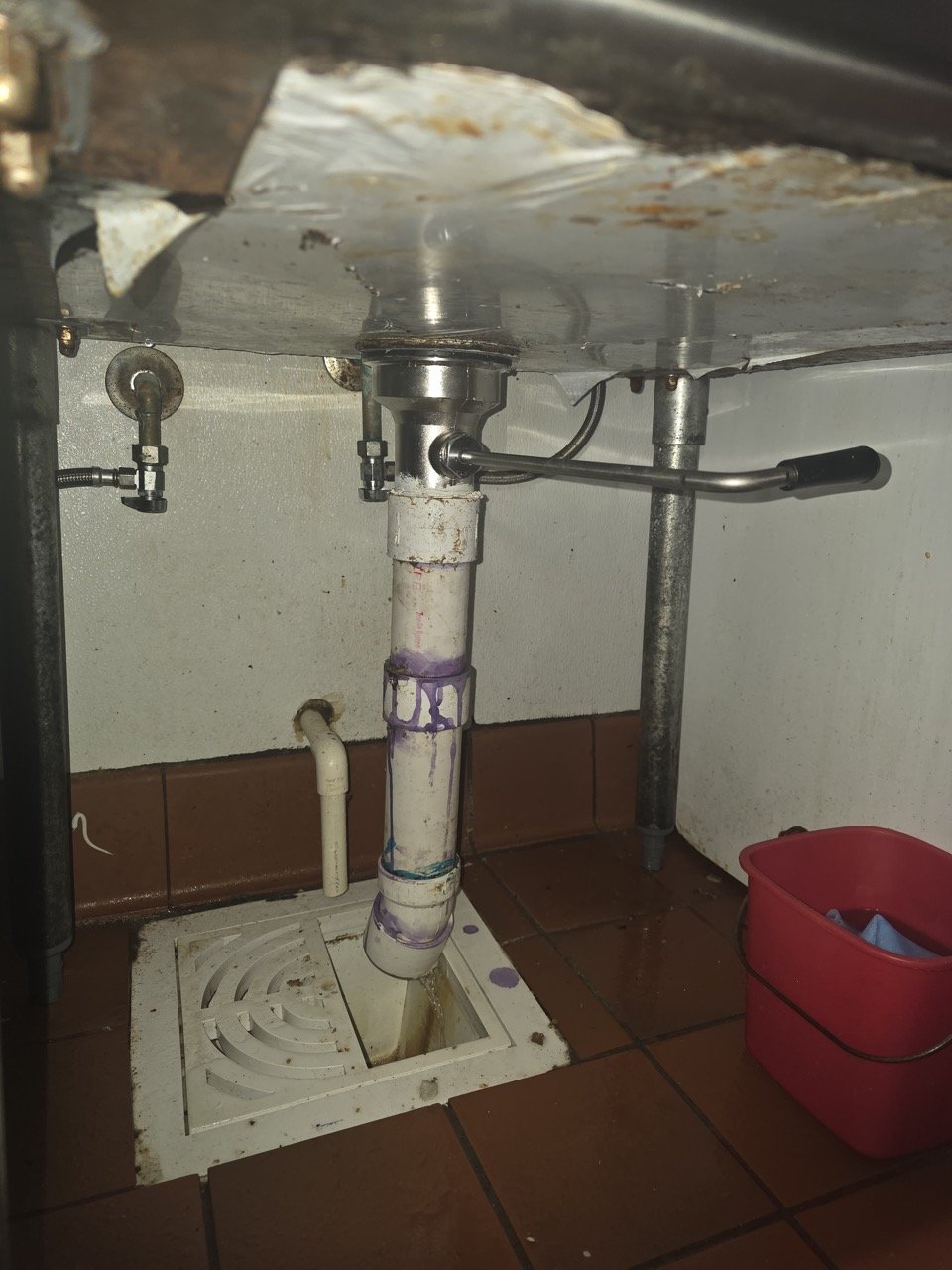
In most U.S. cities with crawl space or pier-and-beam foundations, a pipe leak eventually makes itself visible — dripping into the crawl space, staining a floor, or creating obvious dampness. In Houston, where virtually all homes from Katy to Pasadena, Pearland to the Heights sit on concrete slabs, supply line leaks beneath the foundation release water directly into the soil. That water saturates the clay, migrates outward, and may never appear inside the home at all — until the bill arrives. By that point, the leak may have been running for weeks. A professional slab leak inspection is the only way to confirm and locate this type of loss.
Hard Water Destroys Toilet Flappers and Valve Seats Faster
Houston's moderately hard water deposits calcium and mineral scale on rubber components inside toilet tanks — particularly on flappers and valve seats. This scale prevents the flapper from seating properly against the flush valve, creating a continuous slow drain from tank to bowl that's often completely silent. Houston homeowners typically need to replace toilet flappers every 2–3 years — significantly more often than national averages — specifically because of hard water mineral damage. If your toilet is more than three years old and you haven't replaced the flapper, there's a reasonable chance it's leaking.
Houston's Hot Summers Spike Irrigation Use — And Mask Leaks
During Houston's intensely hot summers — when temperatures regularly exceed 95°F from June through September — homeowners legitimately increase their irrigation usage to keep lawns alive. This seasonal increase makes it harder to detect a simultaneous irrigation system leak, because the higher usage "explains" a higher bill. If your irrigation bill stays elevated after rainfall returns in the fall, or if specific zones of your system show green patches significantly lusher than others, investigate those zones for a lateral line or head leak.
How to Find the Leak Yourself — Room by Room
Once the meter test confirms water is flowing, here's how to systematically narrow down the source before calling a plumber:
Toilets — Check These First
Put 5–6 drops of food coloring in the tank (not the bowl) of each toilet. Wait 15 minutes without flushing. If color appears in the bowl, the flapper is leaking — this is your likely culprit. Replacement flappers cost under $10 at any Houston hardware store and take 10 minutes to install. Check every toilet in the house before moving on.
Faucets and Showerheads
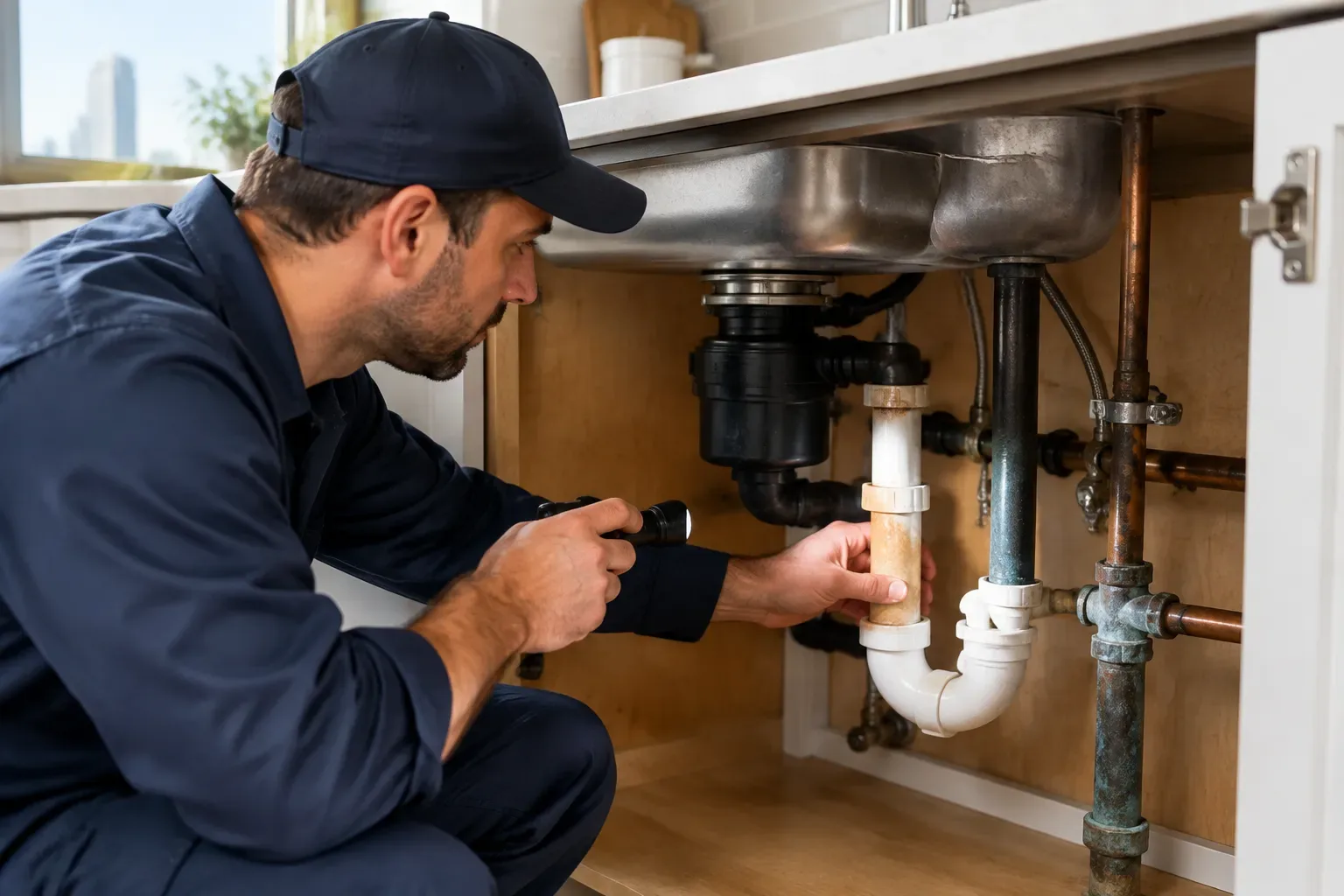
Walk through every bathroom and the kitchen and look and listen for drips from faucets and showerheads — including when they're "off." A faucet that drips even once every few seconds is worth repairing. Also check the supply line connections under each sink for any sign of moisture or mineral deposits around the fittings.
Water Heater
Check the floor around the base of the water heater for moisture or rust staining. Check the supply line connections at the top and the pressure relief valve discharge pipe for any sign of water. A water heater that is leaking slowly at the base is developing a tank failure and should be addressed promptly — see our water heater repair and replacement service.
Irrigation System
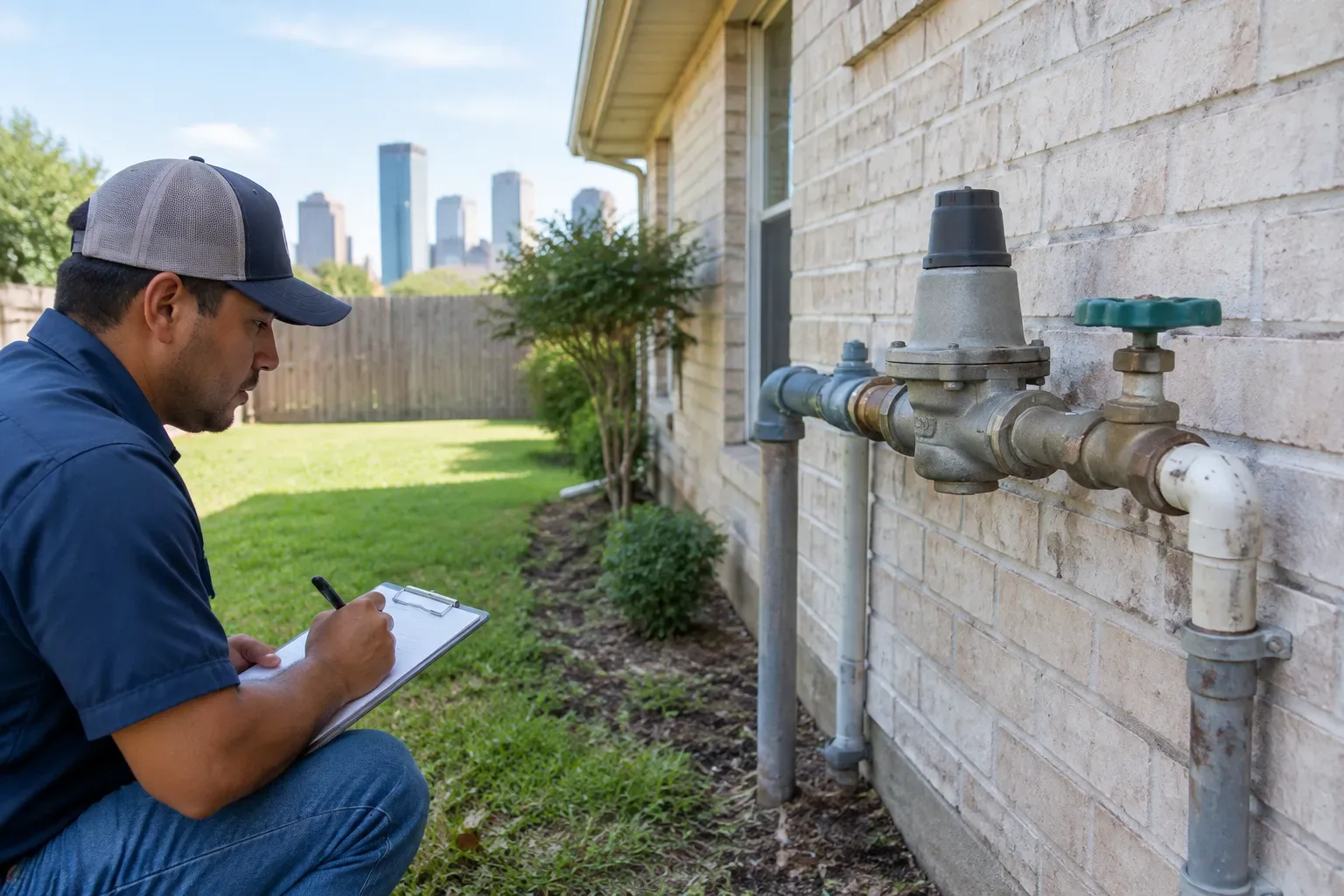
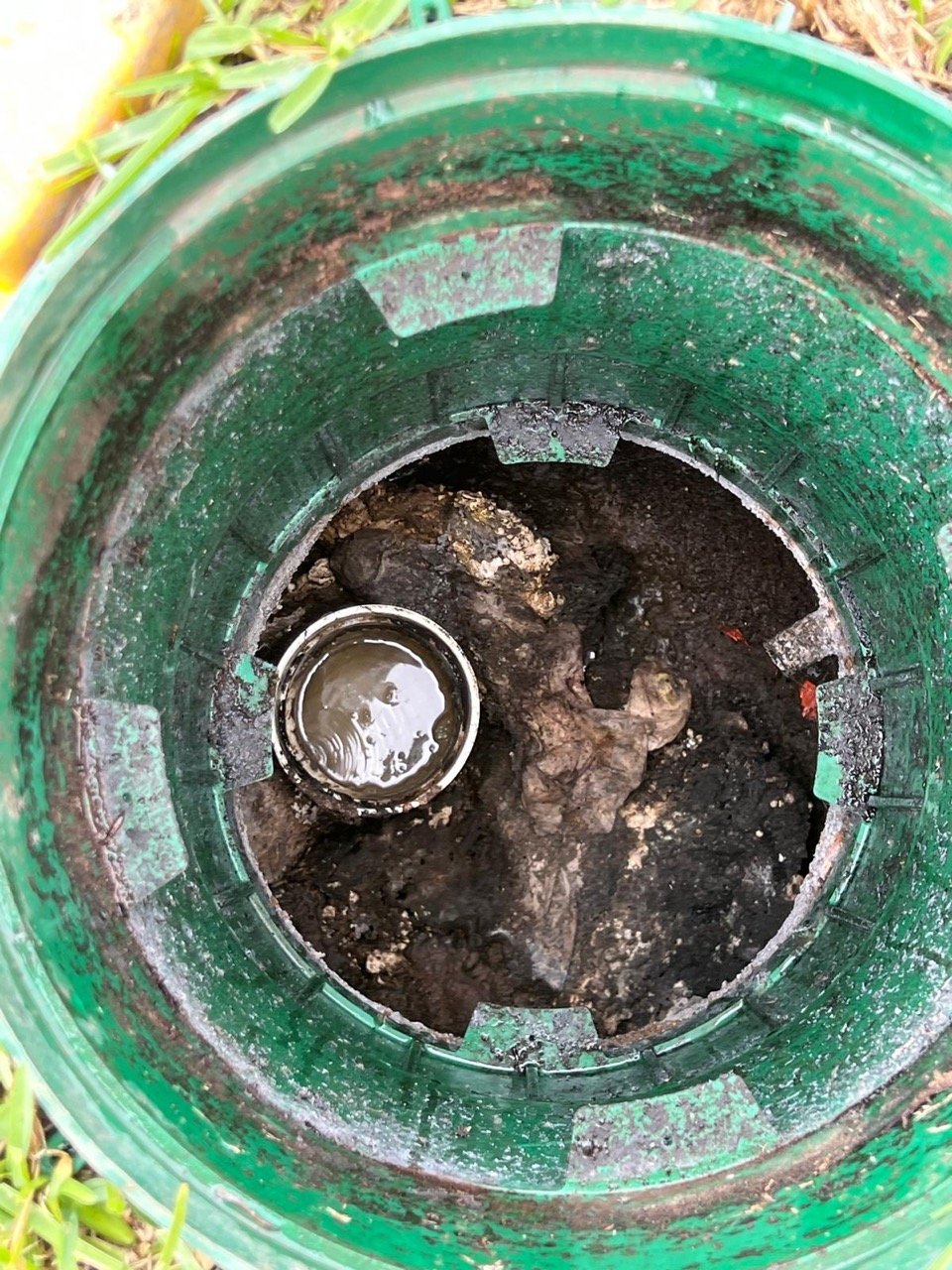
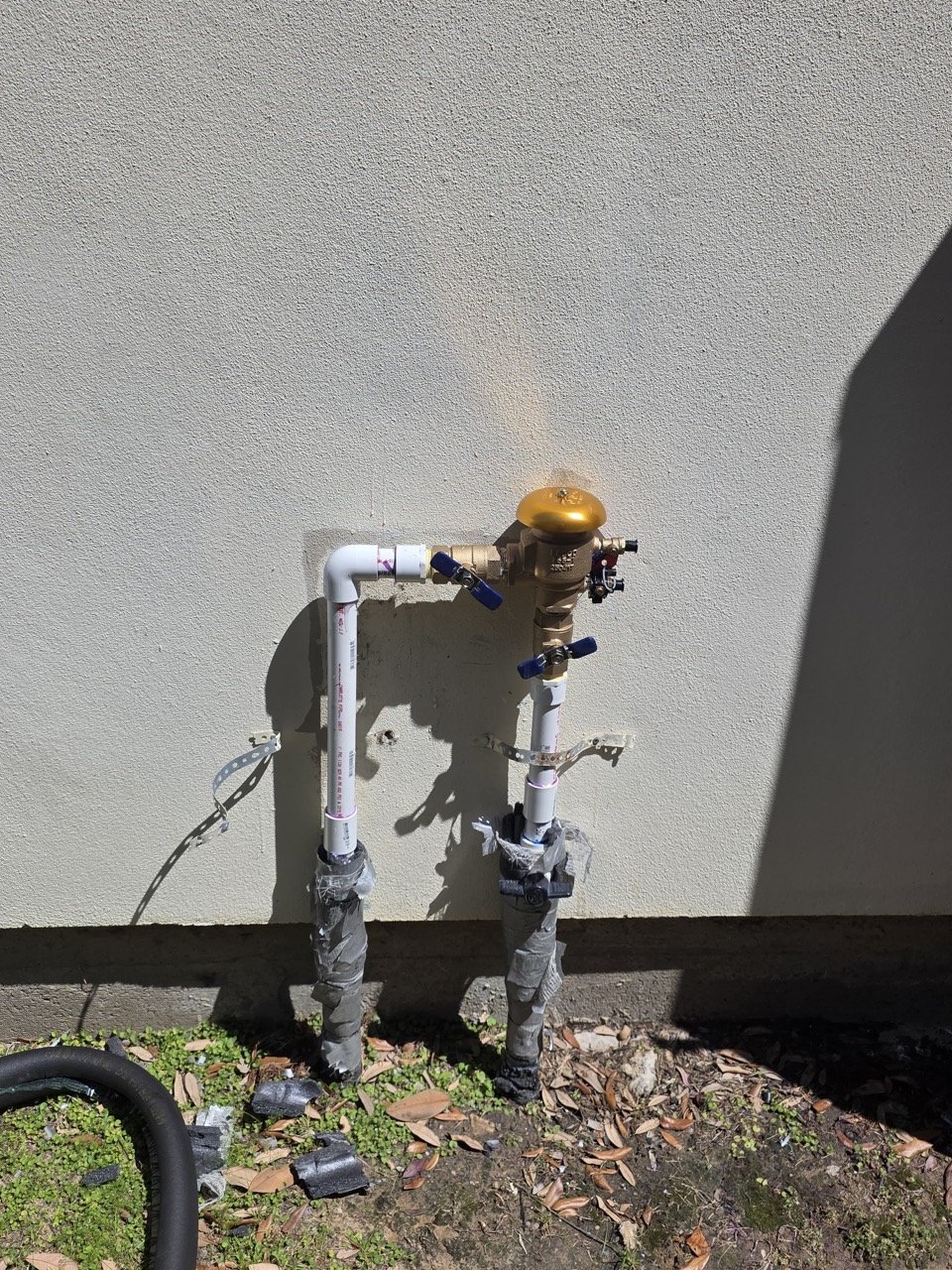
Run each zone individually and walk the full area it covers, looking for broken heads (water shooting straight up or pooling), excessively wet areas between heads (indicating a lateral line crack), or heads that don't retract fully when the zone shuts off. Also check the backflow preventer and valve box for any dripping or moisture that persists after the system has been off for an hour.
Shut Off Irrigation and Re-Test the Meter
If you're unable to find the leak inside the house, shut off the irrigation system at the controller and main valve, then repeat the 30-minute meter test. If the meter stops moving, the leak is in your irrigation system. If it continues, the leak is in your household plumbing — and it's time to call a licensed Houston plumber for professional leak detection.
High Water Bill With No Visible Leak in Houston?
If the meter confirms water is flowing but you can't find the source, it's likely a slab leak or hidden pipe leak. Our detection team locates it precisely — including under slabs — without unnecessary demolition.
When to Contact the City of Houston About Your Water Bill
Not every high water bill is the result of a plumbing problem inside your home. There are situations where the City of Houston is the right first call:
- Your meter test shows no movement — but the bill is still significantly higher than the same period last year. This could indicate a meter reading error or a billing system issue.
- You have a documented leak that has now been repaired — the City of Houston has a leak adjustment program that may provide a one-time bill credit for verified leaks that were repaired promptly. Contact Houston Water billing to request an adjustment.
- Your meter appears to be damaged, stuck, or reading incorrectly — Houston Water can dispatch a technician to test and replace the meter at no charge if there is a verified malfunction.
- You notice a water leak in the street or near the meter box on the public side of the meter — this is Houston Water's responsibility to repair, not yours.
The City of Houston offers a one-time leak adjustment credit for homeowners who experience a high bill due to a verifiable plumbing leak that has since been repaired. To qualify, you typically need documentation of the repair (a plumber invoice or receipt) and must apply within a specific window after the billing cycle. Contact Houston Water at houstontx.gov/water for current program details and eligibility requirements.
When to Call a Plumber About a High Water Bill
Call a licensed Houston plumber when:
- The meter test confirms water is actively flowing with everything turned off — and you cannot find the source inside the home
- You notice warm spots on tile or hardwood floors — a strong indicator of a hot water slab leak
- You hear running water or a faint hissing sound when all fixtures are off
- Your bill has been elevated for two or more consecutive billing cycles without explanation
- The meter shows continued flow even after shutting off both the indoor plumbing and the irrigation system — indicating an underground leak between the meter and the house
- You find moisture, mold, or staining on walls, ceilings, or floors without an obvious surface source
- The bill spike followed a hard freeze, significant storm, or major shift in Houston's weather
In Houston slab homes, a water supply leak beneath the foundation that goes unaddressed doesn't just waste water — it saturates the clay soil, erodes the slab's support, and can cause differential foundation movement that costs far more to repair than the original pipe. A professional leak detection call is the right response the moment the meter test confirms unexplained flow. See our guide on can a small water leak cause major damage for the full picture of what happens when a slab leak is left unaddressed.
For a full breakdown of what leak detection and repair costs in Houston, see our Houston plumbing cost guide. To understand how much damage a hidden leak causes over time, see can a small water leak cause major damage. If you're also experiencing a sewage smell alongside the high bill, see why your house smells like sewage.
Frequently Asked Questions — High Water Bills in Houston
High Water Bill in Houston? Let's Find the Cause.
Our leak detection team locates hidden leaks — including under slabs — quickly and accurately, with a full written estimate before any repair starts. Serving all of Houston 24/7.
Sources: City of Houston Water — Billing & Leak Adjustment Program | EPA WaterSense — Fix a Leak Week | Texas State Board of Plumbing Examiners | One Plumbing Expert Houston — Leak Detection & Repair | Can a Small Water Leak Cause Major Damage? | Houston Plumbing Repair Cost Guide