Why Do 1960s Slab Homes Near Willowbend Get Low Water Pressure?
Low water pressure in a 1960s slab home near Willowbend can come from a clogged fixture, a partially closed valve, an aging pressure regulator, corroded interior piping, a concealed leak, or a supply issue outside the house. The age of the home is useful context, but it does not prove the pipe material or identify the fault. A 1960s home may have galvanized steel, copper, or later replacement lines.
The fastest way to narrow it down is to identify where the symptom occurs: one fixture, hot water only, or the whole house. For help interpreting the results, One Plumbing Expert Houston provides residential and commercial plumbing services in the Houston area.
Quick Answer
If one faucet or shower is weak, start with its aerator, showerhead, stop valve, or local branch line. If hot water alone is weak, look at the water heater shutoff, connectors, and hot-water piping. If every fixture has poor flow, the likely issue is farther upstream, such as a main shutoff, pressure-reducing valve, whole-house filter, service line, concealed leak, or widespread internal pipe corrosion.
A pressure reading at a suitable exterior hose bib can help, but static pressure alone is not a complete diagnosis. Water can show a normal reading while no fixtures are running, then fall sharply when a shower, faucet, or appliance calls for flow.
Does the problem affect one fixture or the entire house?
The pattern matters more than the construction year. Pressure is the force available in the plumbing, while flow is the amount of water that actually reaches a fixture. A narrowed pipe can leave some static pressure on a gauge but still deliver disappointing flow during normal use.
One fixture is weak
Sediment in an aerator or showerhead, a partly closed stop valve, or a restricted branch line is more likely. Check simple fixture-level restrictions before assuming a whole-house problem.
Hot water is weak but cold water is normal
A restriction near the water heater, a closed valve, a connector issue, or scale in hot-water piping may be involved. The incoming cold-water supply may be working normally.
Most or all fixtures are weak
The cause may be at the main shutoff, pressure regulator, filter, meter-side connection, service line, or older distribution piping. This pattern deserves a systematic pressure and flow evaluation.
A sudden loss of pressure throughout the home deserves more attention than a slow, long-standing decline. Ask nearby properties only to learn whether they have the same symptom. Their experience can suggest a utility-side issue, but it cannot confirm one.
What can cause low pressure in an older slab house?
Several different problems can produce the same complaint. The table separates what you can observe from possible causes and what a professional may need to verify.
| What you notice | Possible cause | What inspection can confirm |
|---|---|---|
| Weak flow at one faucet or shower | Clogged aerator, showerhead, fixture valve, or local branch restriction | Whether the fixture is obstructed or the restriction continues beyond it |
| Cold water works better than hot | Water-heater shutoff, connector, or hot-water line restriction | Whether the issue begins at the heater outlet or within a hot-water branch |
| Low flow everywhere, especially during simultaneous use | Main valve, regulator, filter, service line, or internal pipe restriction | Pressure and flow behavior before and after accessible plumbing components |
| A sudden drop plus unexplained water use or moisture | Concealed leak under or through the slab, or a damaged service line | Meter testing, pressure testing, and leak-detection findings |
Could galvanized piping be the reason?
It could, if galvanized steel remains in service. Rust scale can build up on the inside of aging galvanized pipe and reduce the open passage, much like narrowing a drinking straw. This often creates a gradual whole-house or multi-fixture flow problem, even when the incoming supply is adequate.
Do not assume the original pipe is still present because the home was built in the 1960s. Pipe material should be identified at accessible connections or through inspection. If widespread internal corrosion is confirmed, recurring fixture repairs may offer only limited improvement. In that situation, pipe installation and replacement may be a more durable discussion than repeatedly treating individual symptoms.
Could a slab leak lower water pressure?
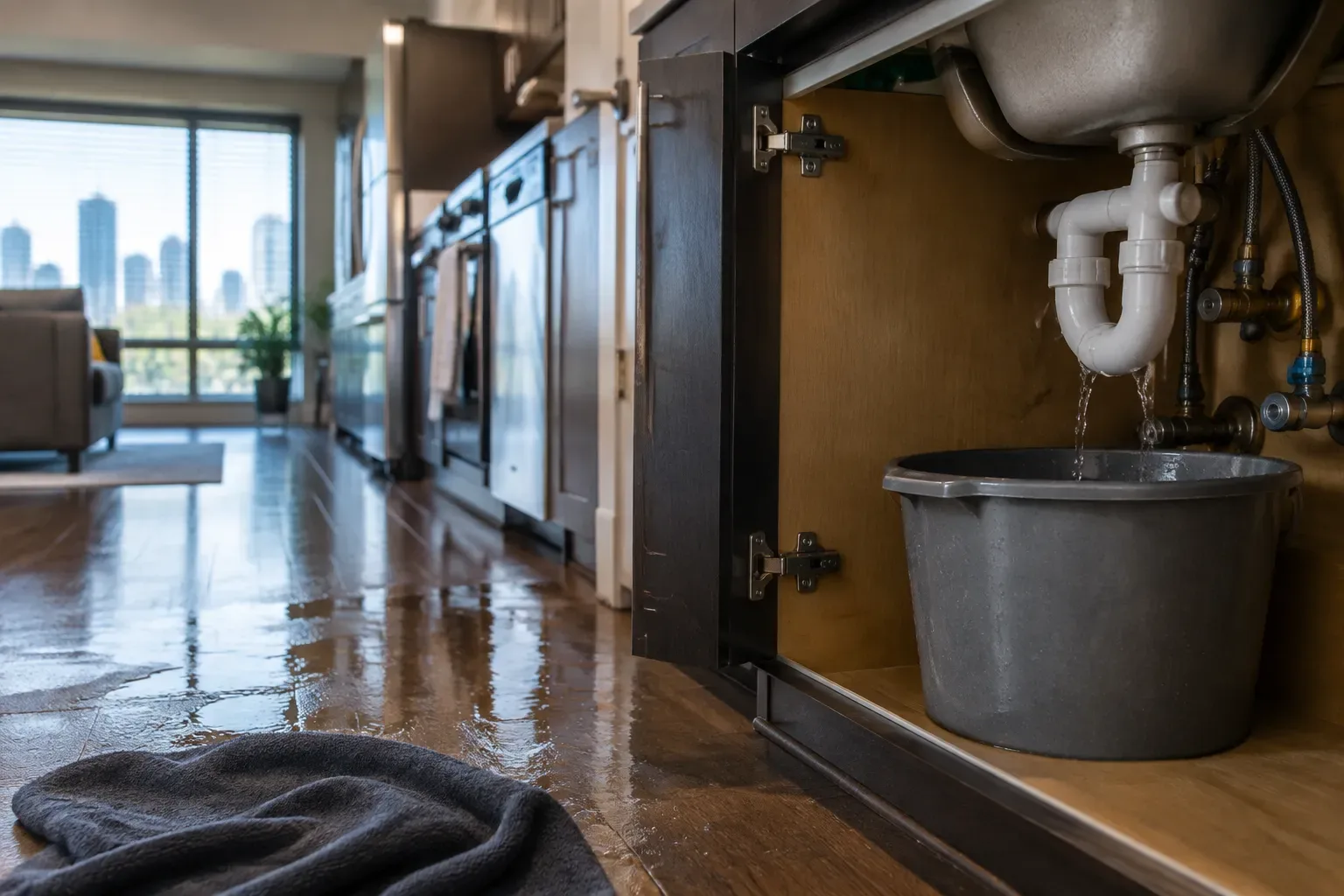
A leak in a concealed water line can reduce available flow, but low pressure alone does not prove there is a slab leak. Watch for a meter that moves after all water use is stopped, damp flooring, warm areas on a slab, unexplained water use, staining, a mold-like odor, or the sound of water running when fixtures are off. The EPA also recommends investigating plumbing leaks and water-use clues rather than ignoring them. Its leak guidance explains common household leak checks.
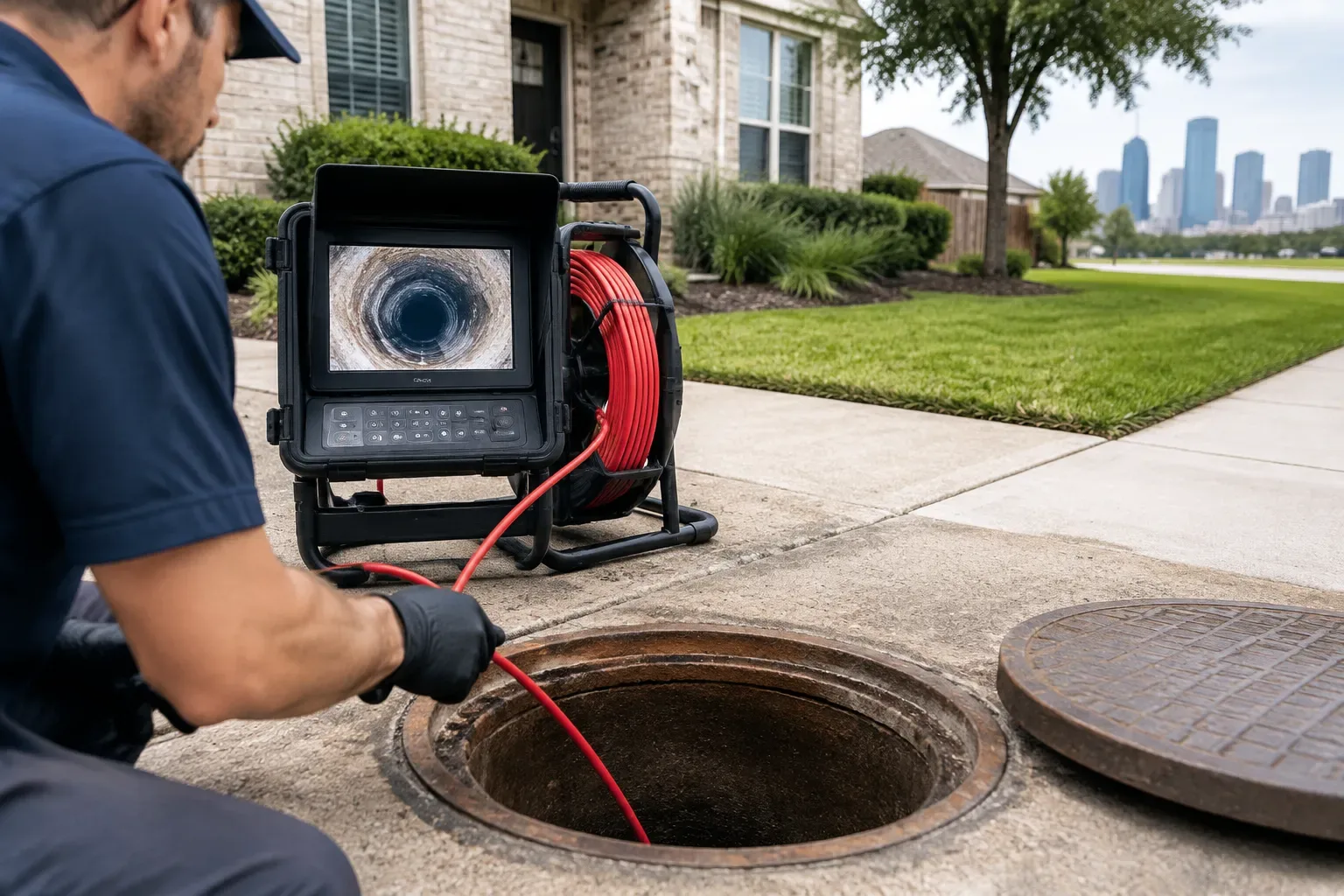
Houston-area slab foundations can make water lines difficult to access. Soil movement can stress buried piping and connections, but it is only one possible contributing factor, not an automatic explanation. Professional leak detection and repair can use pressure testing and other non-invasive methods to locate evidence before anyone recommends opening a slab.
How can you check low water pressure before scheduling service?
Start with observations that do not require disassembling supply piping. Avoid forcing old valves or changing a regulator setting without knowing its condition.
- Test cold water at several fixtures, then compare it with hot water at the same locations. Note whether the problem is isolated, hot-water-only, or house-wide.
- Remove and rinse accessible faucet aerators and showerheads. Restore them carefully and retest.
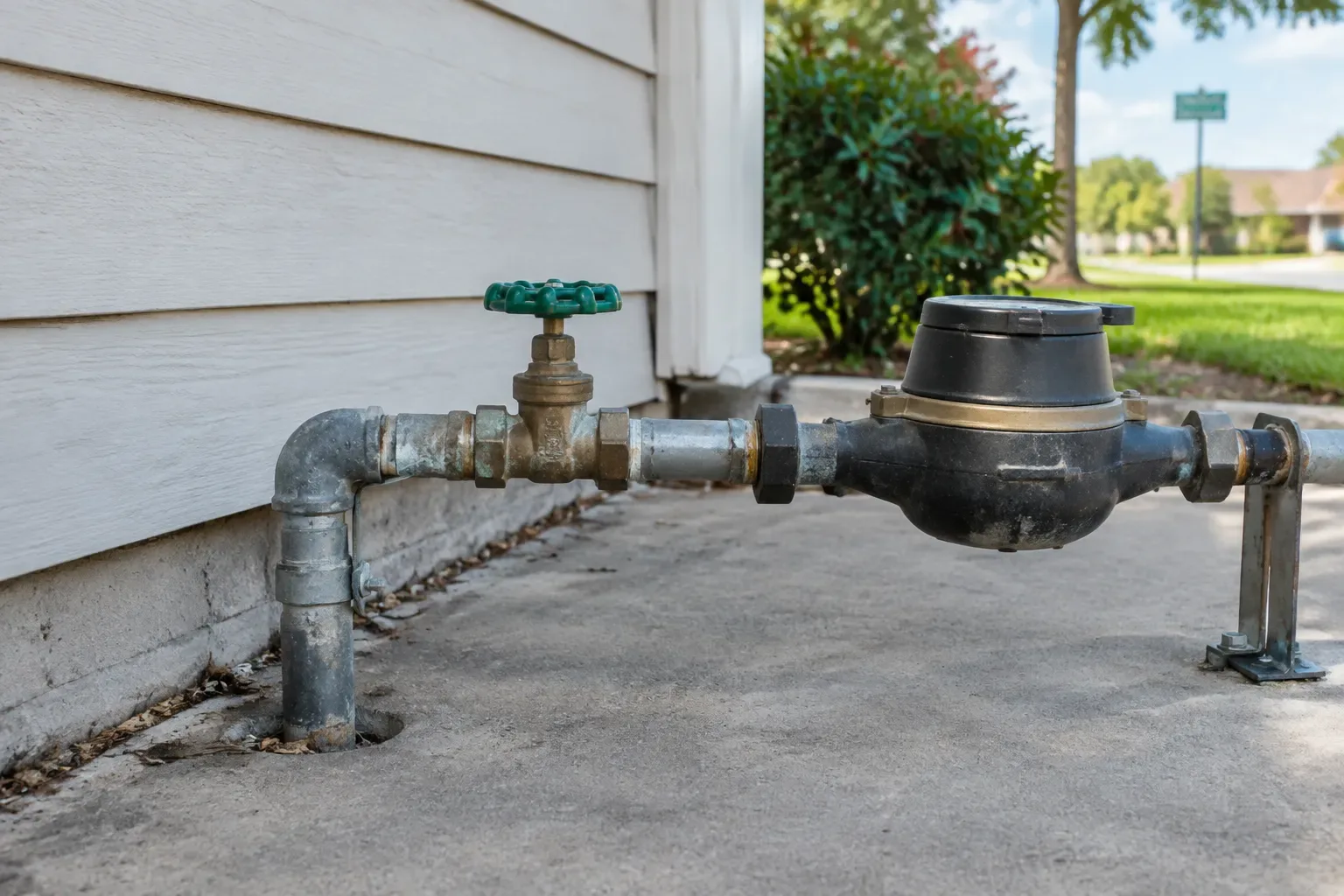
- Confirm that accessible fixture stop valves and the main shutoff appear fully open. Check whether a filter, softener, or other treatment unit may be restricting flow.
- With all fixtures off, observe the water meter for movement. Do not use water while checking.
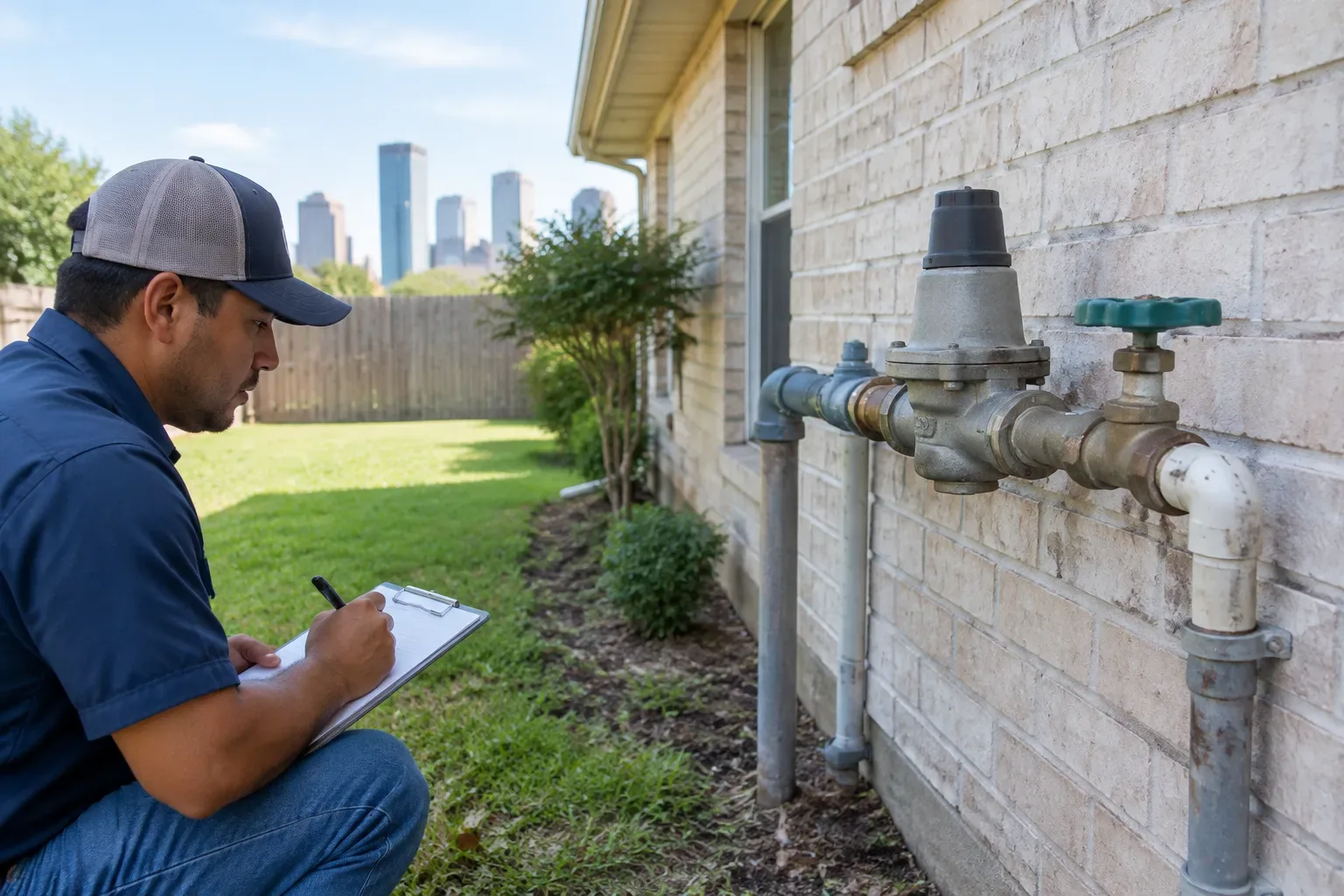
- Attach a pressure gauge to a suitable exterior hose bib or test point. Record the reading with no water running, then record how it changes while another fixture runs.
- Write down which fixtures were tested, whether hot and cold differed, and any moisture or meter evidence. This gives a plumber a useful starting record.
A pressure gauge is a clue, not a verdict. A normal no-flow reading followed by a substantial drop during use can point toward a restriction, but determining its location requires testing on the appropriate sides of valves, regulators, and accessible supply components.
When is the utility side more likely than the home's plumbing?
The distinction is important because the property owner and water utility may be responsible for different parts of the system. If low pressure appears at multiple nearby properties, or testing suggests the problem is present before the home's private plumbing components, contact the applicable local utility to report and verify the condition.
If pressure is acceptable where water enters the property but poor after a regulator, filter, shutoff, or interior pipe section, the restriction is more likely on the private side. Public drinking-water systems and a property's internal plumbing are separate systems with different responsibilities, as reflected in the EPA's overview of drinking-water system requirements. A plumber can document test locations and findings, but the utility must confirm conditions on its own side.
When does low water pressure need prompt plumbing help?
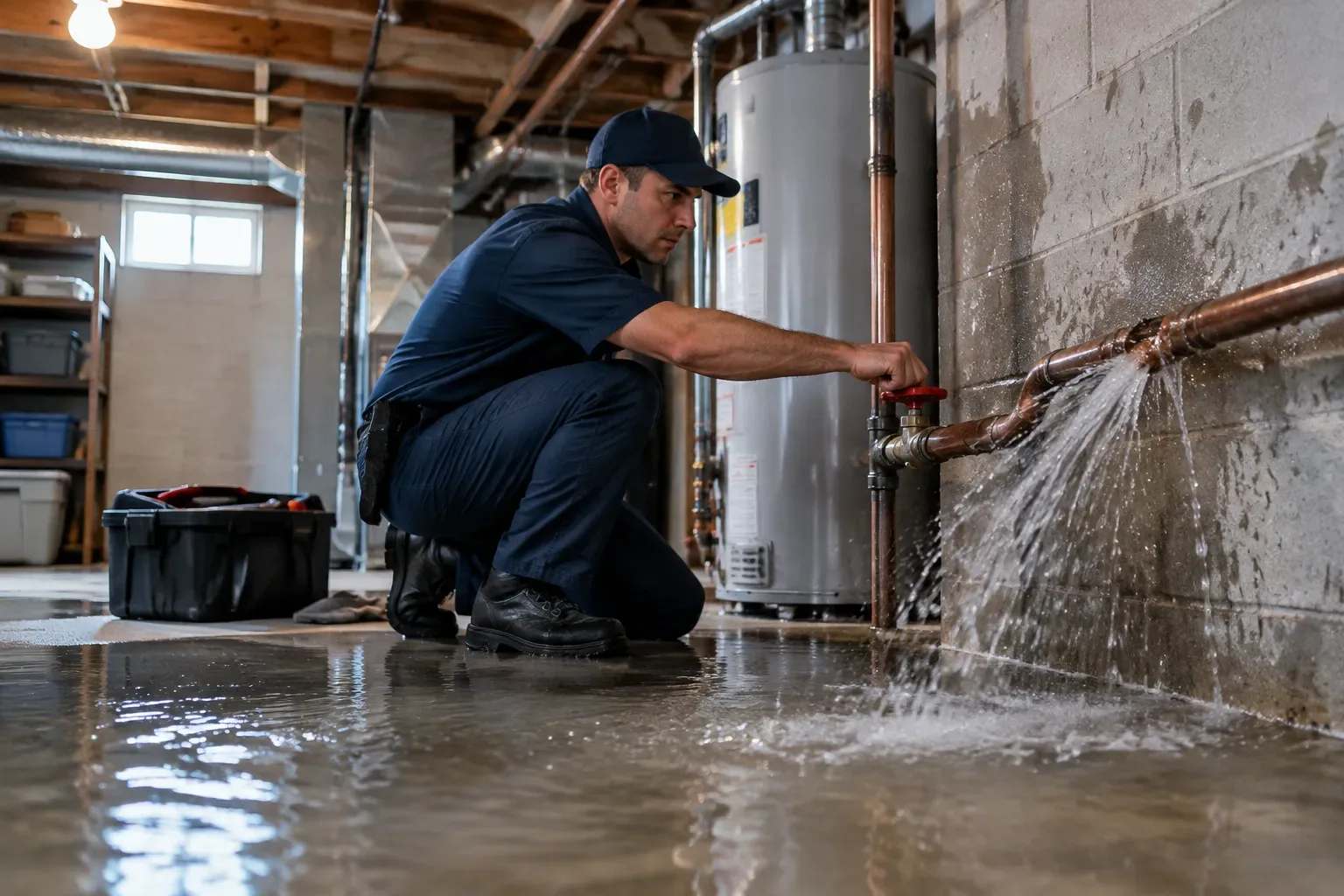
Seek prompt help if the pressure drops suddenly, water is actively escaping, flooring or the slab area becomes wet, or the meter continues moving when no water is being used. Shut off the main water valve if it is safe to do so and if an active leak is suspected. For an urgent active leak or sudden loss of supply, emergency plumbing service may be appropriate.
A slow, stable decline without moisture or meter movement is usually less urgent, but it should still be investigated before it becomes a larger access or water-damage problem. Problems outside plumbing scope, including a confirmed utility-side condition, may require action from the utility or another qualified professional.
Should you repair one section or consider repiping?
The right scope depends on what testing finds. Replacing a single branch can make sense when a restriction is isolated and accessible. Repairing a valve, filter, or pressure regulator can be a targeted solution when that component is demonstrably at fault.
Whole-house repiping is not automatically the answer for an older home. It becomes a more realistic option when accessible pipe shows widespread deterioration, multiple areas have recurring restrictions or leaks, and testing indicates the problem is distributed through aging piping. The common mistake is approving the largest repair before the diagnosis identifies whether the restriction is local, system-wide, or outside the property.
Before approving work, ask for the documented test locations, static and flowing observations, identified pipe material where accessible, leak evidence if any, and the reasoning behind each repair option.
Ready to discuss your project?
If low pressure is affecting your Willowbend-area slab home, request an inspection that documents where the restriction or leak evidence is found.
FAQ
Why is my water pressure low at every faucet in my older Houston home?
Low flow at every fixture points to a shared upstream issue more often than a single clogged faucet. Possible causes include a partly closed main shutoff, a failing pressure regulator, a clogged whole-house filter, a damaged service line, a concealed leak, or restricted older piping. A plumber should compare conditions at an exterior test point and inside the home to identify where performance changes. The home’s age alone cannot confirm the cause.
Can galvanized pipes cause low water pressure?
Yes. Galvanized steel can develop internal corrosion and mineral scale that narrows the pipe’s effective diameter. That restriction can reduce flow at several fixtures, particularly when more than one fixture is operating. Still, exposed pipe should be identified before assigning blame to galvanized lines, because many older homes have partial replacements or mixed materials. The remedy may range from a localized repair to a planned repipe, depending on the extent of restriction.
Why is the shower weak but the bathroom sink seems normal?
A shower-only issue is often closer to the fixture. A clogged showerhead, debris in the shower valve, a partly closed local stop, or a restriction in that branch can all reduce shower flow. Remove and clean the showerhead first if it is safe to do so. If the flow remains weak after that step, a plumber can determine whether the limitation is inside the valve or farther back in the branch line.
Can a hidden leak make my water pressure drop?
It can, especially if the leak is significant enough to divert water from normal fixture use. Look for meter movement while water is off, new moisture, warm slab areas, or unexplained usage. These signs require investigation, not assumptions. For more detail on why even a small leak can matter, see how a small water leak can cause major damage. A pressure test and leak-detection process can help establish whether a concealed line is involved.
Why is my hot water pressure lower than my cold water pressure?
A hot-only problem generally points away from the incoming municipal supply and toward the water heater or hot-water distribution system. A shutoff valve, connector, heater outlet, mixing component, or restricted hot-water pipe may be limiting flow. Comparing hot and cold flow at more than one fixture gives useful clues. A technician evaluating water heater repair and installation can check the heater-side components as part of the diagnosis.
Is low water pressure an emergency?
Not always. A gradual, stable reduction with no leak signs can usually be scheduled for diagnosis. It becomes more urgent when pressure falls suddenly, water is visibly escaping, flooring is getting wet, the meter runs with all fixtures off, or the home loses usable water supply. If you are unsure how serious the situation is, this guide on when emergency plumbing service is needed can help you assess the warning signs.