When Should Westwood Homes Near S Braeswood Get a Sewer Camera?
A sewer camera inspection is most useful when a drain problem keeps returning, affects more than one fixture, causes a backup, or needs to be understood before an expensive repair or property purchase. For homes near Westwood and S Braeswood, a camera can show the accessible interior of the private sewer line so a plumber can distinguish a simple obstruction from roots, a shifted joint, standing water, or pipe damage.
One isolated sink clog that clears and stays clear may only need fixture-level service. Repeated whole-home drainage symptoms are different. They are a reason to investigate the building sewer before paying for repeated cleaning or approving a major replacement.
Quick Answer
Get a sewer camera inspection when you have recurring clogs or backups, several slow drains at once, toilet gurgling, sewage odors, unexplained wet areas, or a drain-cleaning result that does not last. It is also a practical step before sewer excavation, line replacement, a major remodel, or buying a home with older or undocumented sewer piping.
A camera does not prove the cause of every backup or automatically mean the entire line needs replacement. It provides visual evidence that helps match the next step to the actual condition found.
For general plumbing help in the area, One Plumbing Expert Houston provides residential and commercial plumbing services in Houston and nearby communities.
Which Drain Symptoms Point to a Sewer-Line Problem?
The pattern matters more than any one symptom. A slow bathroom sink, for example, can be a local buildup near that fixture. A toilet that gurgles while a nearby tub drains suggests that water and air may not be moving normally through a shared branch or the building sewer. Neither symptom alone confirms a damaged sewer line.
A camera is worth considering when you notice:
- Recurring clogs after they have been cleared.
- Backups or slow drainage at more than one fixture.
- Toilet gurgling, bubbling, or repeated toilet stoppages.
- Sewage odor inside or outside the property.
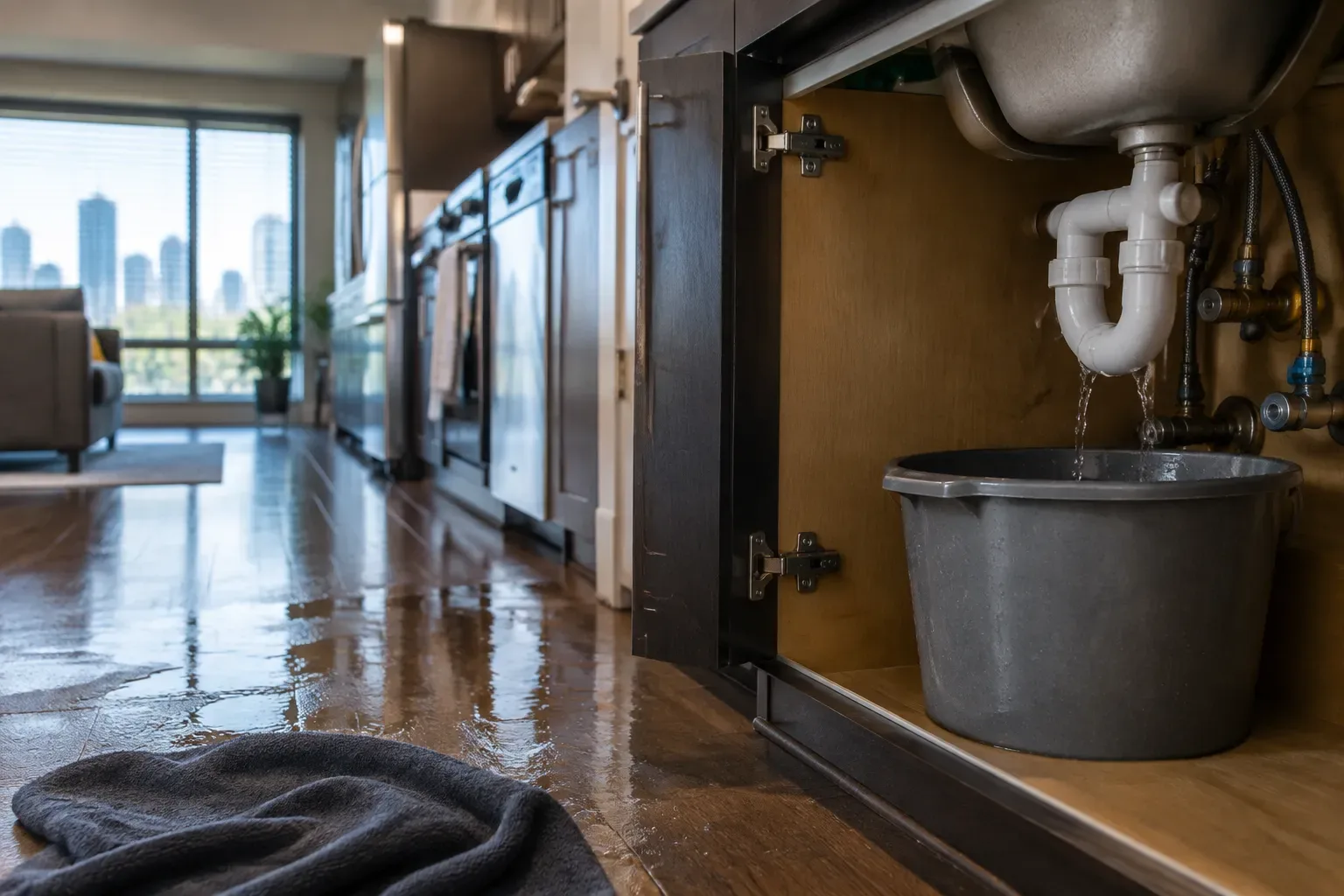
- Wastewater coming up through a lower drain, tub, or shower.
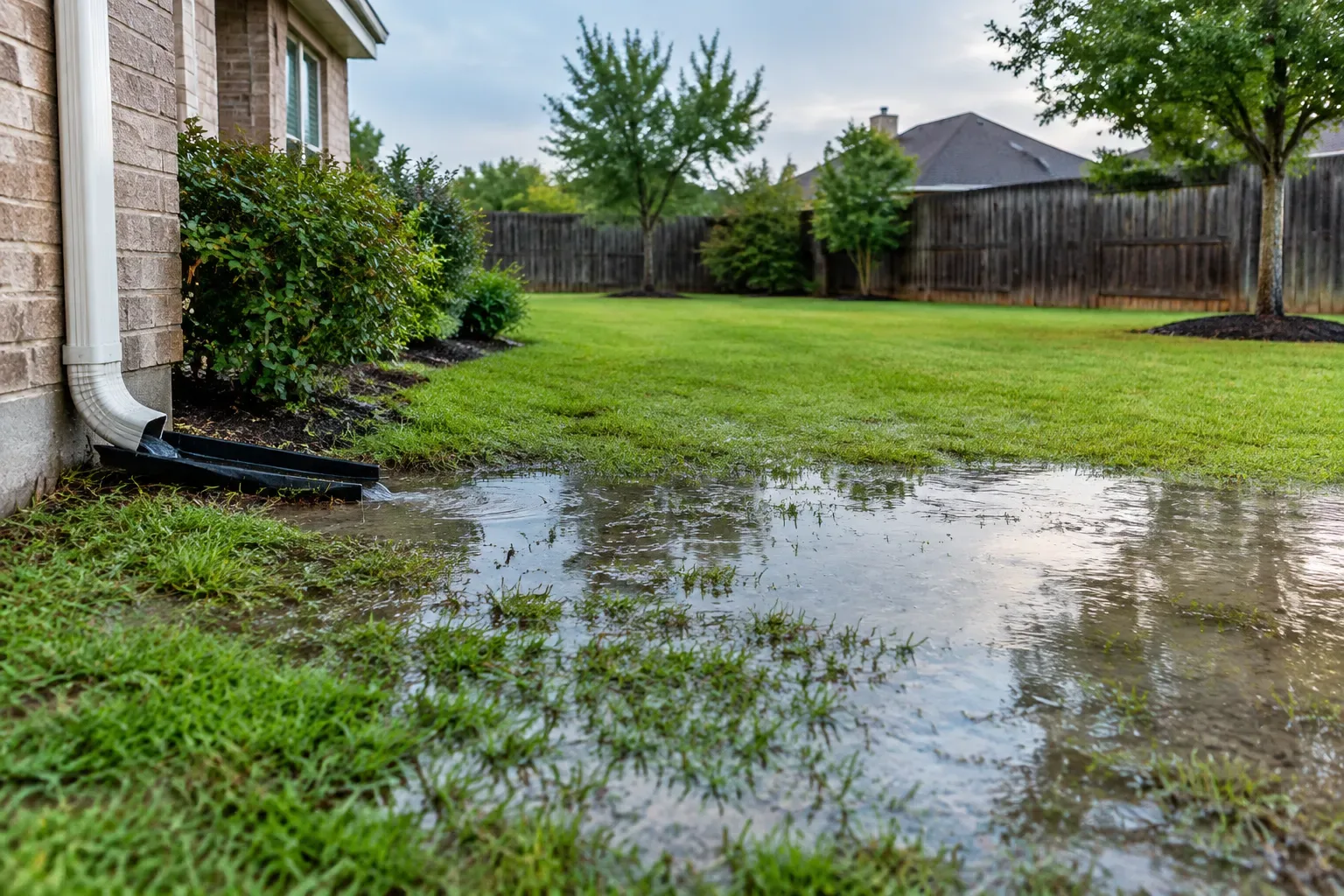
- A wet or unusually soft outdoor area with no obvious irrigation explanation.
- A problem that returns after professional drain cleaning.
Multiple slow fixtures are an observable symptom. Possible causes include a blockage, root intrusion, an offset joint, a low section of pipe holding water, or a condition outside the private line. A professional finding comes only after inspection, cleaning, or other appropriate testing.
Why Can Buried Sewer Conditions Change Around S Braeswood?
A buried pipe can be affected by conditions that are not visible from inside the home. Houston-area clay-rich, moisture-sensitive soils can move as moisture levels change. That movement may contribute to separated or offset joints, making a camera useful when recurring symptoms could be caused by a buried-line issue rather than an indoor clog.
Mature landscaping can add another possibility. Roots may enter existing joints or cracks, then catch debris and create repeat obstructions. The camera helps distinguish visible root intrusion from grease, debris, or a structural defect, which matters because each condition can call for a different response.
Homes with older or undocumented sewer piping are another good reason to inspect before major work. A scope can reveal accessible pipe material, connection condition, visible offsets, standing-water areas, roots, or deterioration. It cannot establish soil conditions, exact exterior pipe dimensions, or ownership responsibility by itself.
What Can a Sewer Camera Actually Show?
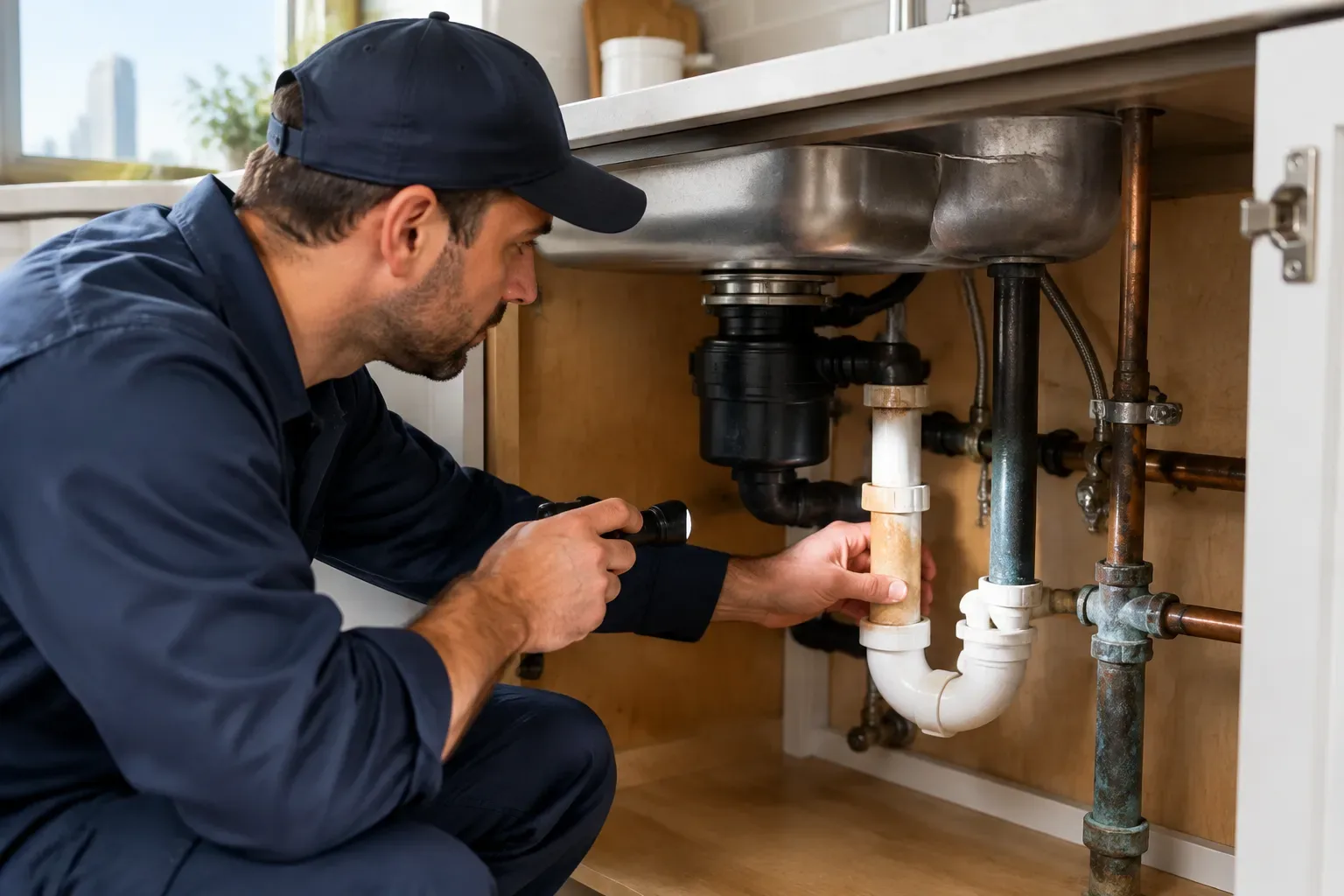
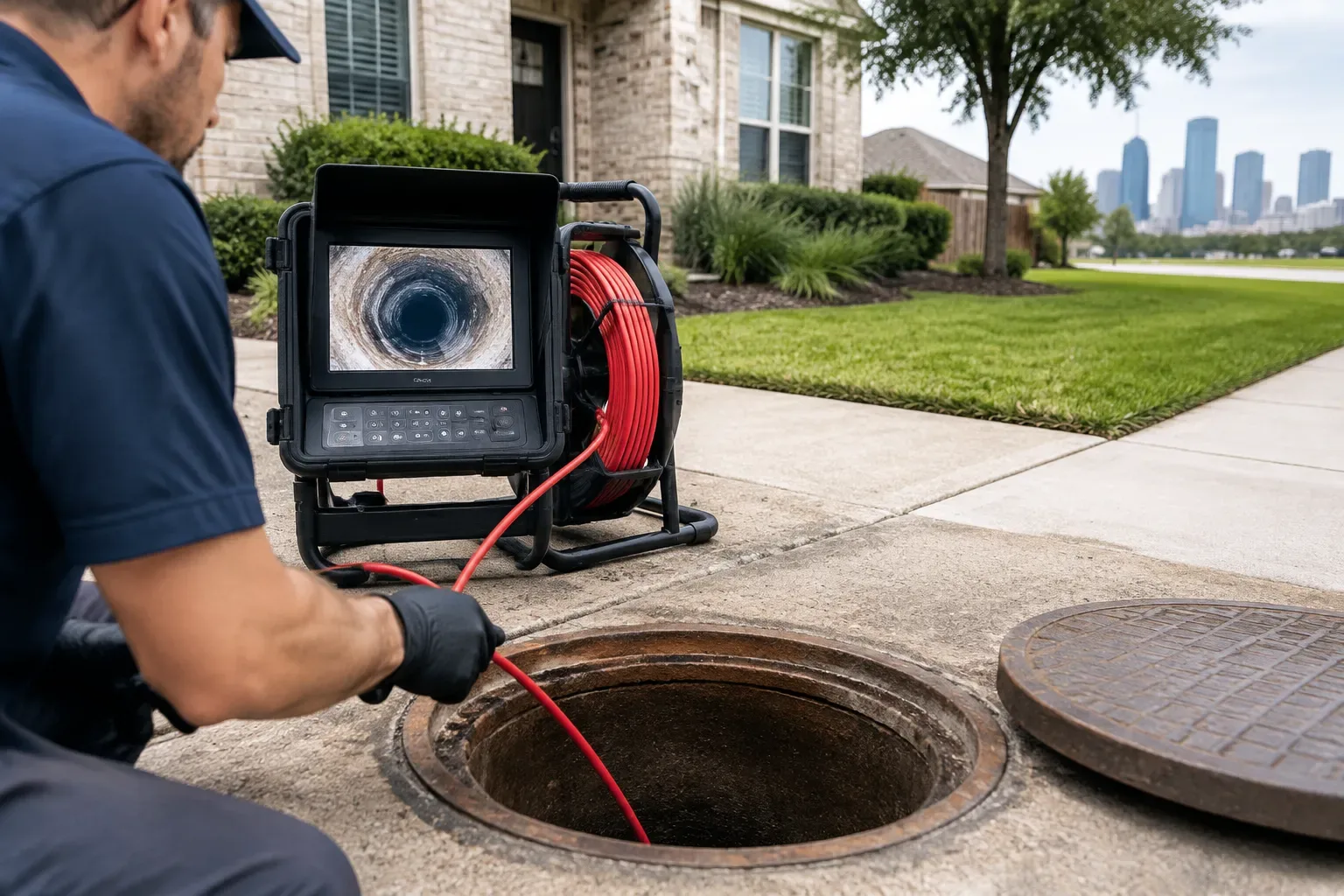
A sewer camera is fed through an existing cleanout or another suitable access point into accessible drain piping. It records the inside surface of the line as it travels toward the connection point. Access and how much line can be viewed depend on the property’s actual layout, cleanout condition, and whether the camera can pass through the line.
The most useful inspection documents notable findings with direction and approximate distance from the access point. Industry condition-assessment programs such as NASSCO’s Pipeline Assessment Certification Program support systematic documentation of observed pipeline defects rather than a vague statement that a pipe simply “looks bad.”
Root intrusion
Roots may be visible at joints or cracks and can trap paper, grease, and other debris. Cleaning may restore flow, but the footage helps determine whether there is also a pipe opening that needs further attention.
Offset or separated joint
Pipe sections that no longer align can catch debris and restrict flow. The next step may range from maintenance to a localized repair, depending on the severity and location.
Belly or standing water
A belly is a low area where water remains in the pipe instead of draining fully. A camera can show standing water, though additional evaluation may be needed to determine the pipe’s outside grade and repair options.
Crack, corrosion, or collapse
Visible damage can narrow or block the passage. If the camera cannot pass, cleaning or a different access strategy may be needed before the full accessible line can be evaluated.
When Is Drain Cleaning Enough, and When Is a Camera Better?
Drain cleaning and camera inspection solve different questions. Cleaning aims to restore flow by removing an obstruction. A camera aims to show why the obstruction happened or whether the pipe has a visible condition that makes recurrence more likely.
| Situation | Sensible first step | Why a camera may or may not follow |
|---|---|---|
| One isolated sink or tub clog that clears and stays clear | Fixture-level service | A camera may not be necessary if there are no repeat or multi-fixture symptoms. |
| Recurring blockage in the same drain | Cleaning and evaluation | Footage can help identify roots, pipe damage, or a recurring obstruction beyond the fixture. |
| Several slow fixtures or repeated backups | Investigate the building sewer | A camera can help distinguish a line condition from repeated indoor clogs. |
| Camera cannot pass due to blockage | Clear the accessible obstruction first | A follow-up inspection may be needed to view the blocked section. |
| Suspected break before excavation or replacement | Camera inspection and possible locating | Visual findings can guide whether repair is localized or more extensive. |
Professional drain cleaning in Houston can be the right response when the issue is a removable blockage. The common mistake is treating a returning sewer symptom the same way every time without documenting what is happening farther down the line.
What Should You Ask for After the Inspection?
A useful report lets you make a repair decision based on evidence rather than a broad recommendation. Ask whether the inspection can provide video or still images, a written description of visible conditions, the direction and approximate distance to each finding, and a clear statement of how much accessible line was viewed.
Also ask whether a locator is appropriate. Locating is separate from camera work: after footage identifies a likely defect, a locator can help estimate its surface position before digging or planning another repair method. If visible findings point to a private-line issue, review the available sewer line service options in relation to the actual footage and access conditions.
The home’s private sewer lateral generally carries wastewater from the building toward the public wastewater main. Responsibility and repair options can depend on the precise defect location, so a camera alone should not be treated as a final ownership determination.
Should You Get a Sewer Scope Before Buying or Remodeling?
For an older home or one with undocumented sewer work, a pre-purchase scope can reveal conditions that a normal walk-through cannot. It is particularly useful when the home has mature trees, recurring drainage history, prior sewer repairs, or limited information about pipe material and age.
Before scheduling, ask whether there is a usable cleanout, whether the inspector expects to view the line from the building toward the connection point, and what happens if debris prevents the camera from passing. For a remodel, footage can help avoid designing around an unknown line condition, especially before hardscape or landscaping is disturbed.
A scope does not replace the broader property inspection, and it may not view every inaccessible section. Still, it can provide a clearer basis for deciding whether a localized repair, cleaning, further testing, or no sewer work is appropriate.
What Happens When a Sewer Backup Is Active?
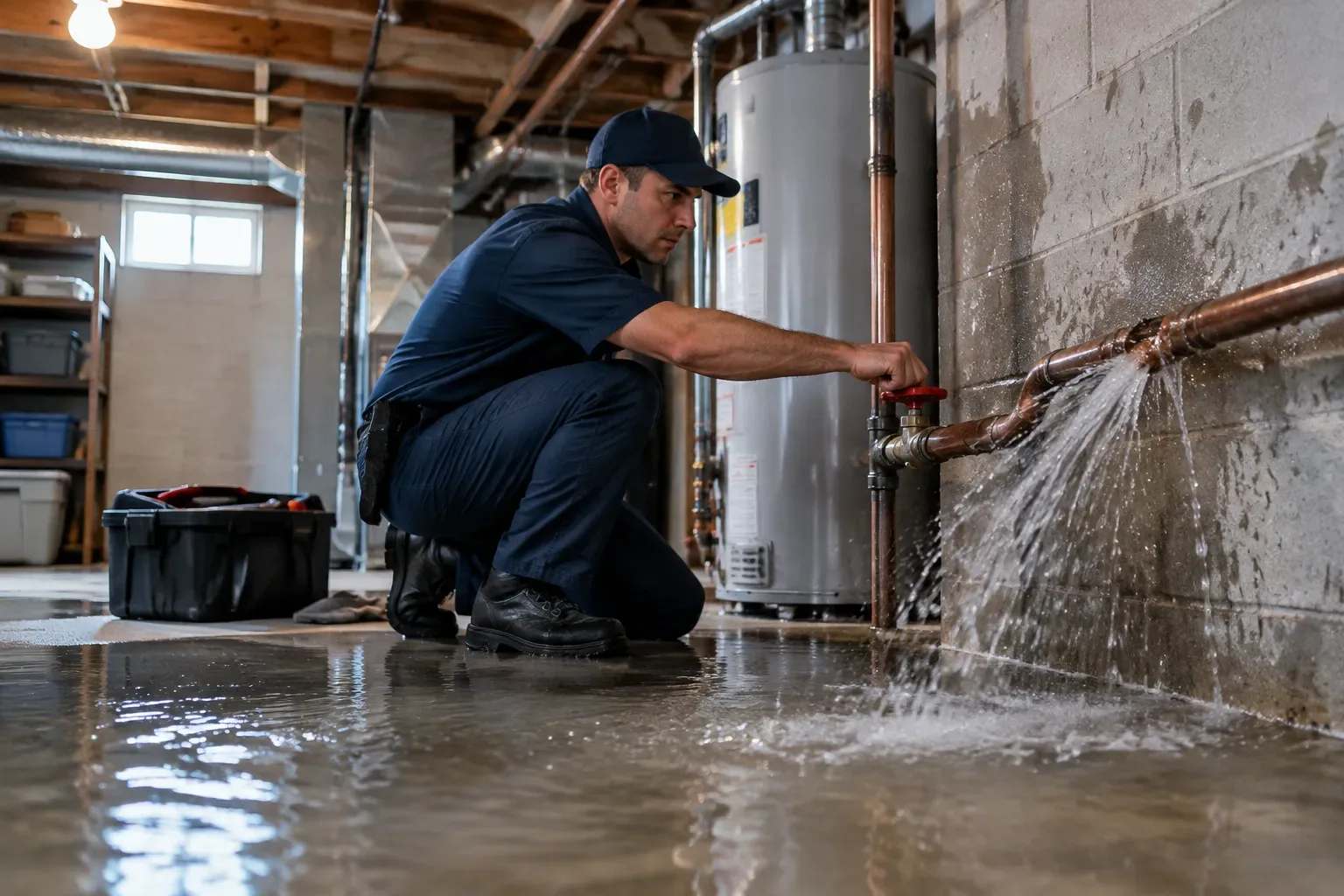
A sewage backup calls for prompt plumbing attention. Avoid running additional water into the drainage system, keep people and pets away from affected wastewater, and document what fixtures are involved. If the problem is actively overflowing or creating an urgent plumbing situation, review emergency plumbing options.
Once the immediate flow issue is controlled, a camera may help explain a recurring cause if the line is accessible and clear enough for the equipment to travel. In some cases, the right immediate action is clearing the blockage first. In others, the camera may show a visible defect that changes the repair discussion.
The Practical Takeaway
Do not approve full sewer replacement just because a drain has backed up more than once. Ask for an evidence-based evaluation of the accessible line, then choose cleaning, locating, a focused repair, further testing, or a larger project only if the findings support it. To discuss recurring sewer symptoms near Westwood and S Braeswood, you can contact One Plumbing Expert Houston.
Ready to discuss your project?
Discuss recurring sewer symptoms near Westwood and S Braeswood with a local plumbing professional before committing to a major repair.
FAQ
Do I need a sewer camera inspection for one clogged toilet?
Usually not immediately if it is a one-time toilet clog that clears and normal use resumes. A camera becomes more reasonable if the toilet repeatedly stops up, gurgles when other fixtures drain, or is joined by slow tubs, showers, or sinks. Those patterns suggest the issue may extend beyond the toilet itself, although inspection is needed to confirm where the restriction is.
Can a sewer camera find tree roots in a pipe?
Yes, roots entering through accessible joints, openings, or cracks can often be seen on camera. The footage may show whether roots are catching debris or restricting the opening. It cannot automatically tell you how far roots extend outside the pipe or whether every section is affected. If root-related blockage keeps returning, Houston sewer line services can help frame the next repair discussion.
Does a sewer camera inspection mean I need a new sewer line?
No. A camera may support simple cleaning, monitoring, locating, a localized repair, or additional testing instead of replacement. Replacement may be considered if the accessible line has severe collapse, widespread deterioration, or another condition that cannot be reasonably addressed with a smaller repair. The footage, defect location, and ability to access the line should guide that decision.
Can a camera inspection explain a sewage smell in my house?
It may help if the odor is connected to a visible sewer-line blockage, break, or other accessible pipe condition. But odors can also come from fixture traps, vents, or other plumbing issues that a sewer camera does not diagnose. For other possible causes and practical checks, read why a house can smell like sewage.
What if the camera cannot get through the sewer line?
A camera may stop at a heavy blockage, standing water, sharp turn, damaged section, or inaccessible portion of piping. The next step could be clearing the line, using another access point, or evaluating the point where progress stopped. A complete inspection should not be assumed if the camera only viewed a short segment near the cleanout.
Should I get a sewer scope before buying an older Houston home?
It is a sensible due-diligence step for an older home or any property with unknown sewer history, mature landscaping, or prior drainage concerns. Ask what portion of the private lateral will be accessible, whether video or images will be provided, and how findings will be located. A scope adds information, but it does not replace the rest of a property inspection.
Is a sewer backup always an emergency?
An active wastewater overflow or backup that prevents normal use deserves prompt attention, especially if it is spreading into living areas. A slow drain without overflow may be less urgent, but recurring multi-fixture symptoms should not be ignored. See how to recognize an emergency plumbing situation for more guidance on deciding how quickly to seek help.