Why Does My House Smell Like Sewage?
That rotten egg odor isn't just unpleasant — it can be a warning sign of a serious plumbing problem. Here's exactly what causes it in Houston homes and what to do right now.
You walk into your bathroom, kitchen, or utility room and there it is — that unmistakable rotten egg smell that stops you in your tracks. A sewage odor inside your Houston home is never something to brush off or mask with an air freshener. It's your plumbing system telling you something is wrong, and in some cases, it's telling you something is urgently wrong.
The good news is that most sewage smells in Houston homes have a clear, fixable cause. The bad news is that ignoring them can lead to everything from mold growth and structural damage to genuine health hazards. This guide walks you through every possible cause, how to identify where the smell is coming from, what Houston-specific factors make this problem more common here, and exactly when you need to pick up the phone and call a plumber.
Is Sewer Gas Actually Dangerous?
Yes — and this is important to understand before anything else. Sewer gas is a mixture of gases produced by decomposing organic waste in your drain and sewer system. It contains hydrogen sulfide, methane, ammonia, and carbon dioxide, among other compounds. Here's what that means practically:
- Hydrogen sulfide — the "rotten egg" smell you're detecting. Even at low concentrations it causes headaches, nausea, and eye irritation. At higher concentrations it's acutely toxic and can cause loss of consciousness rapidly.
- Methane — odorless and highly flammable. In an enclosed space with a significant sewer gas leak, methane creates a genuine explosion risk — particularly around water heaters, stoves, and HVAC equipment.
- Ammonia — irritates the respiratory tract, especially dangerous for children, elderly residents, and anyone with asthma or breathing conditions.
If the sewage smell in your Houston home is strong, sudden, and present throughout multiple rooms — do not try to find the source yourself. Open windows, leave the home, and call our emergency line at (346) 489-5622. Do not light matches, operate electrical switches, or use appliances until the source is identified.
7 Most Common Causes of a Sewage Smell in Houston Homes
Most sewage odor problems inside Houston homes trace back to one of these seven causes. Some are quick DIY fixes. Others require a licensed plumber. Knowing which you're dealing with is the first step.
Dry P-Trap
The curved pipe under every drain holds a small amount of water that acts as a seal against sewer gas. If a sink, shower, or floor drain isn't used regularly — common in guest bathrooms across Houston homes — that water evaporates and the seal disappears.
Cracked or Broken Sewer Line
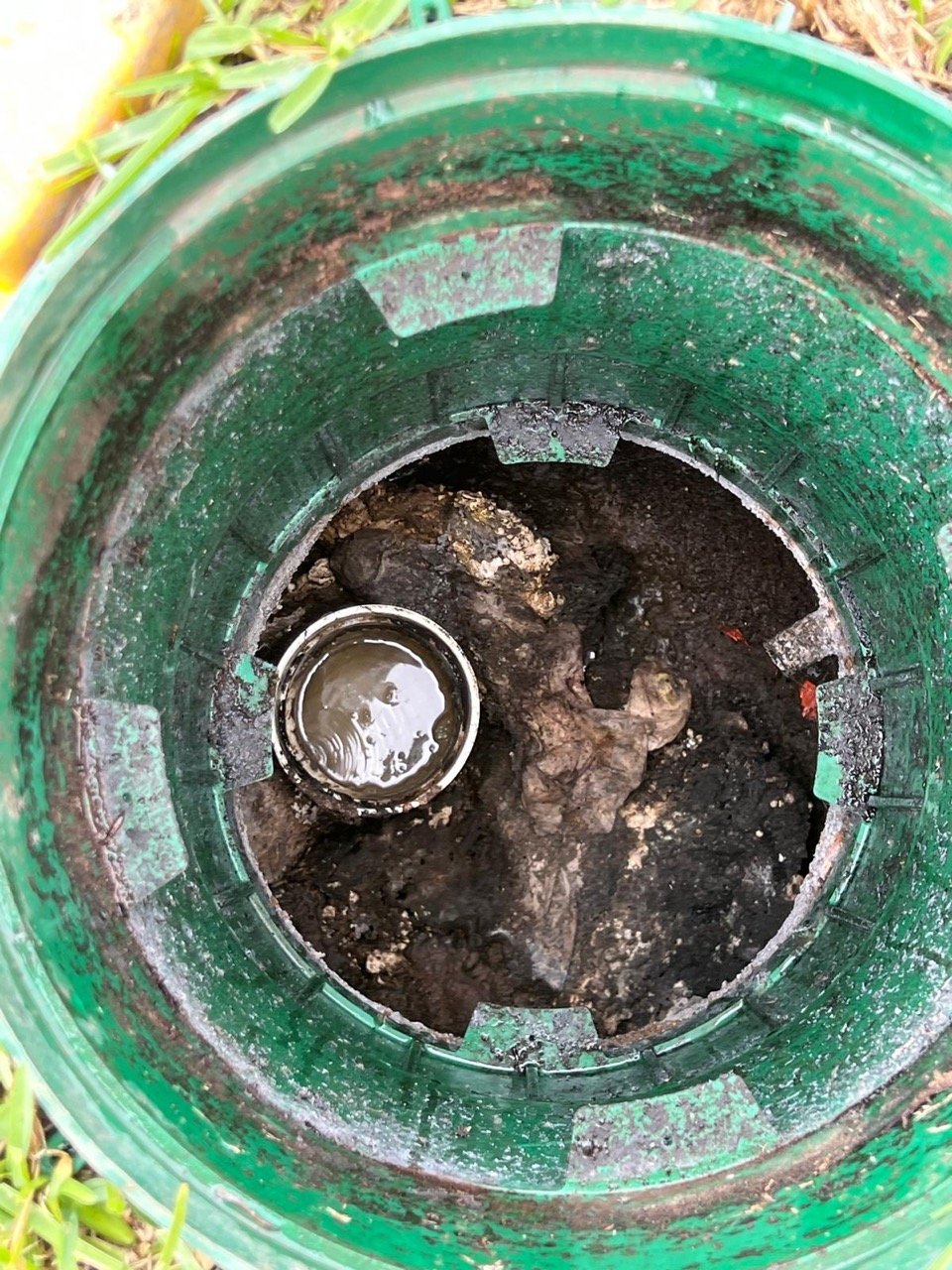
A cracked sewer line under your slab or yard allows sewer gas to seep directly into your home through foundation gaps and floor penetrations. Extremely common in older Houston neighborhoods where cast iron lines have deteriorated over decades.
Blocked Sewer Vent Pipe
Every plumbing system has a vent pipe that runs through the roof to release sewer gas outside. When this pipe gets blocked — by debris, leaves, bird nests, or storm damage — gas is pushed back down into the home through the drains instead.
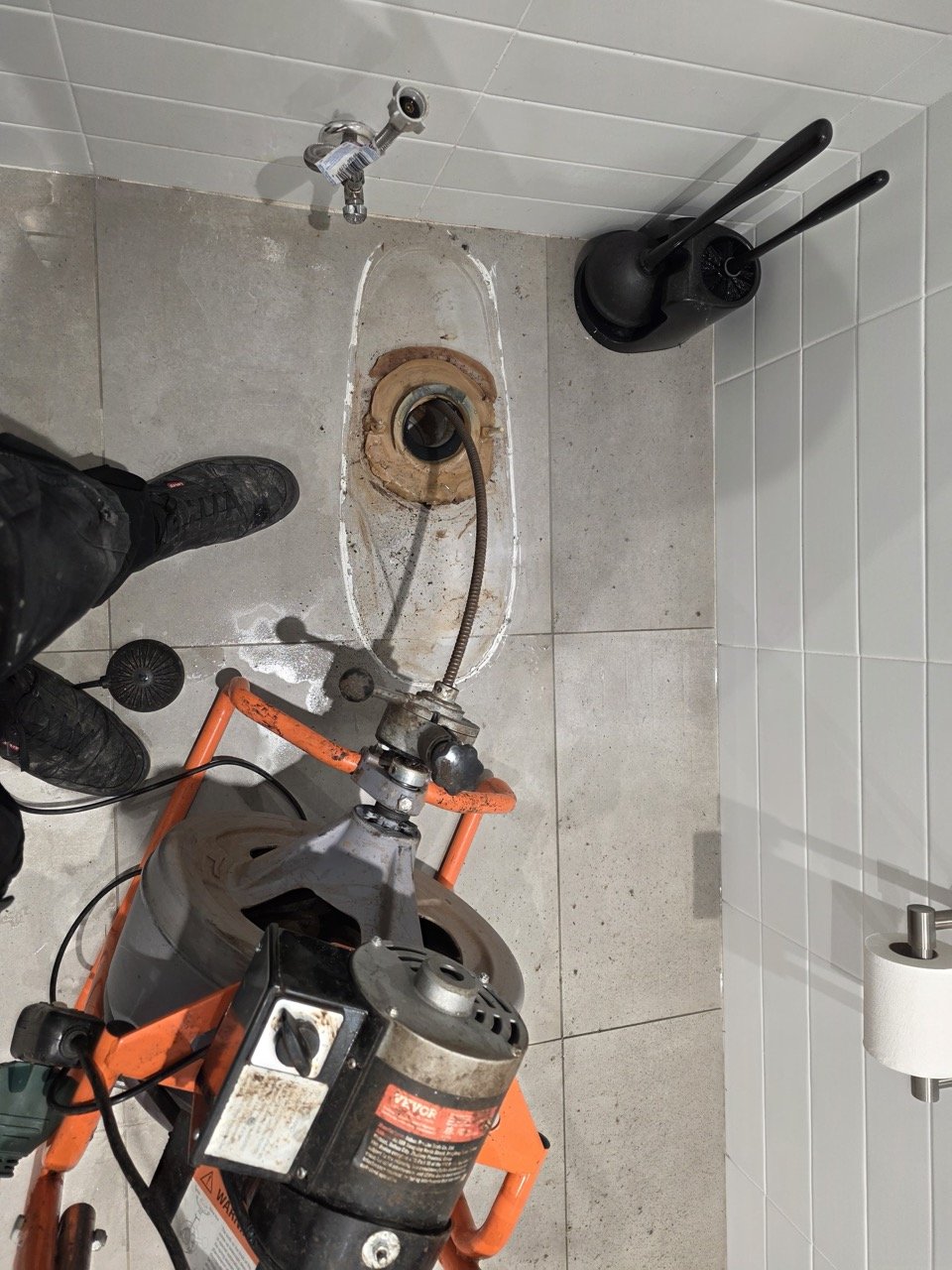
Failed Wax Ring on Toilet
The wax ring creates a seal between your toilet and the drain flange in the floor. When it deteriorates or a toilet rocks loose over time, that seal breaks and sewer gas escapes at floor level — often noticed first in the bathroom as a persistent foul odor.
Sewer Line Clog or Buildup
Heavy grease and organic buildup inside drain lines creates its own odor as it decomposes. In Houston's hard water environment, scale and grease combine into stubborn deposits that trap waste and produce sulfur compounds inside your pipes.
Loose or Damaged Drain Connections
Pipe joints and drain connections inside walls or under slabs can work loose over time — particularly in Houston slab homes where soil movement and thermal expansion constantly stress the plumbing system. A loose connection leaks both water and gas.
Municipal Sewer Backup After Rain
During heavy Houston storms, the municipal sewer system can become overwhelmed, pushing sewer gas — and sometimes sewage itself — back up through floor drains and low-lying fixtures. This is a recurring issue in flood-prone Houston neighborhoods like Meyerland, Lawndale, and Kashmere Gardens.
Room-by-Room: Where Is the Smell Coming From?
The location of the sewage smell inside your home is one of the best clues to its source. Here's what each location typically points to:
| Where You Smell It | Most Likely Cause | Urgency Level |
|---|---|---|
| Bathroom (near toilet) | Failed wax ring, dry toilet P-trap | Moderate — fix soon |
| Bathroom (near shower/tub) | Dry P-trap in shower drain | Low — often DIY fix |
| Kitchen sink area | Grease buildup, dry P-trap, loose drain connection | Moderate |
| Laundry room / utility room | Dry floor drain P-trap, loose washer drain hose | Low to moderate |
| Basement or under slab | Cracked sewer line, deteriorating cast iron drain | High — call a plumber |
| Entire house or multiple rooms | Blocked vent pipe, major sewer line crack, sewer backup | High — call immediately |
| Only after heavy rain | Municipal sewer overflow pushing gas back through drains | Moderate — inspect sewer line |
| Outside near foundation | Cracked sewer line under yard or slab | High — camera inspection needed |
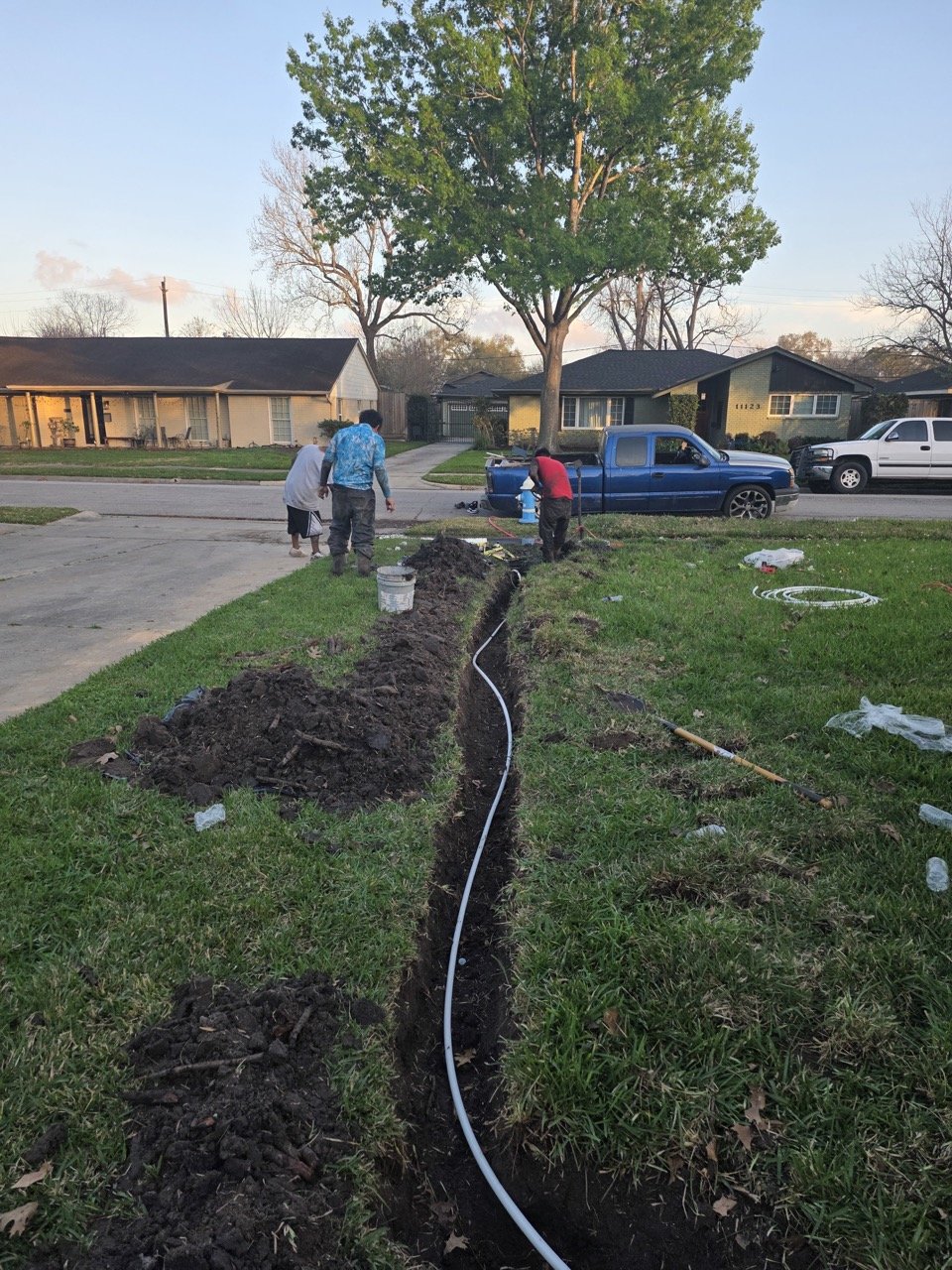
What To Do Right Now — Step by Step
Before calling a plumber, there are a few things you can check and fix yourself. Start here and work through the steps in order:
Run Water Into Every Drain in the House
Go room by room and run every sink, shower, bathtub, and floor drain for 30 seconds. This refills any dry P-traps that may have evaporated — particularly in guest bathrooms, laundry rooms, and utility areas that don't see regular use. This one step resolves the problem in many Houston homes within minutes.
Check Every Toilet for Movement
Sit or press firmly on each toilet and check whether it rocks or shifts at the base. Any movement means the wax ring seal is compromised and sewer gas is escaping at floor level. A rocking toilet needs the wax ring replaced — this is a straightforward repair for any licensed Houston plumber and should not be delayed.
Check Under Every Sink for Visible Leaks or Gaps
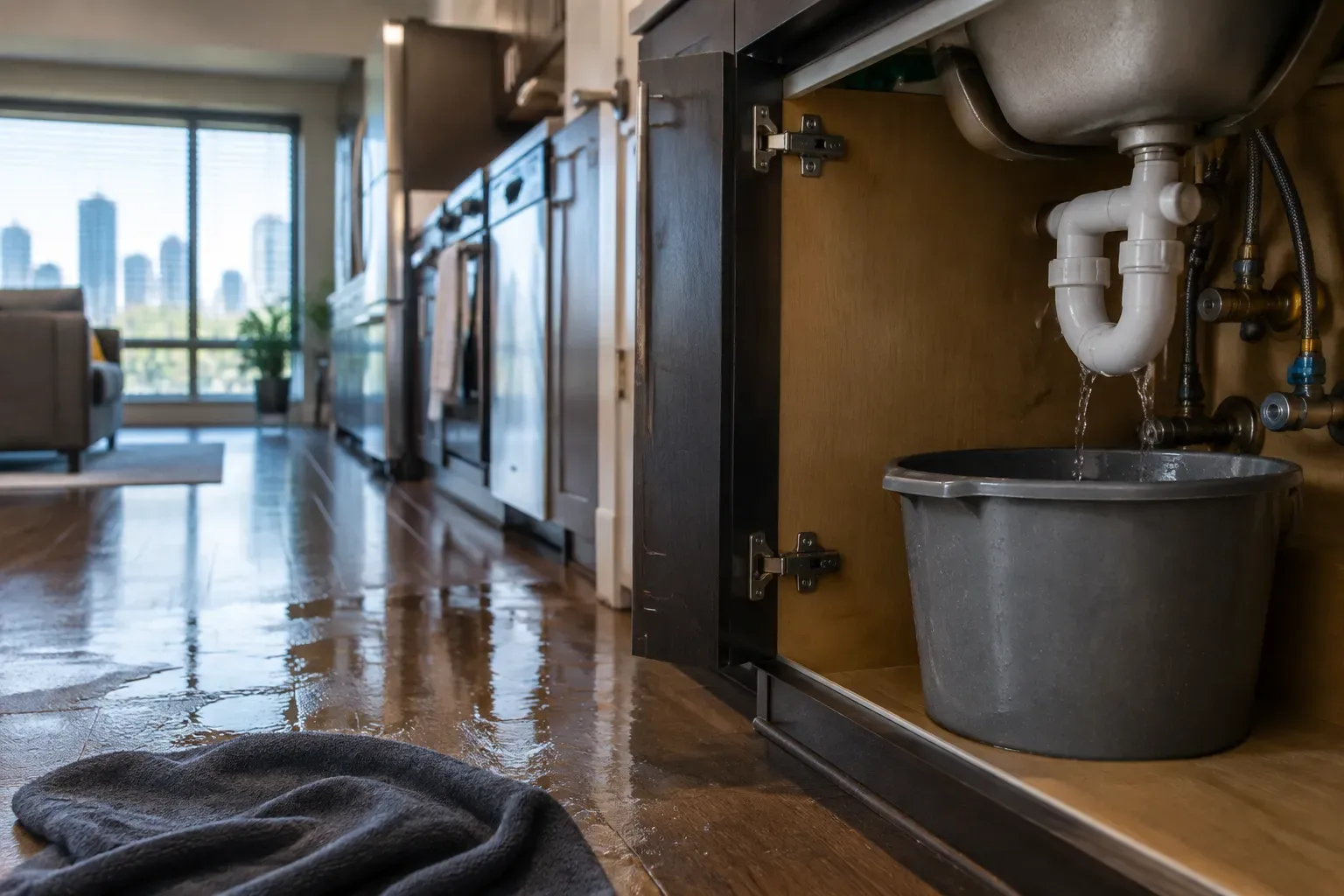
Open cabinet doors under all sinks and look at the drain connections. A loose slip joint, a gap where the drain enters the wall, or visible moisture are all signs that sewer gas has a path into your home. Hardware store plumber's putty or pipe tape can temporarily seal small gaps while you wait for a plumber.
Ventilate the Home While You Investigate
Open windows and exterior doors to let fresh air in and reduce the concentration of any sewer gas already present. Do not use candles or air fresheners to mask the smell — the underlying source still needs to be found and fixed regardless of what you can or can't smell.
If the Smell Persists — Call a Plumber
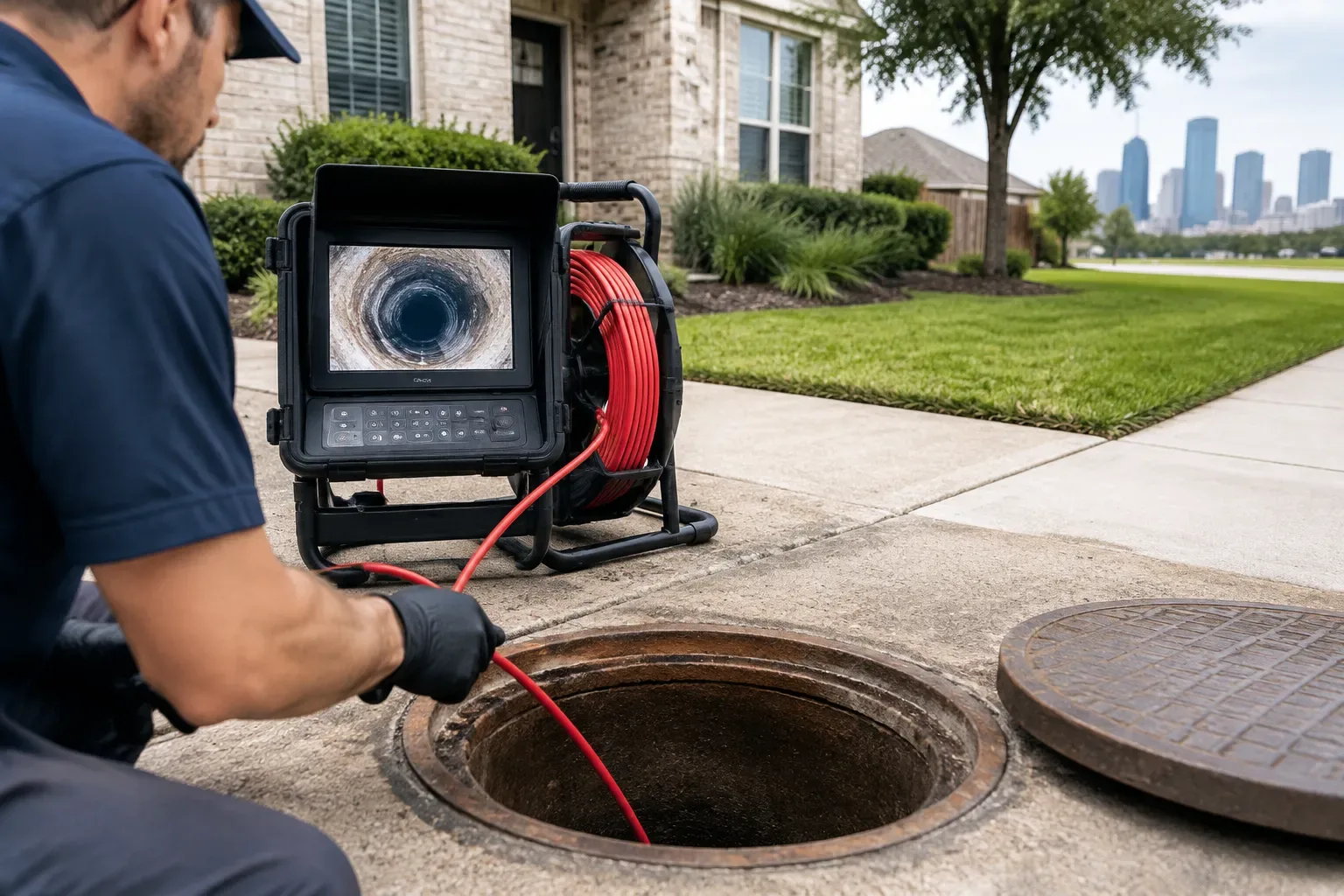
If running water into all drains and checking the toilets doesn't resolve the smell within a few hours, the cause is deeper in your plumbing system. A sewer line camera inspection is the fastest and most accurate way to identify exactly where the problem is — whether it's a cracked line, a blocked vent, or a drain connection that's worked loose under your slab.
Sewage Smell in Your Houston Home?
Don't wait on this one. Our team diagnoses and fixes sewage smell problems across all of Houston — same-day service available. Call now for upfront pricing and honest answers.
Houston-Specific Causes You Need to Know
A few causes of sewage smells are particularly common in Houston due to the city's unique combination of geology, infrastructure age, and climate. If you live in Houston, these deserve specific attention.
Shifting Clay Soil Cracks Sewer Lines Under Slabs
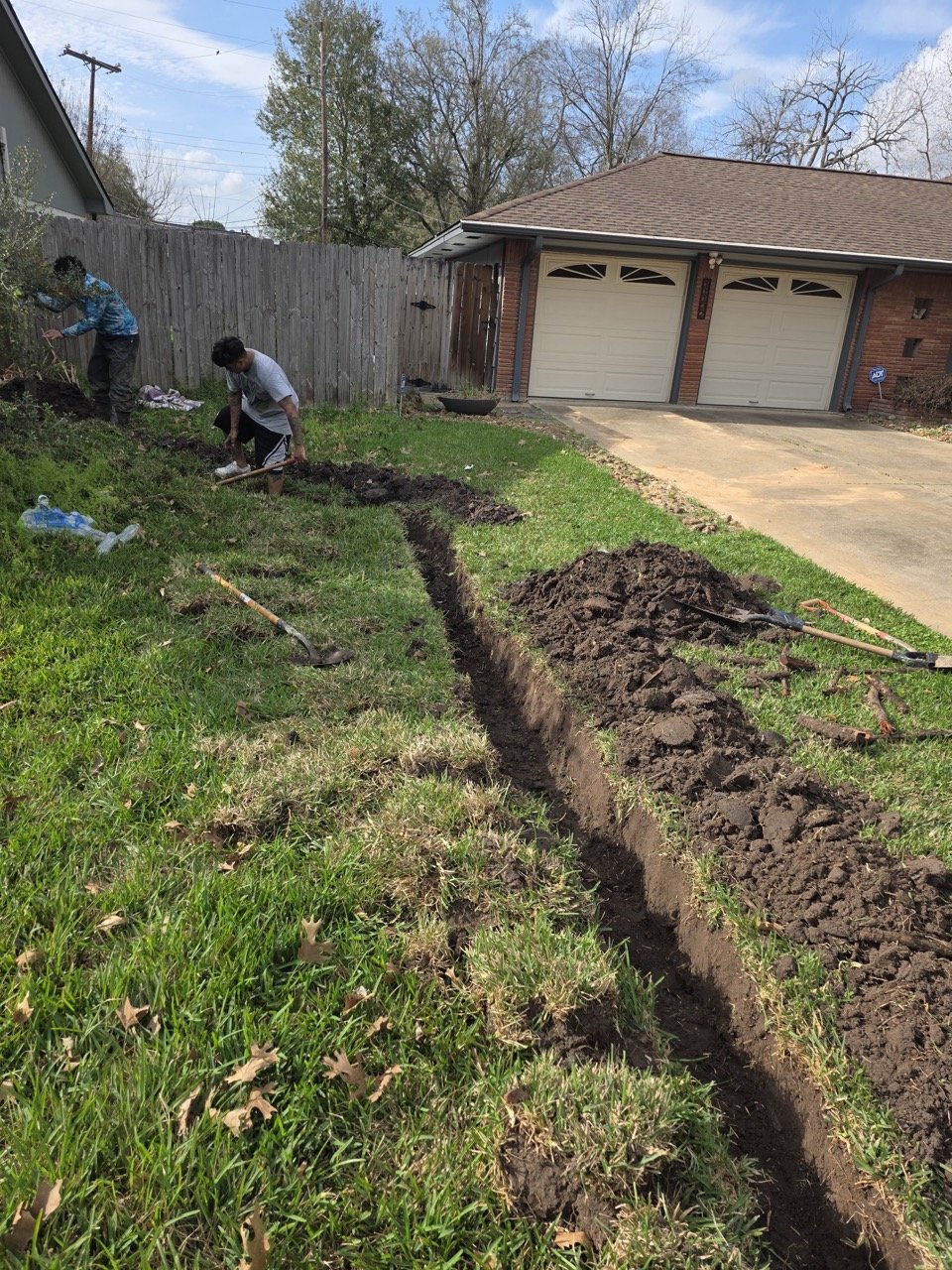
Houston sits on expansive clay soil that swells when wet and shrinks when dry — sometimes dramatically. This constant movement puts enormous stress on sewer lines running beneath slab foundations. Over time, this causes cracks, separations, and joint failures in the sewer line that allow both sewage and sewer gas to escape directly into the surrounding soil — and from there into your home through foundation gaps and utility penetrations. This is especially common in neighborhoods like Meyerland, Westbury, and Willowbend where the clay content is particularly high.
Older Cast Iron Drain Lines in Houston Homes Are Deteriorating
Homes built before the mid-1980s in neighborhoods like the Heights, Montrose, Garden Oaks, and Oak Forest typically have original cast iron drain lines. Cast iron has a lifespan of roughly 50–75 years before significant corrosion sets in. Many of these lines are now at or past that point — corroding from the inside out, developing pinhole leaks and cracks that allow sewer gas to enter wall cavities and living spaces. If your home is over 40 years old and you're getting recurring sewage smells, a drain line camera inspection is strongly recommended.
Houston's Heavy Rain Season Pushes Gas Back Through Drains
During and immediately after major rain events — particularly the kind of intense storms Houston gets from May through October — the municipal sewer system can be temporarily overwhelmed. When this happens, sewer gas (and sometimes sewage) is pushed backward through the system and up into homes through floor drains, shower drains, and any fixture where the P-trap has run dry. If you notice the smell specifically after heavy rain and it clears within 24–48 hours, this is likely the cause. If it persists, there's a crack or open connection in your own sewer line that the ground pressure is exploiting.
If your home has a floor drain in the garage or utility room — very common in Houston slab homes — that drain's P-trap can dry out completely during Houston's hot summer months. Pour a cup of water into it every few weeks during summer to maintain the gas seal. This takes 10 seconds and prevents one of the most common sources of sewage smell in Houston homes.
When a Sewage Smell Means Call a Plumber Immediately
Some sewage smell situations can wait until morning. Others cannot. Here's how to tell the difference:
Call a plumber immediately if:
- The smell is strong, sudden, and present throughout the entire home or multiple rooms at once
- You hear gurgling sounds from drains or toilets when other fixtures are used
- Multiple drains are slow or backing up at the same time
- Sewage or dark water is visible backing up into a tub, shower, or floor drain
- The smell is accompanied by headaches, nausea, or dizziness in household members
- You've already refilled all P-traps and the smell hasn't improved after several hours
- The smell is coming from outside the home near the foundation or yard
Any of these signs points to a problem deeper than a dry P-trap — a cracked sewer line, a blocked main vent, or a drain system failure that requires professional diagnosis. Our 24/7 emergency plumbing team responds across all of Houston, from Katy and Cypress to Pasadena and League City, with sewer camera equipment on every service vehicle.
If your sewer line is the source of the smell, see our full guide on Houston sewer line services — including what a camera inspection involves, how long repairs take, and what they cost. Also see our Houston plumbing repair cost guide to understand what to budget before you call.
Frequently Asked Questions — Sewage Smell in Houston Homes
Sewage Smell in Your Houston Home? We Can Help.
We diagnose and fix sewage smell problems across Houston — sewer camera inspections, slab leak detection, drain cleaning, and full sewer line repair. Same-day service available.
Sources: CDC — Hydrogen Sulfide Safety | City of Houston Public Works | Texas State Board of Plumbing Examiners | One Plumbing Expert Houston — Sewer Line Services | Houston Plumbing Repair Cost Guide