Can a Small Water Leak Cause Major Damage?
The short answer is yes — and in Houston's heat and humidity, it happens faster than most homeowners expect. Here's what a slow drip can actually cost you if you leave it alone.
A dripping pipe under the kitchen sink. A damp patch on the ceiling you've been meaning to look at. A water bill that crept up $30 last month. None of these feel like emergencies — and that's exactly why small water leaks end up causing some of the most expensive damage Houston plumbers are called in to fix.
The reality is that water finds its way into every gap, every cavity, and every material it touches. In Houston — where humidity is relentless, slab foundations trap moisture with nowhere to drain, and older homes have pipe materials that fail slowly rather than all at once — a small undetected leak doesn't stay small for long. This guide explains exactly what happens, how fast, and what you can do before a minor drip turns into a major bill.
How Fast Does a Small Leak Become a Big Problem?
The timeline of water leak damage is not linear — it accelerates. The first week is very different from the sixth week, and both are dramatically different from six months. Here's how it typically progresses in a Houston home:
1–3
Water Saturates Nearby Materials
Drywall, insulation, and wood framing absorb water immediately on contact. The leak site itself stays wet, preventing any natural drying. In Houston's humidity, materials that get wet rarely dry out completely on their own once the moisture source is continuous.
2–7
Mold Begins Growing
Mold spores are always present in Houston's air. Within 24–48 hours of sustained moisture on any organic material — drywall, wood, insulation — mold colonies begin forming. Within a week, visible mold growth is almost certain inside the wall cavity. At this stage remediation is still manageable.
2–4
Structural Materials Begin to Deteriorate
Wood framing softens and begins to lose structural integrity. Drywall paper delaminates and crumbles. Insulation becomes permanently saturated and loses its R-value. Paint and finishes begin to bubble, peel, or stain on visible surfaces — often the first external sign homeowners notice.
1–3
Mold Spreads Beyond the Leak Site
Mold colonies spread through wall cavities via air movement and building materials. What started as a localized patch can now cover multiple wall sections, extend into ceilings or floors, and begin affecting air quality in the living space. Remediation costs escalate significantly at this stage.
Months
Foundation and Structural Damage — Especially on Slabs
In Houston slab homes, water from a long-term leak saturates the soil beneath the concrete. This erodes the slab's support, can cause differential settlement, and — combined with Houston's expansive clay soil — creates conditions for serious foundation movement. At this stage you're no longer talking about just fixing a pipe. You're talking about structural repairs.
What a Hidden Leak Actually Does to Your Houston Home
Water damage doesn't just mean wet materials. Here's every type of damage a hidden or slow leak can cause — most of which develops completely out of sight:
Mold and Mildew Growth
Houston's baseline humidity makes mold an almost guaranteed outcome of any sustained moisture inside a wall or floor cavity. Mold remediation costs $1,500 to $10,000+ depending on the spread — and mold always costs more to fix than the original leak.
Wood Rot and Framing Damage
Prolonged moisture softens and rots wood framing, floor joists, subfloor, and structural members. Soft spots in floors, sagging ceilings, and doors that no longer close properly are all signs that structural wood has been compromised by a long-term hidden leak.
Drywall and Insulation Destruction
Drywall that has been wet for more than a few days must be cut out and replaced entirely — it cannot be dried and reused. Fiberglass and cellulose insulation also permanently loses effectiveness when saturated and must be replaced. Both create labor-intensive repair jobs.
Electrical Hazards
Water intrusion into wall cavities reaches electrical wiring, outlet boxes, and junction boxes. Wet electrical components create shock hazards, short circuits, and fire risks. A leak near any electrical element in your Houston home is an immediate safety issue that cannot be ignored.
Foundation Erosion (Slab Homes)
In Houston slab homes, a leak beneath the foundation saturates the clay soil and erodes concrete support. Combined with Houston's expansive clay soil, this creates the conditions for differential foundation settlement — one of the most expensive repairs a Houston homeowner can face.
Flooring and Finish Damage
Hardwood floors cup, buckle, and warp. Tile grout deteriorates and tiles crack as the subfloor shifts. Carpet grows mold underneath. Paint peels, stains, and bubbles on walls and ceilings. These visible signs are almost always indicators of damage that extends much deeper into the structure.
Why Houston Makes Small Leaks More Dangerous
High Humidity Accelerates Every Type of Damage
Houston regularly sees relative humidity above 70–80% for months at a time. Materials that get wet in Houston don't dry out the way they do in a dry climate — they stay damp, and damp materials are exactly what mold, rot, and corrosion need to grow. A leak that might cause manageable damage in Denver or Phoenix causes significantly greater damage in Houston simply because the ambient moisture never lets anything fully dry between rain events or temperature changes.
Slab Foundations Trap Leaks Underground
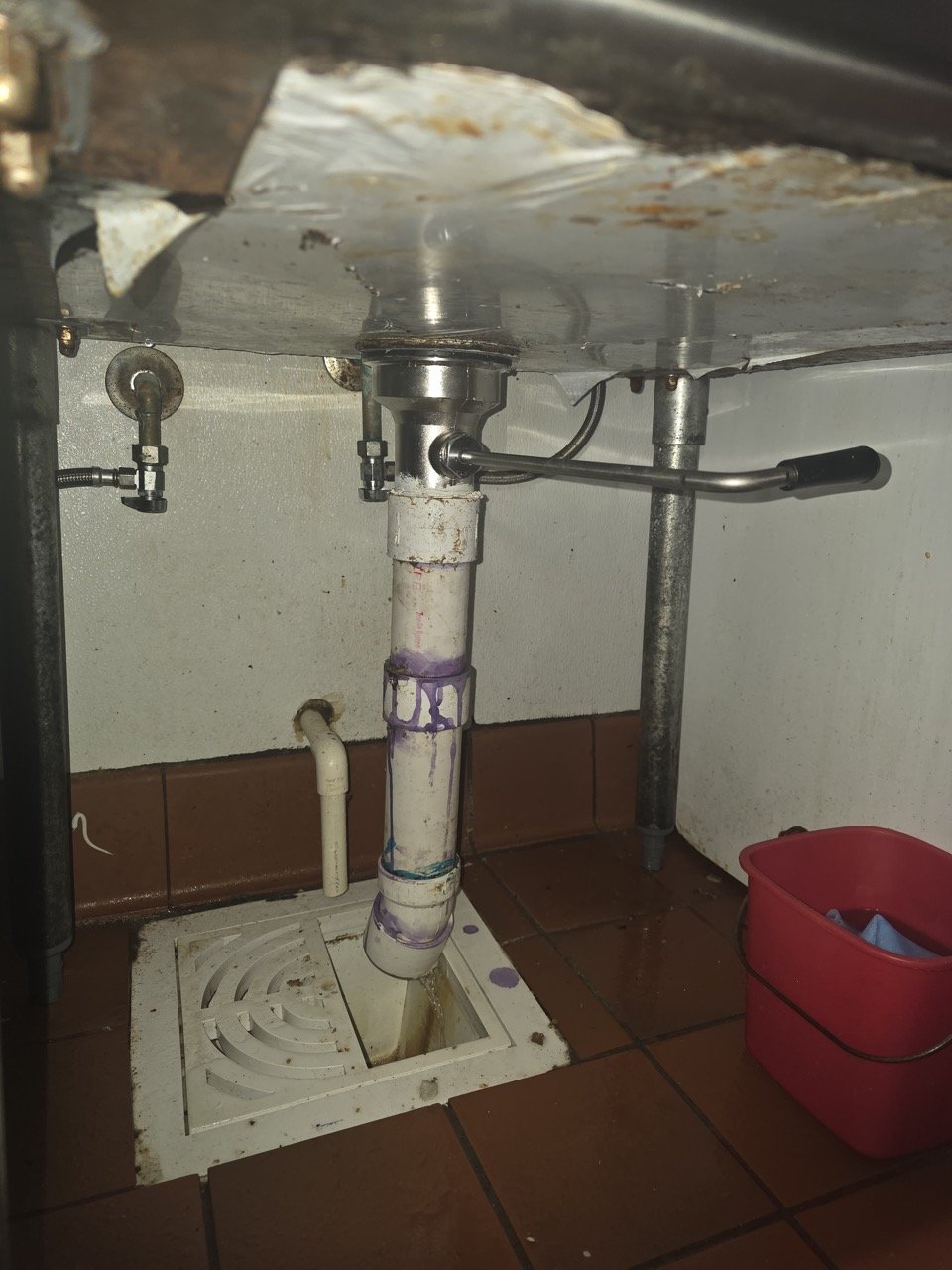
In most U.S. cities, homes built on pier-and-beam or crawl space foundations allow homeowners to visually inspect their plumbing and catch leaks early. In Houston, where virtually all homes sit on concrete slabs, slab leaks develop completely out of sight. Water released under the slab has nowhere to go — it saturates the soil, erodes the concrete from below, and slowly works its way up through the slab or along the exterior until it becomes visible. By then, significant damage has already occurred.
Hard Water Creates Pinhole Leaks in Copper Pipes
Houston's moderately hard water supply is slightly acidic and contains mineral deposits that gradually corrode copper pipe walls from the inside. Over years, this creates pinhole leaks — tiny breaches in the pipe wall that release a constant slow drip into the wall cavity. These leaks are nearly impossible to detect visually and can run for months or years before the resulting damage becomes visible. Older Houston homes in Bellaire, West University Place, and the Heights are particularly prone to this pattern.
14 Warning Signs of a Hidden Water Leak in Your Houston Home
Most hidden leaks give off signals long before the damage becomes structurally serious. Know what to look — and listen — for:
- Water bill that's noticeably higher than the same month last year — with no change in usage habits
- Sound of running water or dripping when all fixtures and appliances are off
- Warm or hot spots on tile floors — often a sign of a hot water slab leak
- Damp, soft, or spongy areas on floors — particularly near bathrooms, kitchens, or utility rooms
- Unexplained cracks in tile, hardwood buckling, or carpet that stays damp in one area
- Water stains, discoloration, or bubbling paint on walls or ceilings
- Mold or mildew smell in a room with no visible moisture source
- Visible mold or mildew growth on walls, ceilings, or inside cabinets
- Low water pressure that developed gradually without an obvious cause
- Your water meter continues to move when every fixture in the house is shut off
- Cracks in your slab or foundation that appeared or worsened over a short period
- Doors or windows that suddenly stick or no longer close properly — can indicate foundation shift from a slab leak
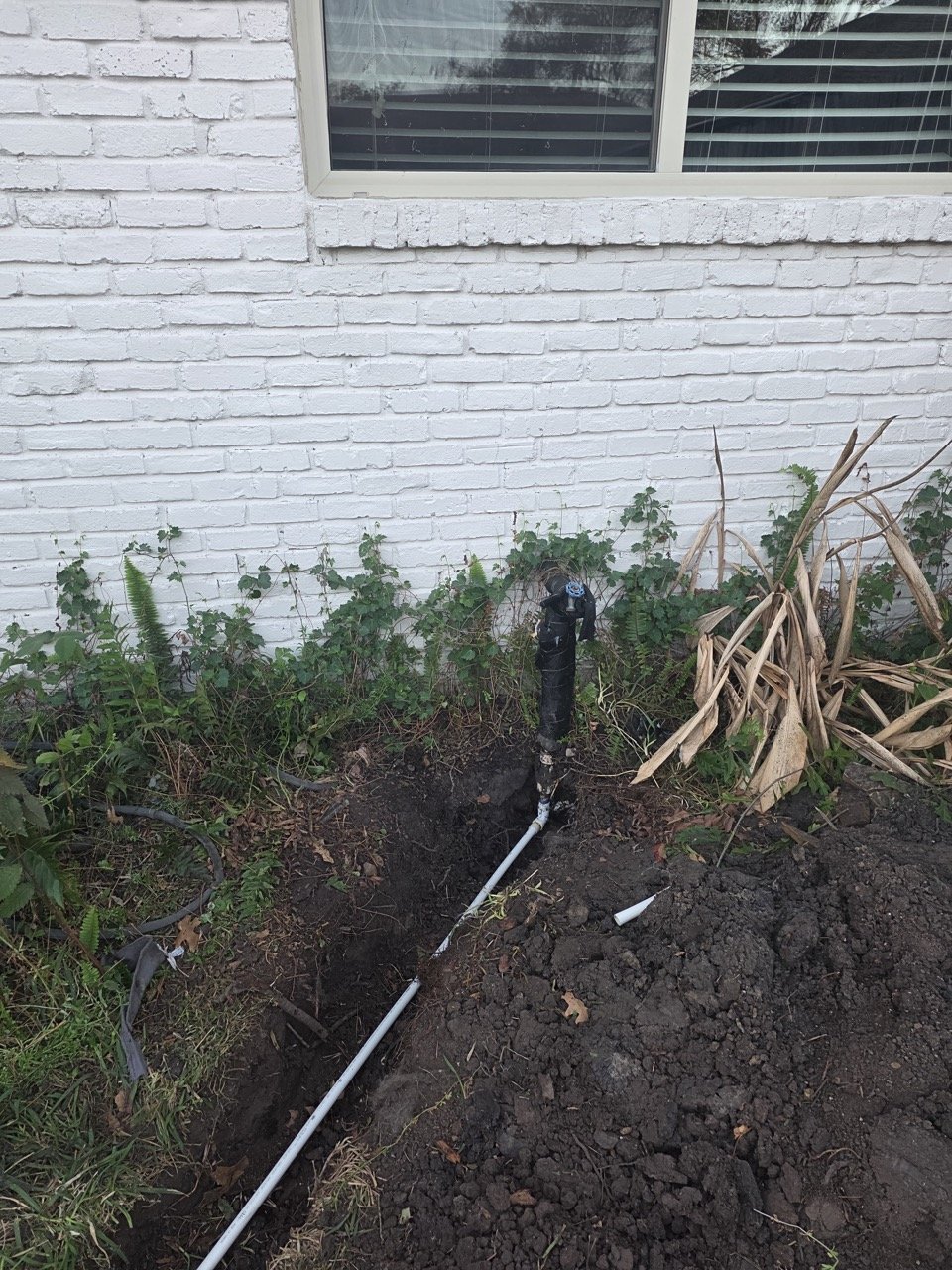
- Wet soil or unexplained lush green patches in your yard when it hasn't rained recently
- Increased pest activity — cockroaches, silverfish, and termites are attracted to areas with persistent moisture
Turn off every water fixture and appliance in your Houston home, then check your water meter. Note the reading, wait 30 minutes without using any water, and check the meter again. If the reading has changed, water is moving somewhere in your system — and you have a leak. This test costs nothing and takes 30 minutes.
What To Do If You Suspect a Hidden Leak
Do the Water Meter Test
Shut off everything in the house that uses water — including the ice maker and irrigation system. Check the meter, wait 30 minutes, check again. Any movement in the dial confirms an active leak somewhere in your system. This is your first confirmation before calling anyone.
Check Under Every Sink and Behind Every Toilet
Open the cabinet under every sink and look for moisture, staining, or soft wood on the cabinet floor. Check behind toilets for mineral deposits around the base or supply line connections. Feel along visible pipes for dampness. These are the easiest leak points to spot and the fastest to rule out.
Check Your Water Heater Area
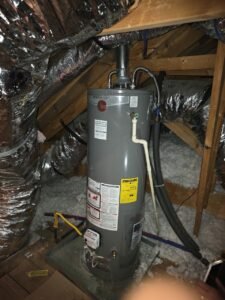
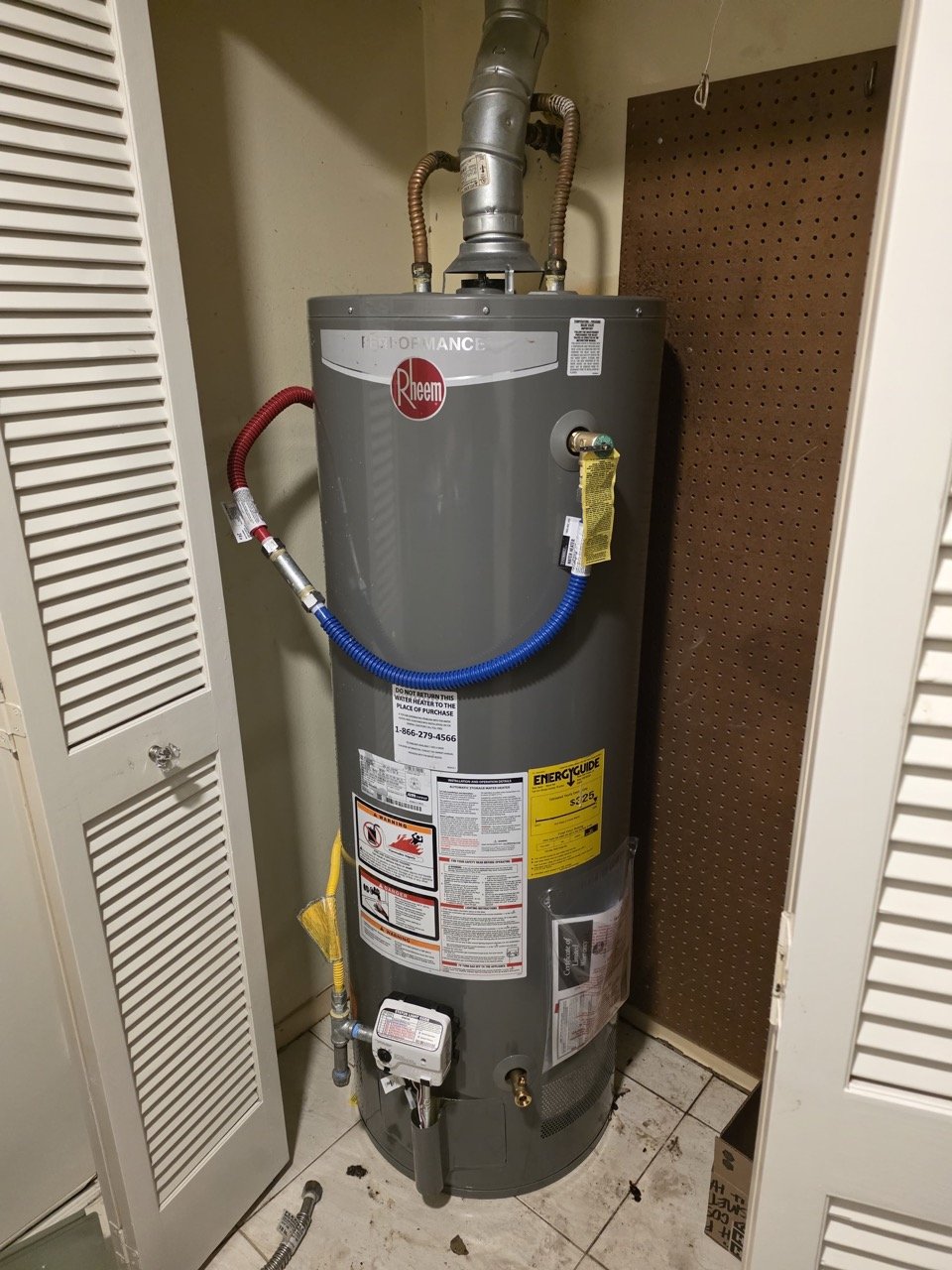
Water heaters in Houston have a hard time with the local hard water. Check for moisture or rust around the base, along the supply and discharge lines, and at the pressure relief valve. A slow drip from a water heater can go unnoticed for months in an interior closet or garage.
Walk Your Slab Floors for Warm Spots or Soft Areas
In Houston slab homes, a hot water line leak beneath the concrete creates noticeably warm spots on tile or hardwood floors above it. Walk barefoot through bathrooms, kitchens, and hallways looking for unexplained warmth or soft, slightly springy areas in the floor — both are strong indicators of a slab leak.
Call a Licensed Houston Plumber for Professional Detection
If the meter test confirms a leak but you can't find the source visually, it's time for professional leak detection. Our team uses electronic listening equipment, thermal imaging, and pressure testing to pinpoint leaks precisely — including under concrete slabs — without unnecessary demolition. The sooner the source is found, the smaller the total damage bill.
Think You Have a Hidden Leak in Houston?
Don't wait. Our leak detection team locates hidden leaks — including under slabs — without unnecessary demolition. Fast response, upfront pricing, all Houston areas.
What Hidden Leak Damage Actually Costs in Houston
The repair cost for the leak itself is almost always the smallest part of the total bill. Here's what the damage secondary to a hidden leak typically costs in the Houston market:
| Type of Damage | Typical Houston Repair Cost | Notes |
|---|---|---|
| Leak detection (professional) | $100 – $300 | Electronic / thermal — no demolition needed |
| Pipe repair or replacement | $300 – $3,000 | Depends on access, location, and extent |
| Drywall removal and replacement | $500 – $2,500 | Per affected section — more if widespread |
| Mold remediation (moderate) | $1,500 – $5,000 | Contained to one area, caught early |
| Mold remediation (extensive) | $5,000 – $15,000+ | Spread through wall cavities or multiple rooms |
| Flooring replacement | $1,000 – $6,000 | Hardwood, tile, or carpet depending on area |
| Slab leak repair | $2,000 – $8,000+ | Concrete access, pipe repair, restoration |
| Foundation repair (from long-term slab leak) | $5,000 – $30,000+ | Settlement or erosion from months of leaking |
A leak found and fixed in week one typically costs $300 – $1,500 in Houston. The same leak found three months later — after mold growth, wood rot, and possible slab erosion — routinely costs $10,000 – $30,000+ in total repairs. Early detection isn't just good practice. In Houston, it's the single biggest factor in controlling the final bill.
The Houston Slab Leak Problem
No discussion of water leak damage in Houston is complete without addressing slab leaks specifically. Because nearly every home in Houston — from Katy and Sugar Land to Pearland and the Heights — sits on a concrete slab foundation, any leak in the supply or drain lines running beneath that slab is a slab leak. And slab leaks behave very differently from other leaks.
When a pipe under a slab breaks or develops a pinhole, water is released directly into the soil beneath the concrete. In Houston's expansive clay soil, that water causes the ground to swell unevenly — lifting some sections of the slab while others remain at their original height. This differential movement is what causes the cracks, sticking doors, and sloping floors that Houston homeowners eventually notice, often months after the leak first began.
The warning signs of a slab leak include warm spots on floors, the constant sound of water running when everything is off, cracks appearing in tile or drywall, and a water bill that keeps climbing with no obvious explanation. If you notice any of these, contact our leak detection team immediately — a slab leak that's caught early is a repair. One that's ignored becomes a foundation project.
For full pricing on leak detection and slab leak repairs in Houston, see our Houston plumbing repair cost guide. For information on what causes sewage smells — often a sign of drain line leaks — see our guide on why your house smells like sewage.
Frequently Asked Questions — Water Leak Damage in Houston
Spotted a Leak in Your Houston Home? Don't Wait.
Every day a hidden leak runs in Houston adds to the damage and the repair bill. Our leak detection team locates the source fast — including under slabs — and gives you a full written estimate before any work starts.
Sources: EPA — Fix a Leak Week: Household Leak Facts | CDC — Mold Prevention and Control | City of Houston Public Works | Texas State Board of Plumbing Examiners | One Plumbing Expert Houston — Leak Detection & Repair | Houston Plumbing Repair Cost Guide