How Do I Know If I Need Emergency Plumbing Service?
Some plumbing problems can wait until morning. Others cannot — and every minute you wait makes them worse. Here's how to tell the difference fast.
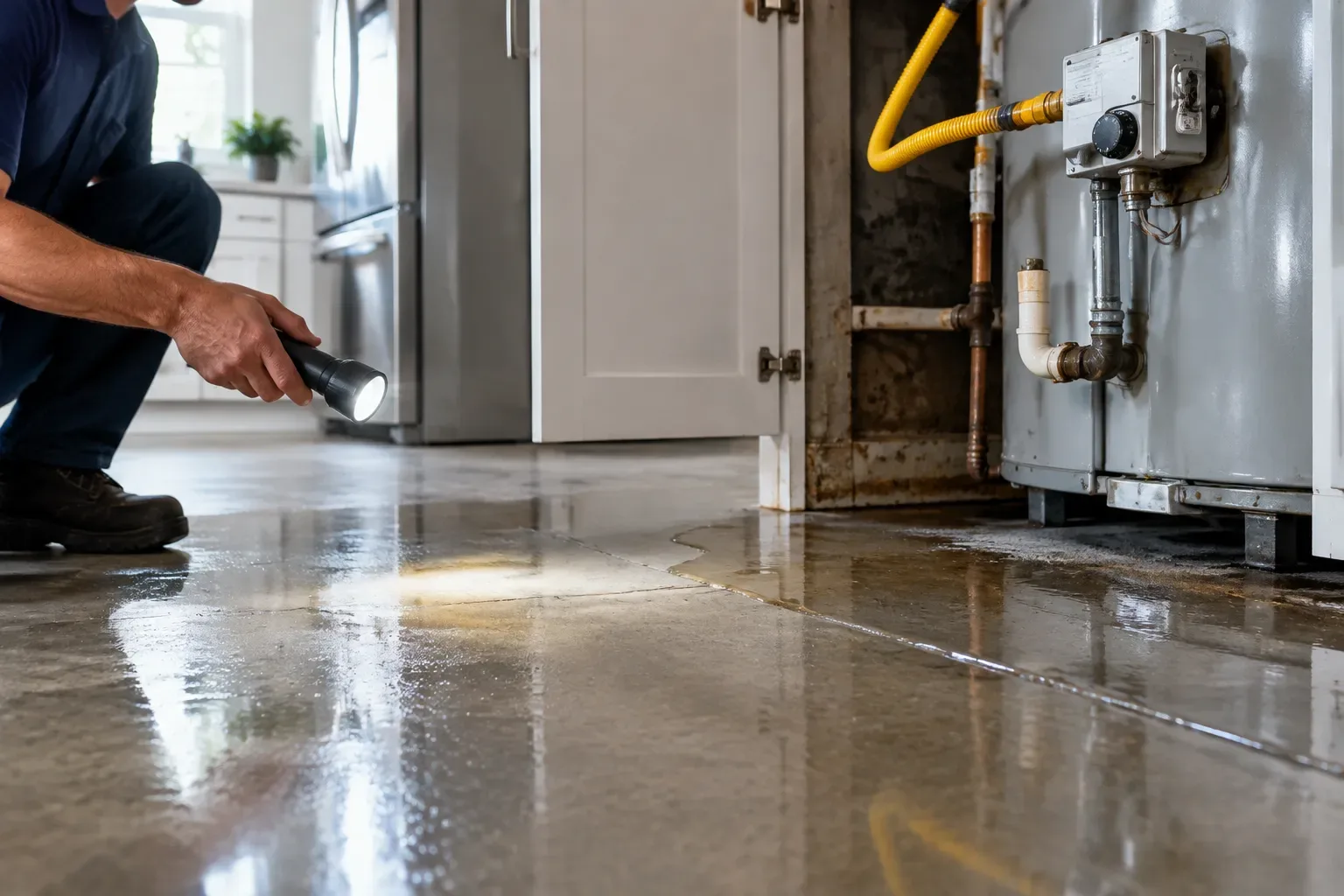
It's 10:30 at night. You walk into your kitchen and find water pooling across the floor. Or you flush the toilet and sewage starts coming up through the shower drain. Or you come home to a hot water smell you can't identify. The question that hits immediately is the same every time: do I call a plumber right now, or can this wait until morning?
Getting that decision wrong in either direction costs you. Call too early on something minor and you pay an emergency premium you didn't need to. Wait too long on something serious and you're looking at flood damage, mold, structural repairs, or a genuine safety hazard. This guide gives you a clear answer for every scenario — with specific attention to the plumbing emergencies that are most common and most serious in Houston homes.
If you're reading this right now because something is actively happening in your home — call us at (346) 489-5622. We're available 24/7 across all of Houston and will give you honest guidance on whether your situation requires immediate response before we even dispatch.
Call Right Now — True Plumbing Emergencies
These situations require an immediate call to a 24/7 emergency plumber. Every one of them will get significantly worse — and significantly more expensive — if left until morning. Do not wait on any of these:
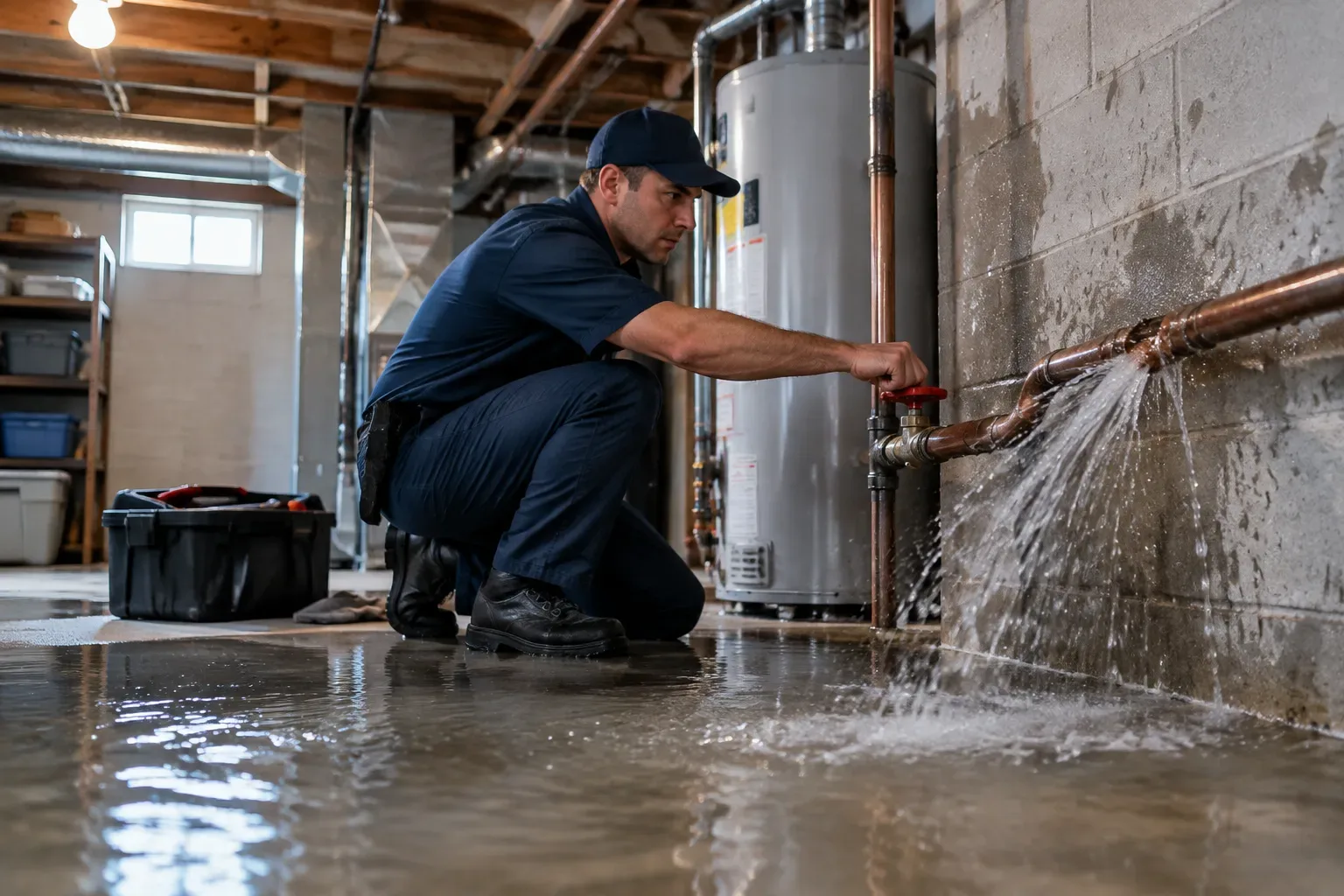
- Burst or actively spraying pipe — water is flowing freely and cannot be fully stopped
- Sewage backing up into the home — raw sewage visible in tubs, showers, or floor drains
- Complete loss of water supply — no water from any fixture in the house
- Flooding that cannot be controlled — water level rising with no way to stop it
- Gas smell near water heater or appliances — leave the home and call immediately
- Slab leak with visible floor damage — warm spots, rising water from floor level
- Sewage smell throughout entire home — strong, sudden, in multiple rooms
- Water near electrical panels or outlets — combined water and electrical hazard
- Toilet overflowing and won't stop — shut off the valve behind the toilet, then call
- Single slow or partially clogged drain — inconvenient but not urgent
- Dripping faucet — wasteful but not an emergency unless water is pooling
- Running toilet — can wait unless water is overflowing
- Low water pressure in one fixture — typically a local valve or aerator issue
- Hot water heater running out faster than usual — schedule a morning call
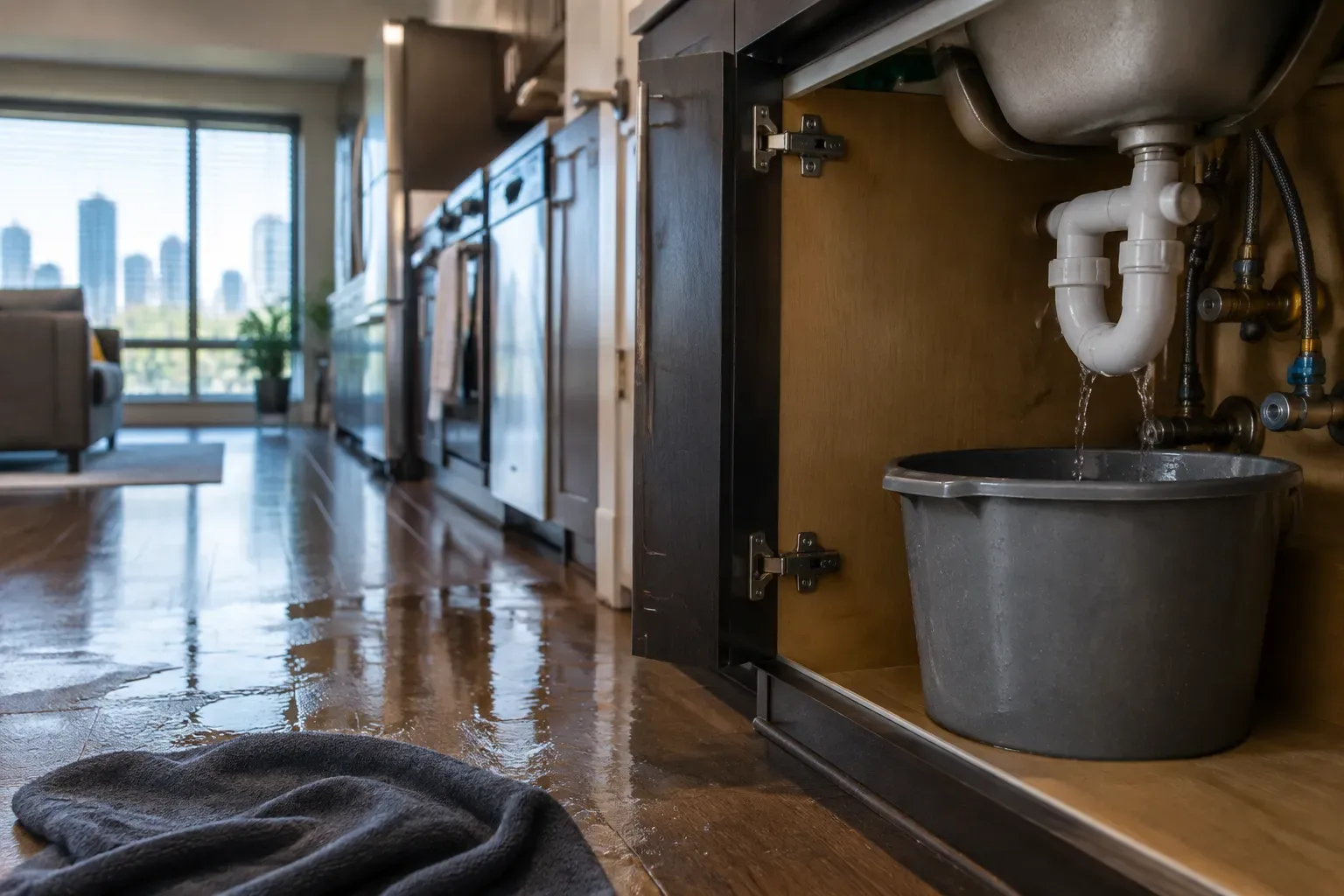
- Minor leak under a sink that is contained — place a bucket, call in the morning
- Noisy pipes or water hammer — annoying but not immediately damaging
- Toilet that runs occasionally — usually a flapper valve, not urgent
If you're reading this at 11 p.m. and genuinely unsure whether your situation is an emergency, call our team at (346) 489-5622. We will tell you honestly whether you need someone out tonight or whether it can safely wait until morning. A 2-minute phone call costs nothing and could save you thousands.
Understanding the Line Between Emergency and Non-Emergency
The clearest way to decide whether a plumbing problem is a true emergency comes down to three questions:
- Is water actively flowing where it shouldn't be — and can you stop it? If water is flowing and you cannot shut it off completely, that's an emergency.
- Is there a health or safety risk right now? Sewage in the living space, gas smells, and water near electrical components are all immediate safety issues.
- Will waiting until morning make this significantly worse? A burst pipe flooding a kitchen for 8 hours causes exponentially more damage than one caught within the hour. In Houston's humidity, mold can begin within 24–48 hours of sustained water exposure.
If the answer to any of these is yes — call now. If all three answers are no — schedule a morning call, contain what you can, and document the problem so the plumber has the full picture when they arrive.
Houston Emergency Scenarios — Real Situations, Clear Answers
Here are the most common plumbing situations Houston homeowners face after hours — with a direct answer on whether each one needs an emergency call:
Pipe Burst After a Cold Snap
Houston's periodic freeze events — like Winter Storm Uri — cause pipes to burst suddenly. If water is spraying or flowing from a burst pipe, shut off the main water supply immediately and call for emergency service. Do not wait — the flooding damage compounds by the minute.
Sewage Backup Into Tub or Shower
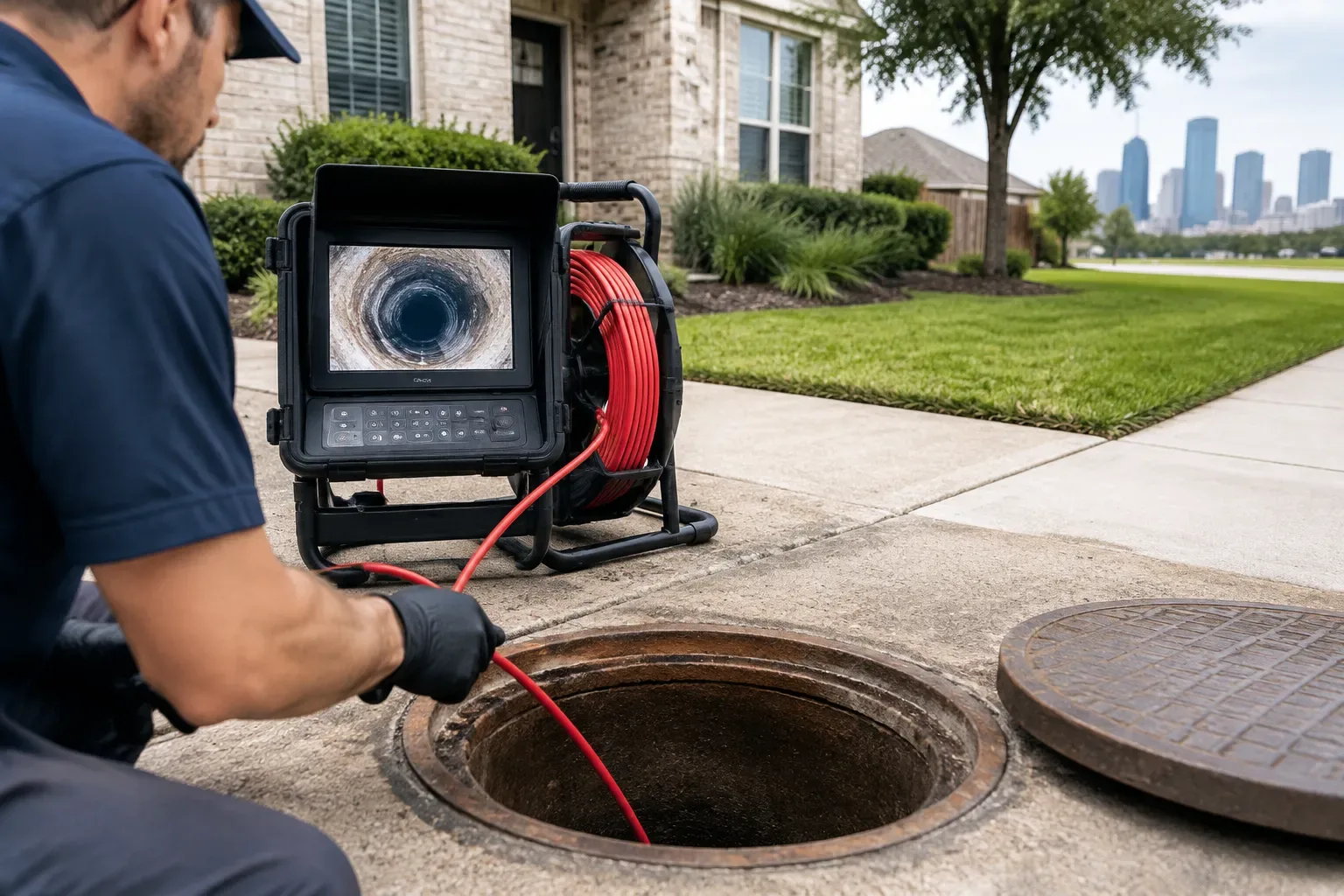
Raw sewage appearing in your bathtub or shower drain is a main sewer line blockage or backup. This is both a health emergency and a plumbing emergency. Do not use any drains or flush any toilets until the line is cleared. Call immediately.
Water Rising From the Slab Floor
Water appearing to seep or rise from floor level — particularly warm water — is a strong indicator of a slab leak. In Houston homes on concrete slabs, this requires immediate professional attention. The longer a slab leak runs, the greater the foundation and structural damage.
No Water in the Entire House
A complete loss of water supply across all fixtures — when the street has no reported outage — indicates a main supply line failure, a broken main shut-off valve, or a serious internal pipe failure. This needs same-day emergency response.
Flooded Yard With Water Running Into the House
After heavy Houston rain or flooding, water entering the home through floor drains, cracks, or doors carries sewage contamination risk. Combined plumbing and flood response is needed immediately — do not wade through sewage-contaminated water without protection.
Gas Smell Near Water Heater or Gas Lines
Any smell of rotten eggs or sulfur near your water heater, stove connections, or gas line entry points is a gas leak until proven otherwise. Leave the home immediately without operating any electrical switches. Call the gas company and a plumber from outside.
One Drain Backing Up Slowly
A single slow kitchen or bathroom drain is almost always a localized clog. Place a bucket if needed, avoid using that fixture, and call for a morning appointment. This is not an emergency unless multiple drains are affected simultaneously.
Water Heater Not Producing Hot Water
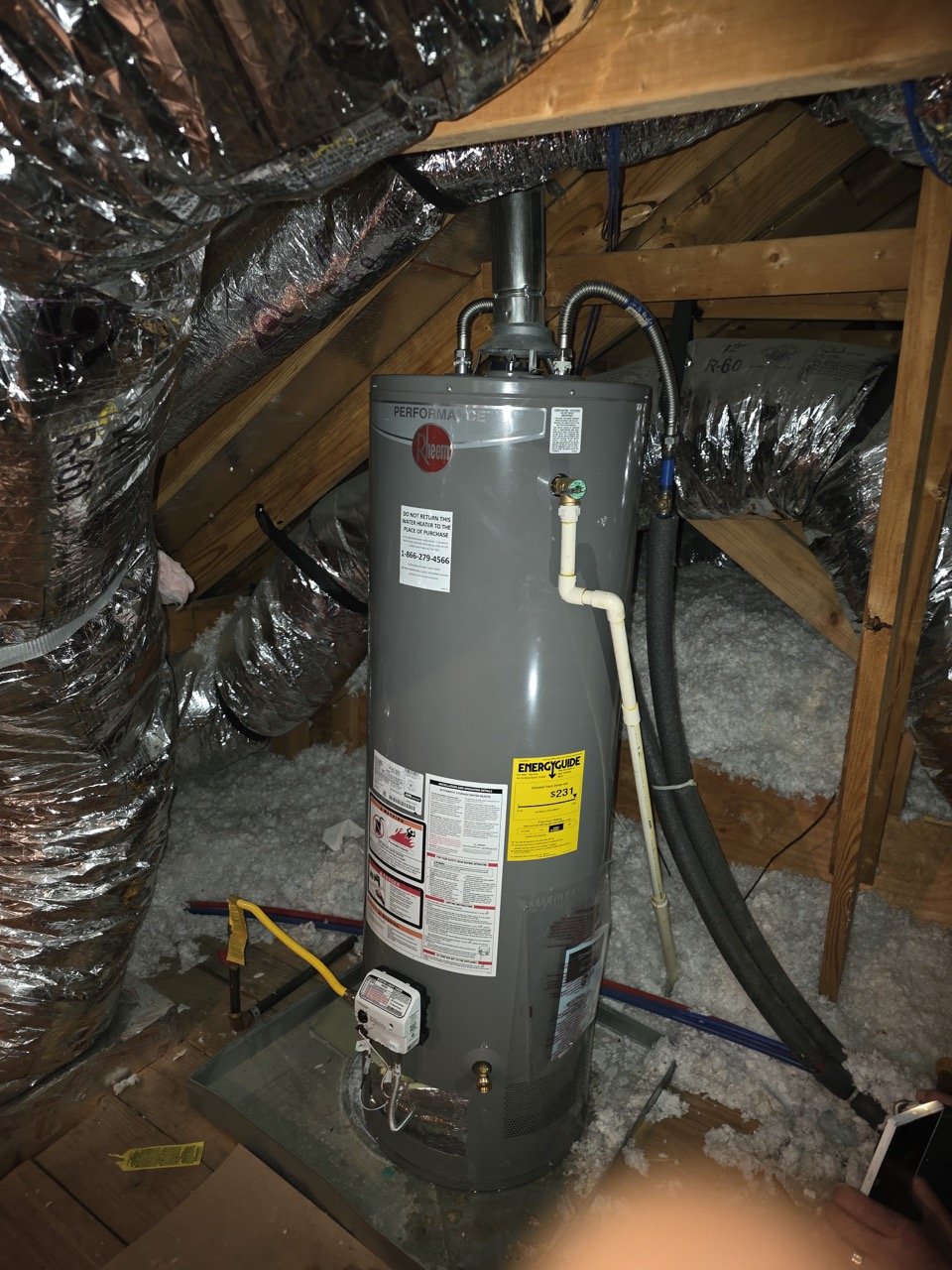
An underperforming or failed water heater is inconvenient but not typically an emergency. The exception: if the water heater is actively leaking and flooding the area around it, shut off the water supply to the unit and call for emergency service.
What To Do First in Any Plumbing Emergency
Whatever the situation, these steps apply in order. Doing the right things first — before the plumber even arrives — can significantly reduce the total damage and cost.
Shut Off the Water — Immediately
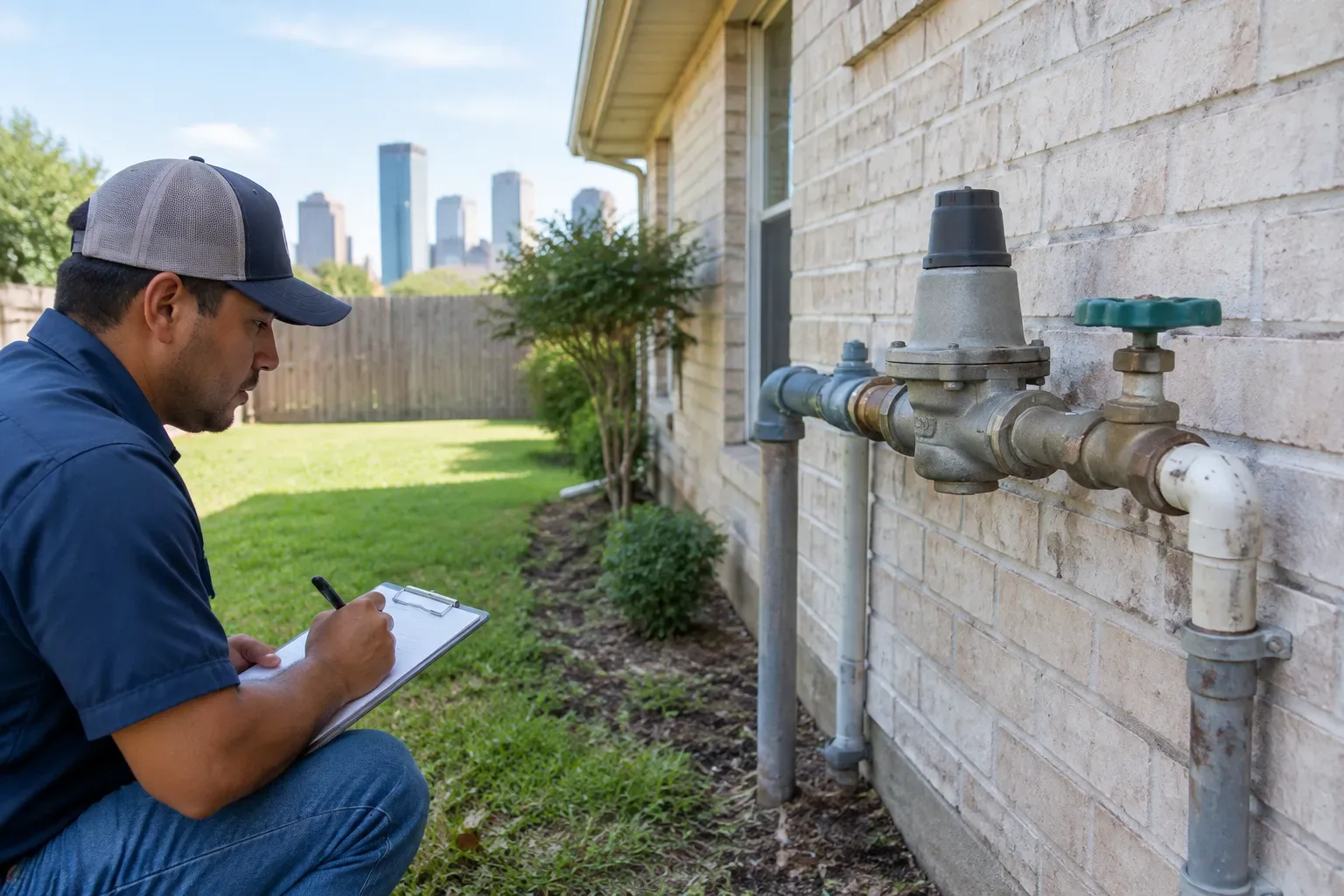
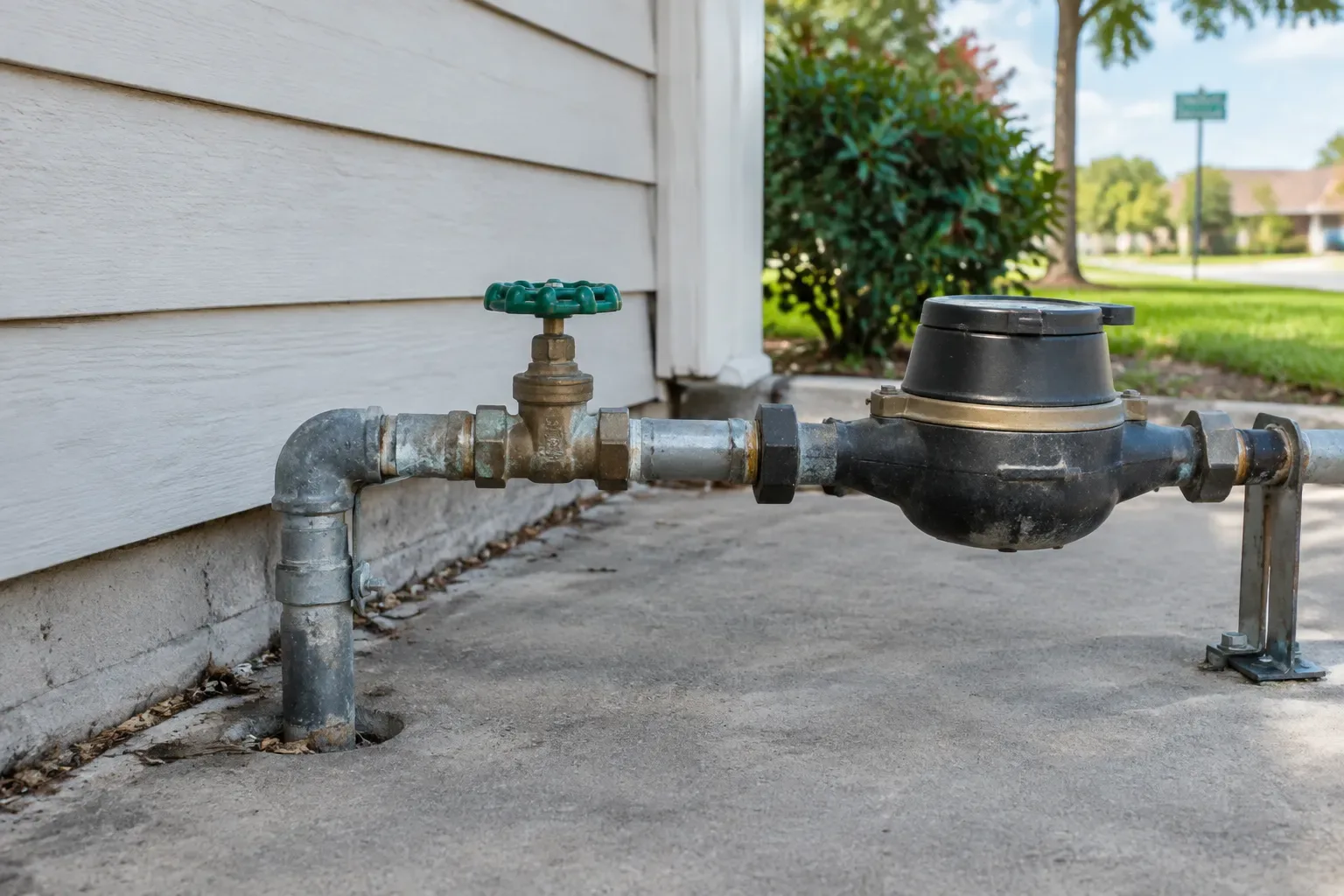
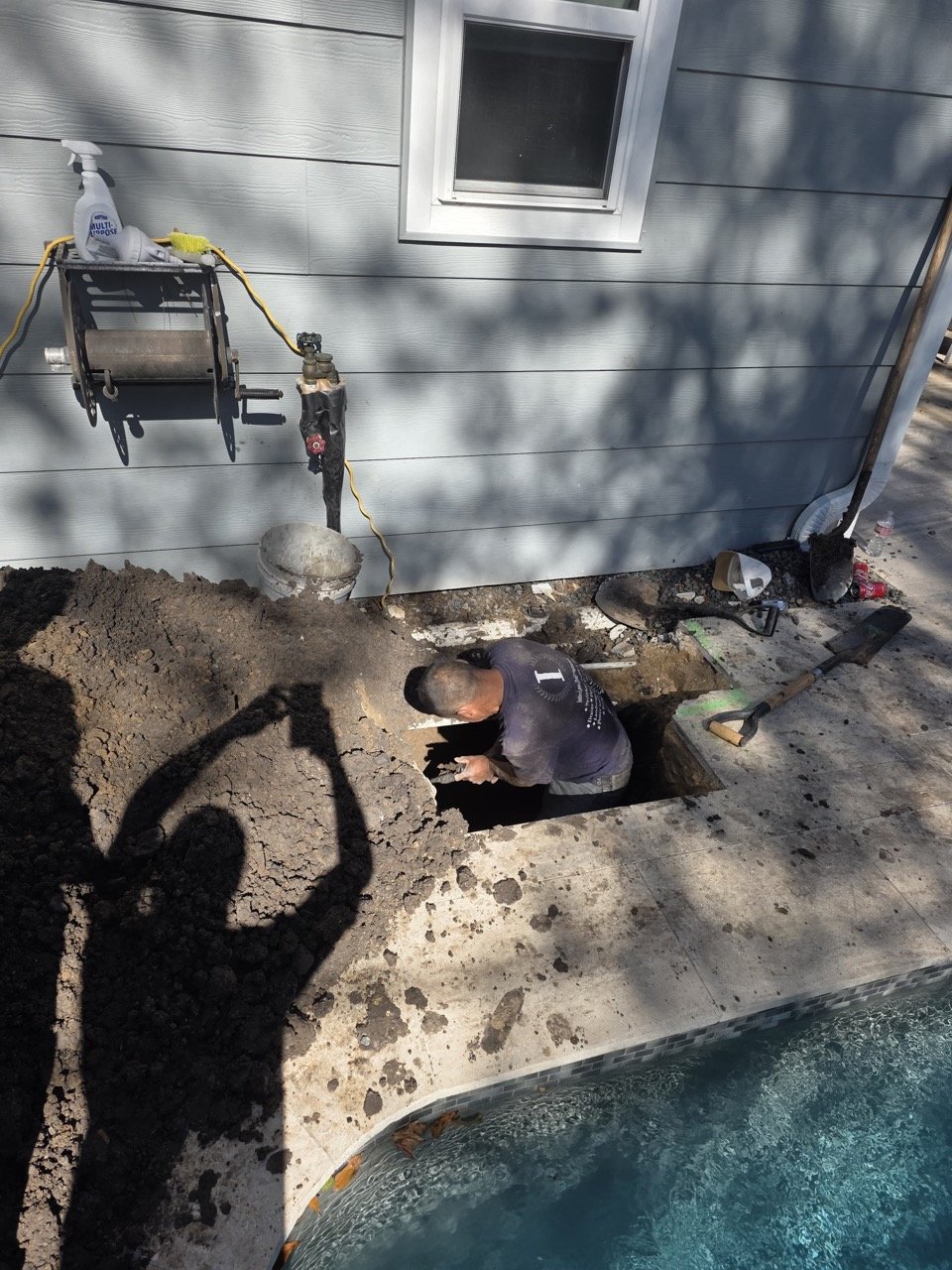
For any active leak, burst pipe, or flooding situation, shutting off the water supply is always the first action. Every Houston slab home has a main shut-off valve near the street meter box and typically a secondary shut-off inside the garage or near the water heater. Know where yours is before an emergency — finding it at 2 a.m. while water is flooding your kitchen adds critical minutes to the damage window.
For Gas Smells — Leave the Home First
If the emergency involves a gas smell, do not shut off lights, use your phone inside, or operate any electrical switches — any spark can ignite gas. Walk out of the home, move away from the building, and call the gas company and a plumber from outside. Do not re-enter until both have cleared the home.
Move Valuables and Electronics Away From Water
While waiting for the plumber, move anything on the floor — electronics, documents, furniture — away from the water path. Place towels to slow the spread if safe to do so. Do not use electrical appliances in any area with standing water.
Document Everything With Photos
Take clear photos and video of the damage — the source, the affected areas, and any visible water spread — before any cleanup begins. This is essential for homeowners insurance claims. Your plumber will also benefit from seeing the full picture before they arrive, especially for slab leak or sewer backup situations.
Call a Licensed 24/7 Houston Plumber
Once the water is off and the immediate situation is stabilized, call our 24/7 emergency plumbing line at (346) 489-5622. Describe what you're seeing — the location, whether water is still flowing, and any unusual smells or sounds. Our team will confirm the urgency level, give you a realistic arrival window, and walk you through any additional steps before we get there.
Walk through your Houston home today and locate: (1) the main water shut-off valve near the street meter, (2) the shut-off valves behind each toilet, and (3) the shut-off valves under each sink. Label them with a marker if needed. When a pipe bursts at midnight, knowing exactly where these are can save you thousands in flood damage.
Plumbing Emergency in Houston Right Now?
Call us immediately. We respond 24/7 across all of Houston — Katy, Pearland, Sugar Land, The Woodlands, Pasadena, and beyond. Upfront pricing even on emergency calls.
Houston-Specific Plumbing Emergencies You Need to Know
Freeze-Related Burst Pipes — Houston's Most Sudden Emergency
Most Houston homes were not built with pipe insulation designed for freezing temperatures. When a hard freeze hits — like Winter Storm Uri in 2021, which affected hundreds of thousands of Houston households — pipes in exterior walls, attics, and uninsulated garage areas freeze and burst rapidly. The damage happens fast, and because many homeowners aren't familiar with the signs of a frozen pipe before it bursts, they often discover the problem only after the thaw — when water starts flowing freely from the rupture.
If temperatures are forecast to drop below 28°F in Houston, leave a trickle of water running from faucets on exterior walls and open cabinet doors under sinks to allow warm air to reach the pipes. If you wake up to no water during a cold spell, call a plumber immediately — a frozen pipe is on the verge of bursting, and catching it before the thaw can prevent the rupture entirely.
Post-Storm Sewer Backups — Every Hurricane Season
Houston's flat topography and aging sewer infrastructure make post-storm sewer backups one of the most common plumbing emergencies in the city. When the municipal system is overwhelmed by rainfall — something that happens multiple times a year in neighborhoods like Meyerland, Lawndale, Kashmere Gardens, and Greenspoint — sewage reverses direction and flows back into homes through floor drains, toilets, and bathtubs. This is a health emergency. Avoid all contact with the backed-up water, do not use any drains or flush any toilets, and call for emergency service immediately.
Slab Leaks — Houston's Silent Emergency
Unlike a burst pipe that announces itself with immediate flooding, a slab leak in a Houston home can run for weeks before the signs become obvious. But once they do — warm spots on floors, water appearing at floor level, a water bill that's climbed $100 in a single month — it's already an urgent situation. Slab leaks that are ignored become foundation problems, and foundation problems are the most expensive thing a Houston homeowner can face. Don't treat a suspected slab leak as something to schedule for next week.
Quick Reference — Emergency vs. Non-Emergency in Houston
| Situation | Emergency? | First Action |
|---|---|---|
| Burst pipe / water spraying | Yes — Call Now | Shut off main water supply immediately |
| Sewage in tub or shower drain | Yes — Call Now | Stop using all drains and toilets |
| No water in entire house | Yes — Call Now | Check meter, call plumber |
| Gas smell near water heater | Yes — Leave Home | Exit, call gas company + plumber from outside |
| Water rising from slab floor | Yes — Call Now | Shut off water, call for slab leak inspection |
| Flooding near electrical panel | Yes — Call Now | Do not enter — call plumber and electrician |
| Post-freeze pipe burst | Yes — Call Now | Shut off main supply, document damage |
| Single slow drain | No — Morning Call | Avoid using that fixture, book a morning call |
| Dripping faucet | No — Morning Call | Note location, schedule next available appointment |
| Running toilet (non-overflow) | No — Morning Call | Shut off toilet supply valve if needed |
| No hot water (heater not flooding) | No — Morning Call | Check pilot light, schedule morning visit |
| Water hammer / noisy pipes | Not Urgent | Schedule at your convenience |
The Real Cost of Waiting in Houston
The emergency call-out premium feels significant in the moment — typically $150 to $400 above standard rates for after-hours service in Houston. But compare that to what waiting actually costs:
- A burst pipe running for 8 hours before discovery floods an average of 50–100 gallons per hour from a standard supply line — thousands of gallons of water damage before the plumber arrives
- Mold begins growing in Houston homes within 24–48 hours of sustained water exposure — a leak ignored overnight is a mold remediation job by the following evening
- Sewage contamination from a backup that spreads through a home requires professional biohazard cleaning that routinely costs $2,000 – $8,000 on top of the plumbing repair
- A slab leak that runs unaddressed for an additional week adds significantly to the soil saturation and foundation stress — the difference between a $3,000 repair and a $15,000 one
For full details on what emergency and non-emergency plumbing repairs cost in Houston, see our Houston plumbing repair cost guide. If you're dealing with a sewage smell alongside the issue, see our guide on why your house smells like sewage. For information on hidden leak damage timelines, see can a small water leak cause major damage.
Frequently Asked Questions — Emergency Plumbing in Houston
Houston Plumbing Emergency? We're Ready.
24/7 emergency response across all of Houston and surrounding areas. Licensed, insured, upfront pricing — even at 3 in the morning.
Sources: FEMA Ready.gov — Home Emergency Preparedness | City of Houston Public Works | Texas State Board of Plumbing Examiners | One Plumbing Expert Houston — Emergency Plumbing | Houston Plumbing Repair Cost Guide | Can a Small Water Leak Cause Major Damage?