
Why Is Water Coming Up Through a Floor Near Creekbend in Brays Oaks?
Water coming up through a floor can come from a concealed supply-line leak, a drain or sewer backup, an appliance or water-heater connection, or rainwater entering through a crack, joint, or low point. The symptom alone does not prove a slab leak. The timing of the water, its odor and color, and what happens when fixtures run are the fastest clues to the correct next step.
For a Brays Oaks property near Creekbend, treat increasing water, sewage-like odor, or water near electricity as urgent. One Plumbing Expert Houston can help identify whether the plumbing system is involved, but stormwater or groundwater intrusion may require a different type of assessment after the plumbing source is ruled out.
Quick Answer
If water appears while no fixtures are running, a pressurized water-line leak beneath or near a concrete slab is one possibility. If it rises when toilets flush, showers drain, or laundry discharges, a blocked or damaged drain or sewer line is more likely. If it appears during or after heavy rain, stormwater or groundwater intrusion is also possible.
Do not walk through water near outlets, cords, appliances, or electrical panels. Keep people and pets away if the water is dark, foul-smelling, or coming from a drain. If safe, turn off the main water supply when the flow continues with all fixtures off, then arrange an inspection.
What Does the Timing of the Water Tell You?
The pattern matters more than the location of the wet spot alone. In Houston-area homes with concrete slabs, water from a failed pipe below the slab can travel and emerge at a floor joint, crack, plumbing penetration, or other low point rather than directly above the failure.
| What you observe | Possible cause | What to do next |
|---|---|---|
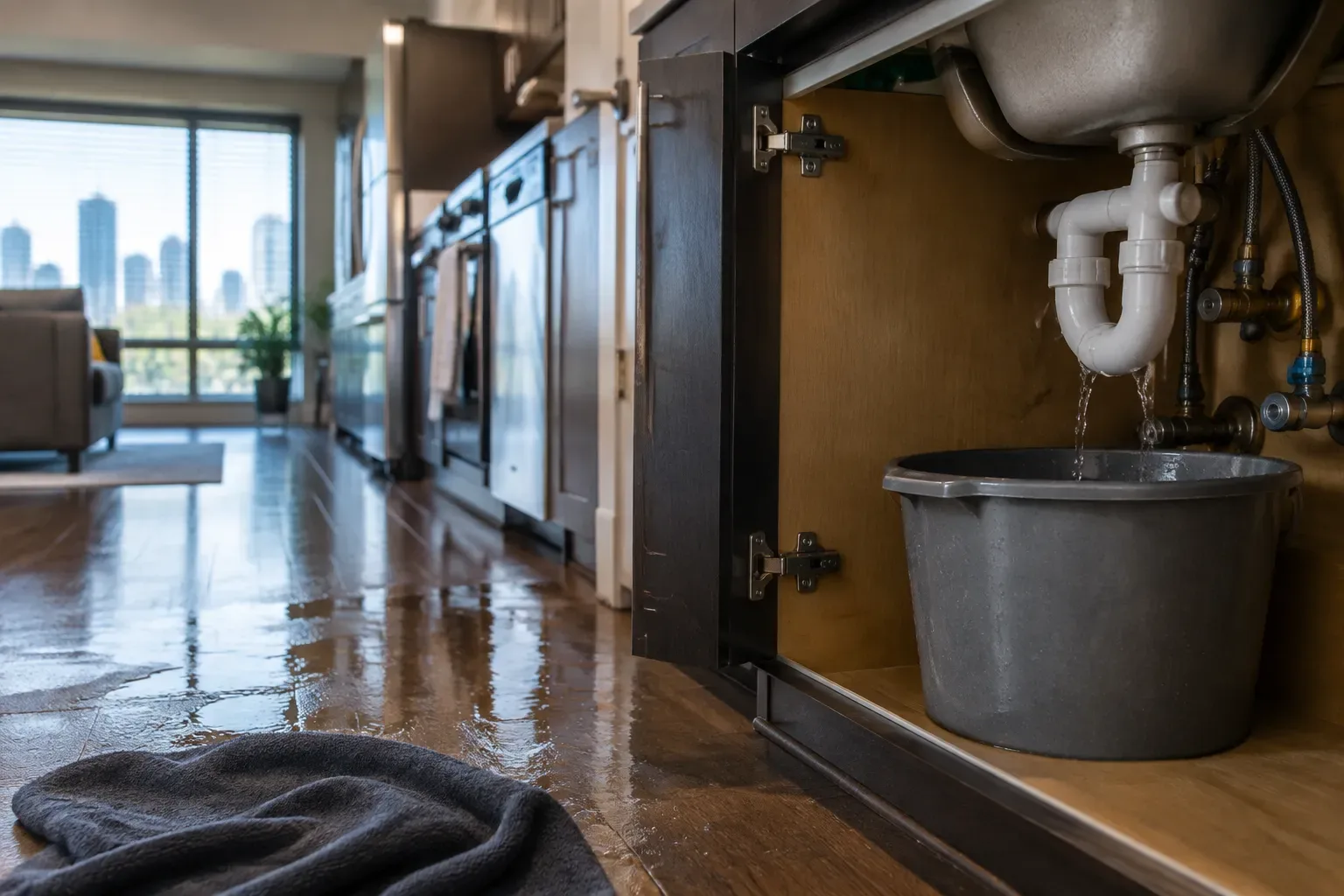
| Water continues with all fixtures off | Concealed pressurized supply-line leak, appliance supply leak, or another active water source | Shut off the main water if safe and have the system evaluated for a leak. |
| Water rises after flushing, showering, or draining a washer | Drain obstruction, sewer backup, or damaged drain piping | Stop adding water to drains and arrange drain or sewer diagnosis. |
| Water comes from a floor drain or low drain opening | Drain backup or sewer surcharge | Avoid chemical cleaners and treat foul or discolored water as contaminated. |
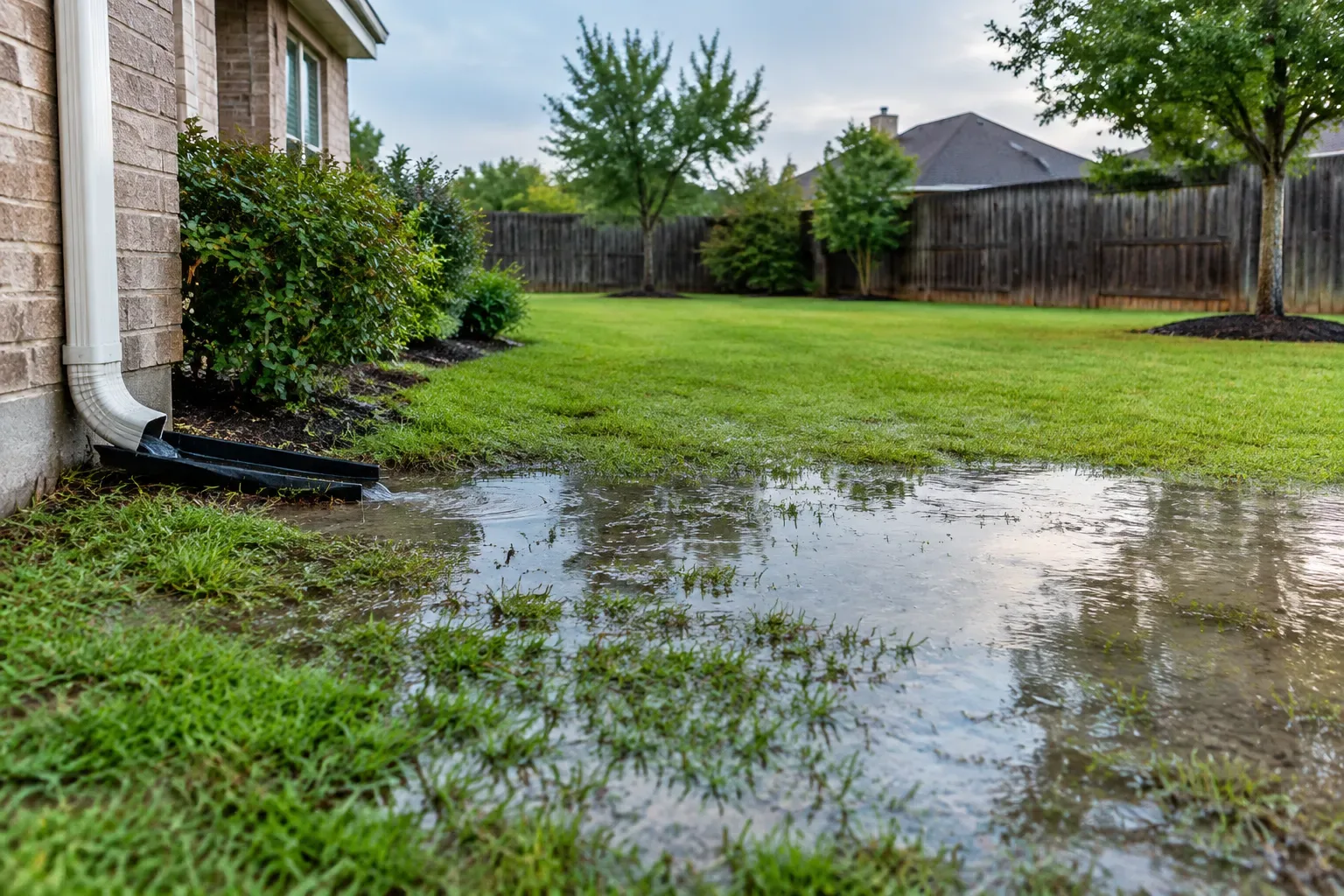
| Water appears only during or after intense rain | Rainwater or groundwater entering through cracks, joints, penetrations, or low areas | Document the timing and consider drainage or building-envelope assessment after plumbing is excluded. |
Recent rain creates a different diagnostic path from water that appears whenever a fixture runs. Heavy rainfall can push water through floor cracks, wall-floor joints, and plumbing penetrations without a pressurized plumbing pipe being broken. That does not make the situation harmless, since standing moisture still needs prompt attention.
Could It Be a Slab Leak, Sewer Backup, or Rain Intrusion?
These causes can look similar at first, but they call for different responses. A slab leak generally involves a water or drain pipe beneath a concrete slab. A sewer backup involves wastewater that cannot flow away as intended. Rain or groundwater intrusion comes from outside the plumbing system and may continue even after the main water supply is shut off.
A supply leak may also be associated with a higher water bill, lower water pressure, or a warm area of flooring when a hot-water line is involved. Those are observable symptoms, not proof. A professional finding requires testing.
Drain or sewer trouble becomes more likely when several drains are slow, a toilet gurgles, water rises from a floor drain, or the water has a sewage odor. If a water heater pan, nearby piping, or its connections are wet, that is a separate possibility worth checking through water heater repair and installation.
What Should You Do Before a Plumber Arrives?
Protect people first, then preserve useful information without spreading the water.
- Stay out of standing water near electrical outlets, appliances, cords, or panels. If electrical safety is uncertain, do not enter the area.
- Keep pets and children away, especially if the water is dark, foul-smelling, or rising from a drain.
- Stop running faucets, showers, dishwashers, washing machines, and toilets if a drain or sewer backup is possible.
- If water continues while every fixture is off and the main shutoff is safely accessible, turn off the home’s water supply.
- Photograph the first wet area, note the water’s color and odor, and record whether rain or fixture use preceded it.
- Move dry belongings away from the affected area only if doing so is safe. Do not use a vacuum or electrical equipment around standing water.
The CDC’s flood cleanup guidance advises caution around potentially contaminated floodwater and electrical hazards. Similar care is sensible whenever the source is unknown or sewage is suspected.
When Is Water Through the Floor an Emergency?
It is an emergency plumbing issue when water is actively increasing, wastewater may be present, or the leak threatens electrical safety, flooring, walls, or belongings. A sewage smell, dark water, toilet overflow, or water emerging after drains are used should be treated as potentially unsanitary rather than as ordinary clean water.
Emergency plumbing service is appropriate when the source cannot be safely controlled, the flow is worsening, or a drain backup is affecting occupied areas. If the water appears only after rain and does not change with fixture use, a plumber can help rule out plumbing causes, but drainage, foundation, roof, or exterior-water management may also need evaluation.
How Do Plumbers Find the Source Beneath or Around a Floor?
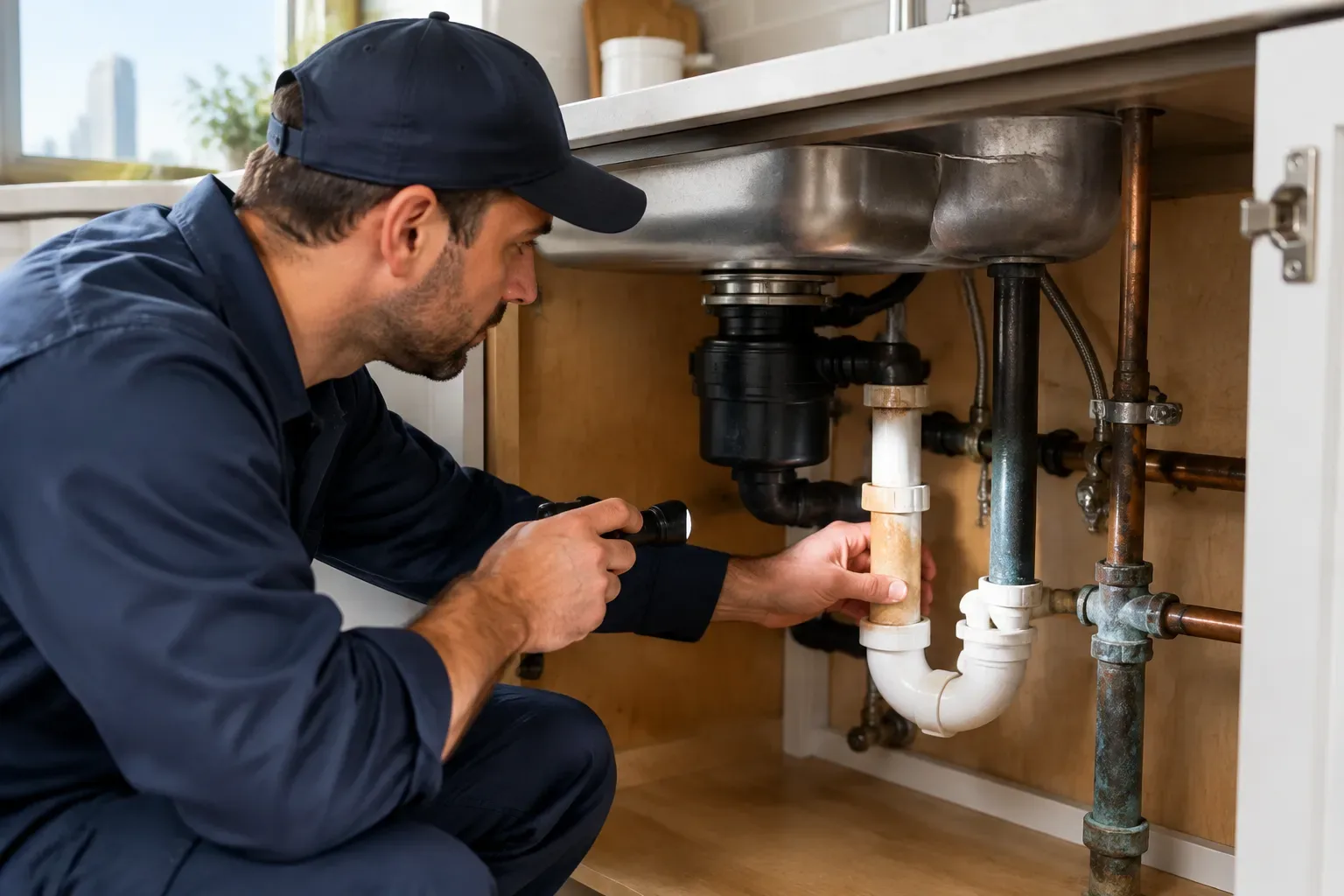
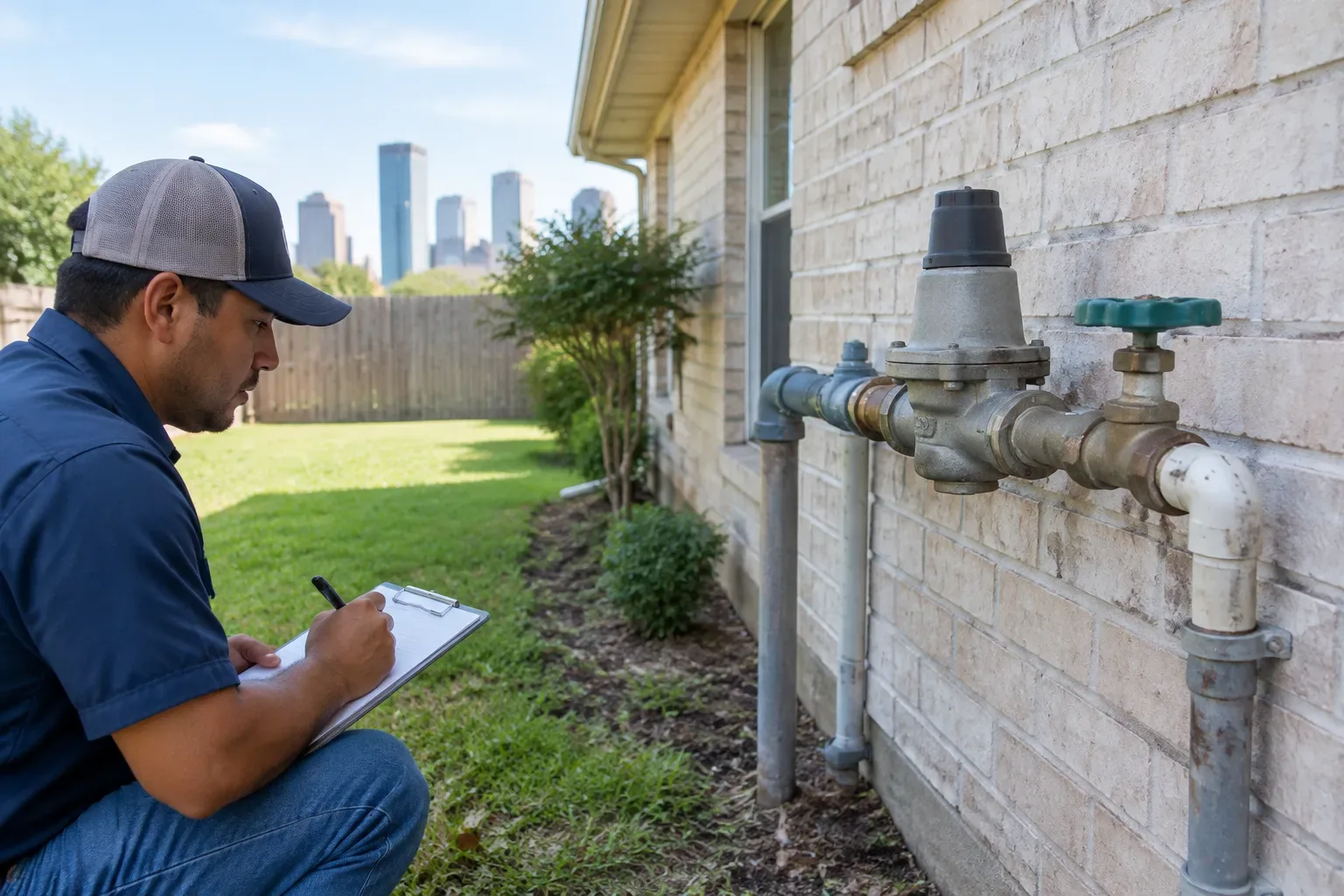
A proper diagnosis starts by separating supply-water symptoms from drain and sewer symptoms. Plumbers may isolate portions of the system, check for water-meter movement, conduct pressure testing, inspect accessible connections, and use electronic leak-detection equipment where appropriate. These methods narrow the source before anyone recommends opening flooring or concrete.
Leak detection and repair is useful when the water appears to be from a concealed pressurized line. If fixture discharge triggers the problem, the investigation shifts toward the drainage system rather than assuming a supply-line leak.
Avoid pouring chemical drain cleaner into a drain that may be backed up. It will not repair a broken sewer or drain line, and it can make cleanup and professional handling more hazardous.
Why Should the Area Be Dried After the Source Is Stopped?
Stopping the water is only the first part of protecting the space. Moisture can remain beneath finished flooring, along wall edges, or inside materials even when the surface looks dry. The EPA’s guidance on mold and moisture recommends addressing moisture problems promptly to reduce the conditions that support mold growth.
A plumbing inspection identifies or rules out a plumbing source. Water-damage drying, flooring repair, and exterior drainage correction are separate scopes that may be needed depending on what the inspection finds.
What Is the Most Common Mistake to Avoid?
The biggest mistake is treating every wet floor as the same problem. Shutting off the main water can limit damage from a pressurized supply leak, but it will not stop a sewer backup caused by downstream blockage or water entering during rain. Running more water to “test” the issue can worsen a drain backup and spread contamination.
Promptly investigating unexplained water is sensible. The EPA recommends finding and fixing leaks, but the repair should follow a diagnosis rather than a guess. The practical takeaway is simple: observe the pattern, stop unsafe water use, and match the response to the actual source.
Ready to discuss your project?
For water appearing through a floor near Creekbend, request a plumbing assessment to identify whether the source is a leak, drain backup, or another issue.
FAQ
Why is water coming up through my concrete floor when nothing is running?
Possible causes include a concealed pressurized water-line leak, a leaking appliance connection, water from a nearby water heater, or water moving through the slab from another location. Check whether the water meter changes after all fixtures are off, but do not treat that check as a final diagnosis. A concealed leak can cause damage even when the visible wet area is small. Read more about how a small leak can cause major damage.
Does water coming up through the floor mean I have a slab leak?
No. A slab leak is one possible cause, particularly where piping runs beneath concrete, but a sewer backup, drain-line failure, appliance leak, or rain intrusion can create a similar symptom. Clear water that continues independent of drain use may point toward a supply leak. Water that rises after toilets or drains are used points more toward drainage trouble. Testing is needed to confirm the source.
Why does water come up through a floor drain after I flush the toilet?
That pattern can indicate a blockage or restriction downstream in the drain or sewer system. The flushed water cannot move away fast enough and may rise at the lowest available opening, such as a floor drain. Stop flushing and avoid using water-heavy fixtures until the line is evaluated. Continuing to use the plumbing can spread contaminated water into more areas.
Should I shut off my main water valve if water is coming through the floor?
Shut it off if the water keeps appearing with fixtures off and you can safely access the valve. That step can reduce flow from a pressurized supply-line leak. It may not stop water caused by a sewer backup, drain problem, stormwater, or groundwater. If you are unsure which valve to use or electricity is nearby, prioritize safety and seek professional help.
Is water coming through the floor after heavy rain always a plumbing problem?
No. Rainwater or groundwater can enter through cracks, wall-floor joints, plumbing penetrations, and low areas after intense rain. Note whether the water begins or worsens with rainfall and whether it changes when fixtures run. A plumbing inspection can rule out internal leaks, but an exterior drainage or building-envelope issue may need a separate specialist if plumbing is not the source.
What does sewage water coming up through the floor smell or look like?
Sewage-related backup water may smell foul or musty and can be cloudy, dark, or contain debris. Appearance alone is not a reliable safety test, so treat unknown drain water as potentially contaminated. Keep people and pets away, avoid direct contact, and do not use chemicals in the affected drain. For more warning signs, see how to know if you need emergency plumbing service.
Can I use a wet vacuum to clean the water myself?
Only after confirming there is no electrical hazard and that the water is not sewage, floodwater, or otherwise contaminated. Do not use an electrical vacuum near outlets, cords, appliances, or standing water of unknown origin. If wastewater is possible, avoid DIY cleanup that could spread contaminants. First stop the source, then determine the appropriate cleanup and drying approach.
Will a plumber need to break up my floor to find the leak?
Not necessarily. The first goal is to identify the type and probable location of the problem with observations, system testing, and leak-detection methods. Opening flooring or concrete may be considered only after the source is better defined and repair access is planned. If the issue is a drain backup or rain intrusion rather than a buried supply leak, breaking the floor may not be the right solution at all.