
Should Westbury Homes Near Hillcroft Repair or Replace Old Pipes?
A Westbury home near Hillcroft does not automatically need a whole-house repipe because one old pipe leaks. A targeted repair can be the sensible choice when the failure is isolated, the surrounding material is sound, and access is reasonable. Replacement deserves a closer look when leaks recur in different areas, corrosion is widespread, or repeated openings to floors and walls are becoming more disruptive than a planned project.
The right answer comes from identifying the pipe material, separating supply-line problems from drain or sewer problems, and documenting what an inspection actually finds. One Plumbing Expert Houston provides plumbing services for Westbury and other Houston-area properties, including leak evaluation and pipe replacement work.
Quick Answer
Repair an old pipe when there is evidence of one contained failure and the remaining system appears serviceable. Consider a partial replacement, reroute, or whole-house repipe when multiple sections of the same aging material are failing, water quality or pressure issues point to broader deterioration, or the cost and disruption of repeat repairs are accumulating.
Do not choose based on age alone. Established Houston homes can have a mix of original piping, remodeled sections, and later additions. The useful question is not simply, "How old are the pipes?" It is, "What material is installed, where are failures occurring, and what condition is the rest of the system in?"
What signs point to repair instead of replacement?
A single leak is not proof that every line in the house is near failure. Local repair is often reasonable when an inspection finds an accidental puncture, one damaged fitting, or a small isolated section with otherwise healthy pipe around it.
A repair is generally more defensible when:
- The issue has occurred once rather than repeatedly in separate locations.
- The exposed pipe and nearby joints show no broad corrosion, cracking, or deterioration.
- The plumbing material remains suitable and compatible with a lasting repair.
- Water pressure and water appearance are normal elsewhere in the home.
- Access allows the affected section to be repaired without repeatedly opening finished areas.
An observable symptom, such as a wet spot, a higher water bill, or weak flow at one fixture, does not identify the cause by itself. A leak, blocked aerator, partly closed valve, fixture defect, or another issue may be involved. Leak detection and repair can include pressure testing and electronic leak-detection tools to help identify the affected area before a larger recommendation is made.
When should old plumbing pipes be replaced?
Replacement becomes more practical when the system shows a pattern rather than a one-off event. Multiple pinhole leaks, repeated repairs to the same material, persistent rusty water, widespread corrosion, or failures in several parts of the home are stronger reasons to compare longer-term options.
Houston-area soil conditions can matter for buried lines. Seasonal wetting and drying in expansive clay can move soil around underground water and sewer piping. If a property has recurring underground leaks, separated joints, or repeat repairs along a run, evaluating a longer replacement section may be more sensible than repairing the same general area again.
The scope should still match the finding. A failing water-supply line does not automatically mean the drain system needs replacement. Likewise, aging cast-iron drains do not automatically mean all water lines must be repiped.
Which replacement approach fits the actual problem?
The best scope depends on where the damaged pipe runs, how many failures have occurred, and whether the issue is in supply piping, drain piping, or a buried line.
Localized repair
Replaces or repairs one failed section. It works best for a confirmed isolated defect where adjacent pipe is in acceptable condition.
Partial replacement
Updates a branch, room group, or problem area while retaining serviceable sections. This can be useful when deterioration is limited to one part of the system.
Reroute
Moves a water line onto a more accessible route, often through walls or attic space rather than repeatedly accessing a difficult location. It can reduce future disruption but requires a clear access and restoration plan.
Whole-house repipe
Replaces most or all interior water-supply piping. It is worth evaluating when the same aging material is failing across the home or repeated repair work is no longer cost-effective.
Slab-on-grade construction changes this comparison. If water lines are embedded beneath a slab, the number of prior slab leaks, flooring access, potential rerouting path, and restoration work can all influence whether another point repair or a reroute makes more sense. Ask where the proposed line will run and which surfaces may need access.
For slow drains, backups, sewer odor, or recurring outdoor drain problems, the cause may be a drain or sewer issue rather than a supply-pipe failure. A camera inspection can help distinguish a localized blockage, root intrusion, offset joint, collapsed section, or broader deterioration. In that case, sewer line services may be more relevant than a water-line repipe.
How can you tell supply pipes from drain and sewer pipes?
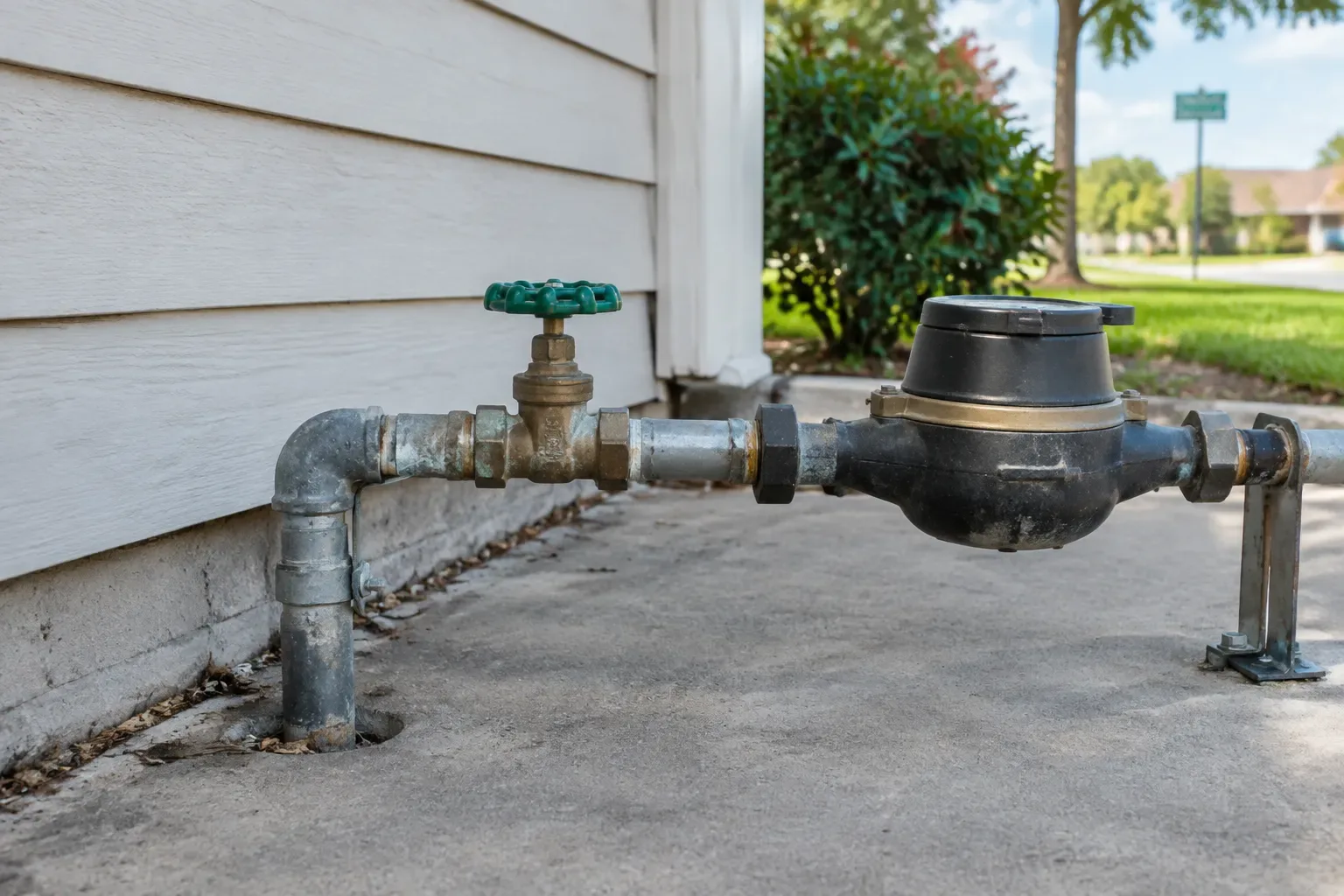
Supply pipes bring pressurized water to fixtures. Their problems may show up as leaks, reduced flow, pressure changes, or discolored water. Drain, waste, and vent piping carries used water away, so its problems more often involve slow drains, backups, sewer smells, or gurgling.
That distinction prevents expensive mistakes. Brown or yellow water can be associated with pipe corrosion, but it can also follow temporary disturbance, public-main work, or a water-heater problem. If discoloration is only on hot water, reviewing the water heater repair and installation options may be appropriate before assuming the entire supply system is failing.
Water-quality concerns also deserve care. Older plumbing materials or components can contribute to lead exposure in some circumstances, but age alone does not prove lead is present. The EPA's guidance on lead in drinking water explains why identifying plumbing materials and potential sources matters when this is a concern.
What should a plumber inspect before recommending a repipe?
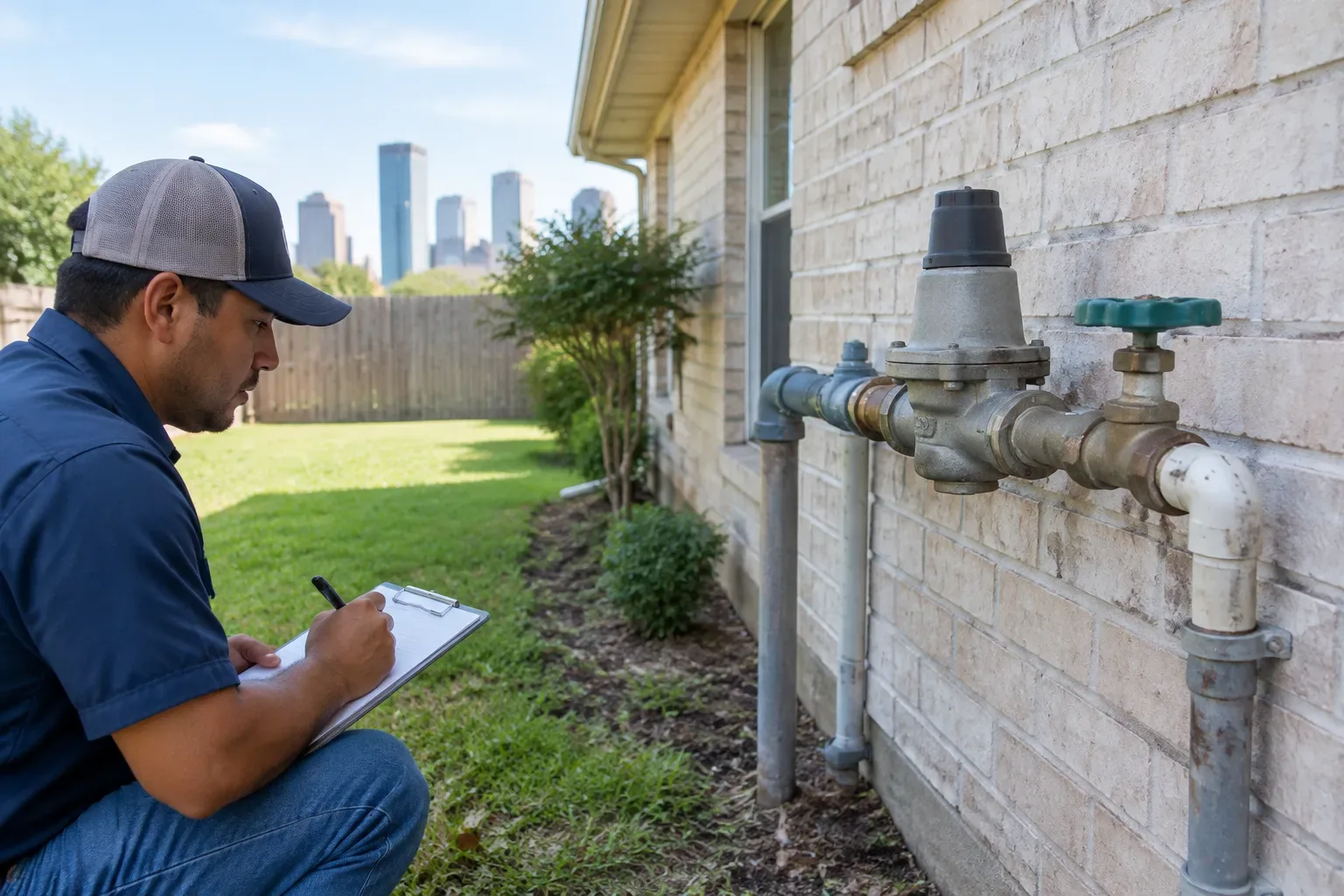
A useful recommendation should be based on evidence, not a generic expectation about the neighborhood or the home's age. Westbury properties may have different original materials, remodel histories, and pipe routes, even when they are close to Hillcroft.
- Identify the pipe material in accessible areas and distinguish water lines from drain or sewer piping.
- Map leak locations, repair history, water-pressure concerns, and any discolored-water reports.
- Test or inspect the system using methods appropriate to the symptom, such as pressure testing, electronic leak detection, or a drain camera.
- Review access routes, including slab, walls, attic, crawlspace, and underground sections.
- Compare a defined repair scope with partial replacement, rerouting, or repiping in writing.
- Confirm restoration responsibilities, testing, warranty terms, and whether permits or inspections may apply.
Texas plumbing work is subject to a state regulatory framework. Homeowners can review the Texas State Board of Plumbing Examiners information and ask the plumbing professional which requirements apply to the specific project. Permit needs can vary by scope and location, so they should not be assumed without confirmation.
What should be included in a repair or repipe proposal?
A clear proposal makes it easier to compare options fairly. Ask for the affected material, confirmed or suspected failure locations, diagnostic method, repair boundaries, and the proposed pipe route. For broader work, request details about access openings, expected restoration responsibilities, shutoff locations, testing, disposal of removed material, warranty terms, and any permit or inspection handling.
Be cautious with a recommendation that skips the inspection findings. The most common mistake is treating every leak as a reason for a full repipe, or treating recurring leaks as unrelated events. Either choice can cost more over time. The better approach is to match the scope to the documented condition of the system.
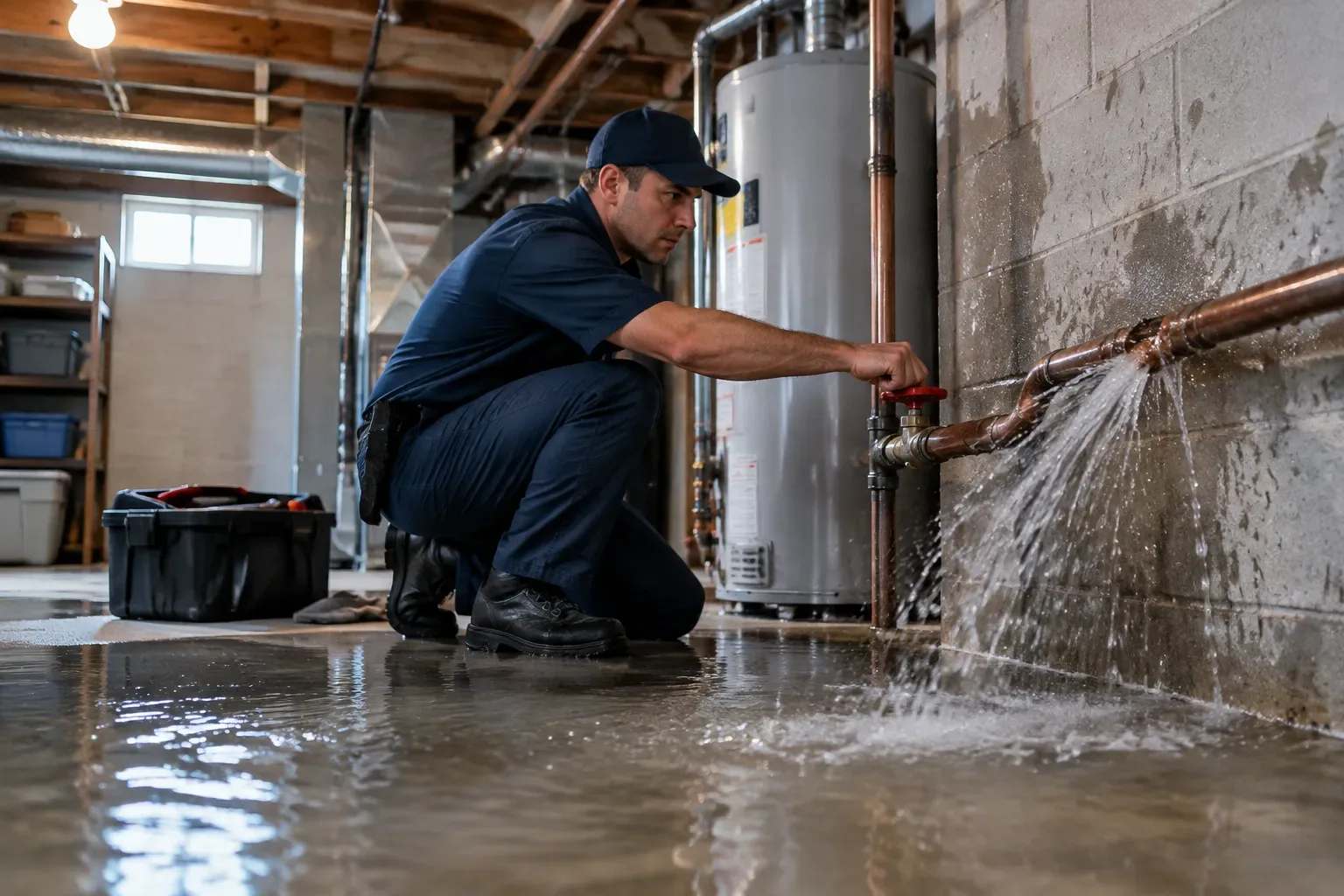
If active water is spreading, a pipe has burst, or a leak cannot be isolated, use the emergency plumbing service rather than waiting for a routine repair decision. One Plumbing Expert Houston states that emergency plumbing is available 24/7.
Should pipes be replaced before selling a Westbury home?
Not necessarily. Replacing every old pipe solely because a home is older may not be the best pre-sale decision. A plumbing inspection, documented repair history, and a targeted correction of confirmed defects can be more useful than a speculative full replacement.
A broader project may make sense before listing if there is documented system-wide deterioration, active leaks, repeated failures, or a condition likely to complicate a transaction. The practical goal is to understand the condition and present a clear record, not to assume one solution fits every property.
What is the practical takeaway for Westbury homes near Hillcroft?
Choose a targeted repair for a proven isolated failure. Move toward partial replacement, rerouting, or a full repipe only when inspection evidence shows a repeating or system-wide problem, especially where slab access or recurring underground repairs make piecemeal work less practical. A written, material-specific recommendation gives you a sound basis for the decision.
Ready to discuss your project?
For a Westbury home near Hillcroft, request an inspection that compares a focused repair with the appropriate replacement scope.
FAQ
Is one leaking pipe a sign that I need a whole-house repipe?
Usually, no. One leak may come from a damaged fitting, isolated corrosion, accidental damage, or a localized defect. A whole-house repipe becomes more reasonable when leaks occur in multiple areas, the same material shows widespread deterioration, or repairs keep returning. Ask for the pipe material, leak locations, and evidence about adjacent sections before deciding on a broader scope.
Can low water pressure mean old pipes are failing?
It can, particularly if internal corrosion has narrowed older supply piping. But pressure loss can also come from a clogged fixture, pressure regulator, shutoff valve, service line, or a municipal-side issue. Compare pressure at more than one fixture and have the system tested before approving replacement. A diagnosis should identify the restriction or pressure issue rather than relying on symptoms alone.
How do I know if a leak is an emergency?
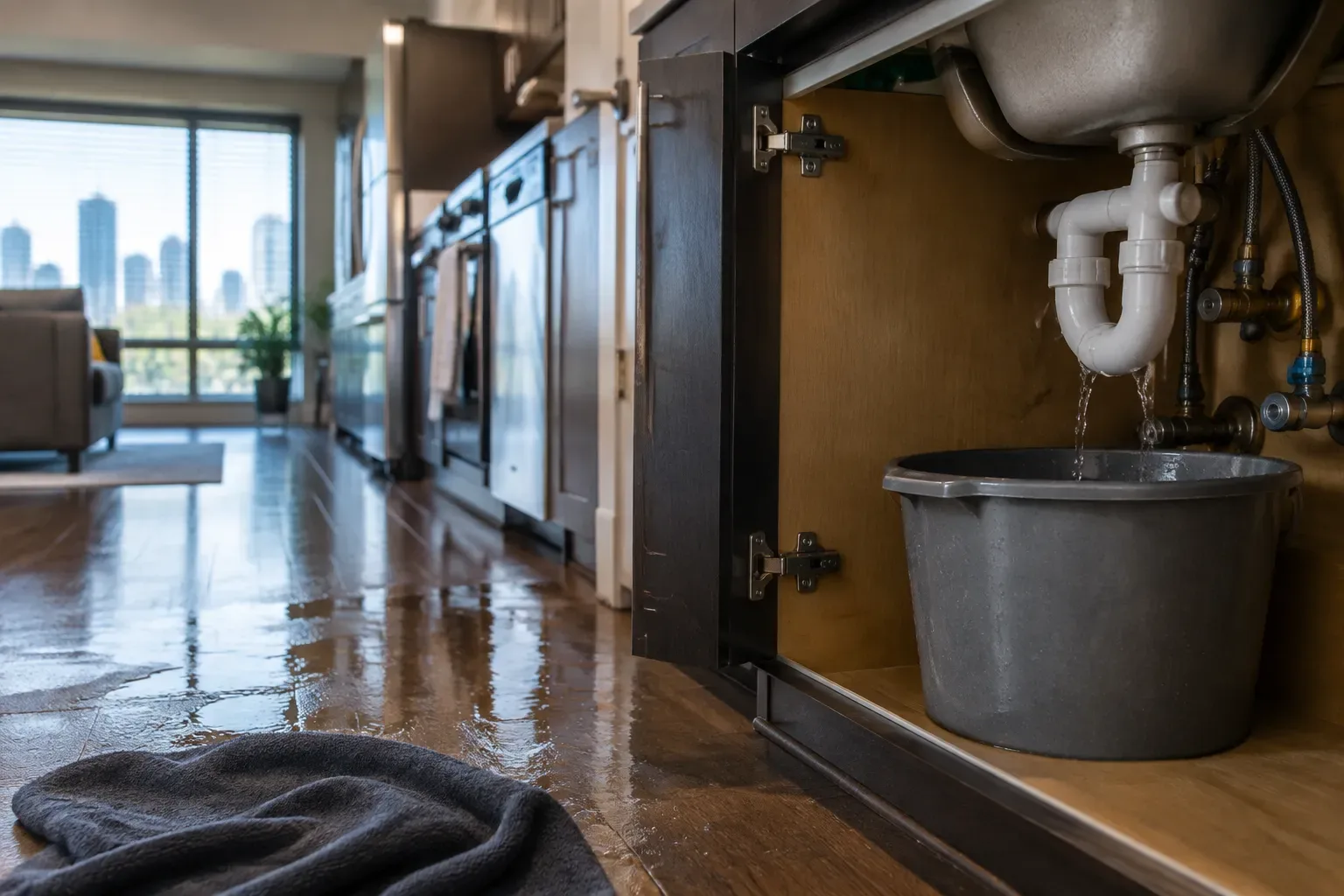
Treat uncontrolled water flow, a burst line, water near electrical equipment, rapidly spreading water, or an inability to shut off the supply as urgent. Shut off water at the closest safe valve or main valve if possible, then seek help. This guide on when emergency plumbing service is needed can help distinguish urgent situations from repairs that can be scheduled.
Should I repair a slab leak or reroute the pipe?
Either may be appropriate. A point repair can suit a first, isolated leak with a practical access point and sound surrounding piping. A reroute may deserve comparison after repeated slab leaks, difficult flooring access, or evidence that more of the embedded line is at risk. Ask how the route, wall or floor access, testing, and restoration differ between the options.
Can rusty water prove that all my pipes are corroded?
No. Rusty or yellow water can be related to pipe corrosion, but it can also be linked to temporary disturbance, water-heater issues, or public-main work. Note whether it occurs on hot water, cold water, one fixture, or throughout the home. A professional finding requires inspection and testing, not just the color of the water.
Are old cast-iron drain pipes part of a water-line repipe?
Not automatically. Cast iron is generally associated with drain piping, while a repipe often refers to water-supply lines. A home can have aging cast-iron drains and sound supply piping, or the reverse. Persistent slow drains, backups, or sewer odors may call for a separate drain or sewer evaluation rather than bundling every plumbing system into one project.
Can a small leak really cause serious damage?
Yes, a small hidden leak can damage finishes, create moisture problems, and increase water use if it continues unnoticed. The severity depends on location, duration, and how water travels through the structure. Read more about how a small water leak can cause major damage while arranging an inspection of an active or recurring leak.
What should I ask before approving pipe replacement?
Ask what material is failing, where failures were found, which diagnostic method was used, and why a repair is or is not expected to last. Also request the replacement material, route, access plan, restoration responsibilities, testing process, warranty terms, and any applicable permit or inspection steps. A good proposal makes the boundary between repair, partial replacement, and repiping clear.