Why Does a Toilet Gurgle Near Gessner Rd in Westwood?
A toilet that gurgles near Gessner Rd in Westwood is usually reacting to air pressure inside the drain system. Wastewater may be meeting a restriction, or the plumbing vent may not be moving air normally. The sound alone does not prove a sewer-line clog, but it is worth paying attention to, especially if the toilet bubbles when a shower, sink, or washing machine drains.
The pattern matters most. One noisy toilet can point to a local blockage, while several slow or bubbling fixtures can indicate a branch-drain or main sewer issue. One Plumbing Expert Houston can help assess drain and sewer symptoms in the Houston area without assuming the sound identifies one specific failed part.
Quick Answer
A gurgling toilet happens when air is forced through the bowl because wastewater cannot flow or vent as intended. A simple toilet clog is one possibility. Other possible causes include a restriction in a nearby drain line, a main building sewer blockage, or a venting problem. If multiple drains are slow, the bowl water rises or falls, or wastewater appears in a tub or shower, reduce water use and arrange a prompt professional evaluation.
What does the gurgling sound actually mean?
A plumbing drainage system needs both a clear path for wastewater and a route for air to move. Vent piping helps protect trap seals and lets the drainage system operate properly, as described in the International Plumbing Code vent provisions. A blockage downstream can also displace air and produce a similar sound.
That is why a gurgle is an observable symptom, not a diagnosis. It may occur after a toilet flush, while the shower drains, or when a washing machine sends a large volume of water down its standpipe. The triggering fixture gives a plumber useful clues about where to start testing.
Is it a toilet clog, drain-line clog, sewer problem, or vent issue?
These possibilities can overlap in their symptoms, but they do not call for the same fix.
Local toilet or nearby branch clog
A toilet that is slow to flush or gurgles by itself may have a restriction in the fixture trapway or the nearby branch drain. A plunger can sometimes help a simple toilet clog, but repeated clogs deserve investigation.
Branch-drain restriction
If one bathroom's toilet, sink, and tub all react together, a blockage may be farther along the shared drain serving that area. Water may drain slowly before any actual backup occurs.
Main building sewer restriction
Multiple fixtures in different parts of the building that bubble, drain slowly, or back up raise concern about the main drain or private sewer lateral. This is not a problem to solve by repeatedly plunging one toilet.
Venting problem
A blocked, damaged, or poorly configured vent can disturb air movement and make fixtures gurgle. A vent issue can sound much like a drain restriction, so inspection is needed to distinguish them.
A toilet that only gurgles while another fixture runs is often giving a better clue than one that gurgles after a single flush. For example, a washing machine can expose a partial restriction because it discharges water quickly. A shower or tub backing up into a low fixture may point to a downstream drainage problem rather than a clog in the toilet itself.
Which fixture patterns should concern you most?
Use the pattern as a guide, not as proof of one cause.
| What you notice | Possible explanation | What to do next |
|---|---|---|
| One toilet is sluggish or gurgles after flushing | Local toilet blockage or nearby branch restriction | Try one careful plunge if there is no backup; seek service if it repeats. |
| Toilet bubbles when the sink drains | Shared bathroom branch restriction or a venting issue | Avoid chemical openers and note whether the sink is also slow. |
| Toilet gurgles when the shower runs | A restriction farther down the bathroom drain or abnormal venting | Check for tub or shower backup and schedule diagnosis if it persists. |
| Toilet bubbles when the washing machine drains | High-volume discharge is exposing a partial branch or main-drain restriction | Minimize water use until the system is evaluated, especially if other fixtures react. |
| Several fixtures are slow or wastewater rises in a tub | Main building sewer or sewer-lateral restriction is possible | Stop using water where practical and seek prompt drain or sewer service. |
What should you do before calling a plumber?
A few safe observations can make diagnosis faster. Do not remove plumbing vents, use harsh chemicals, or keep testing the system with repeated flushes.
- Stop and note the trigger: toilet flush, sink, shower, dishwasher, or washing machine.
- Check whether the toilet bowl water level rises, falls, or bubbles after another fixture drains.
- Look for slow drainage, sewage odor, or wastewater appearing in a tub, shower, or floor drain.
- If wastewater is backing up, avoid running water, doing laundry, showering, or flushing until the condition is assessed.
- Record whether the symptom began during or immediately after heavy rain, then share that timing with the plumber.
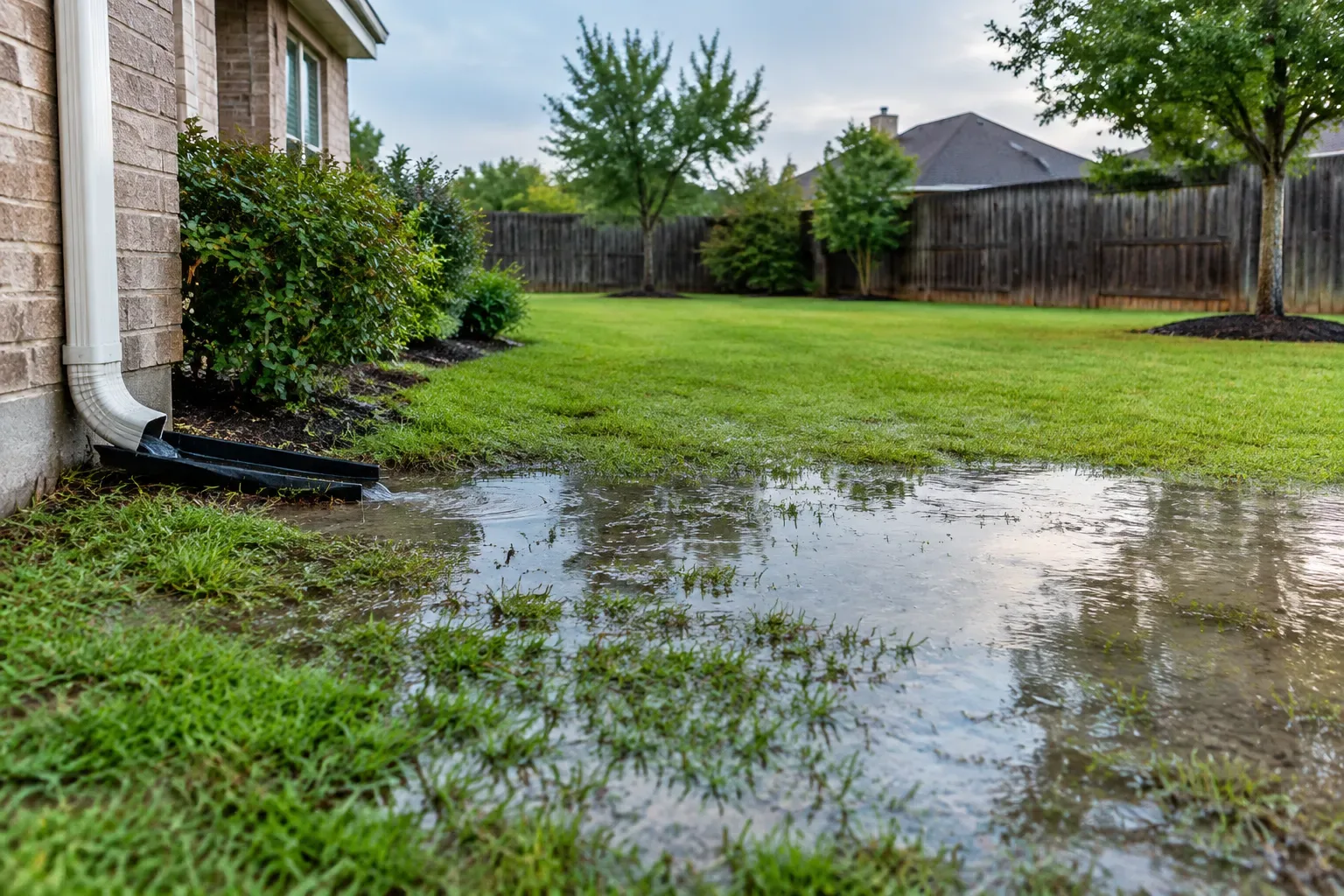
Houston's intense rain events can temporarily affect drainage behavior or expose defects that are not obvious in dry conditions. Rain timing is useful information, but ongoing gurgling whenever indoor fixtures run still calls for evaluation of the home's own drain, vent, and sewer connections.
Why chemical drain cleaner and repeated plunging can make things worse
A plunger can be reasonable for a single, ordinary toilet clog when no other fixture is affected. It is much less likely to resolve a main-drain restriction, root intrusion, damaged pipe, or vent defect. Repeatedly plunging a toilet that reacts to several fixtures can delay the right diagnosis.
Chemical drain openers are also a poor default response when the source is unknown. They may not reach the restriction, cannot repair damaged piping or a vent defect, and can leave hazardous chemicals in the line for anyone who later works on it. See this guide on whether drain cleaner is bad for pipes before using a chemical product on an unexplained drainage problem.
When is drain cleaning enough, and when is a sewer inspection more useful?
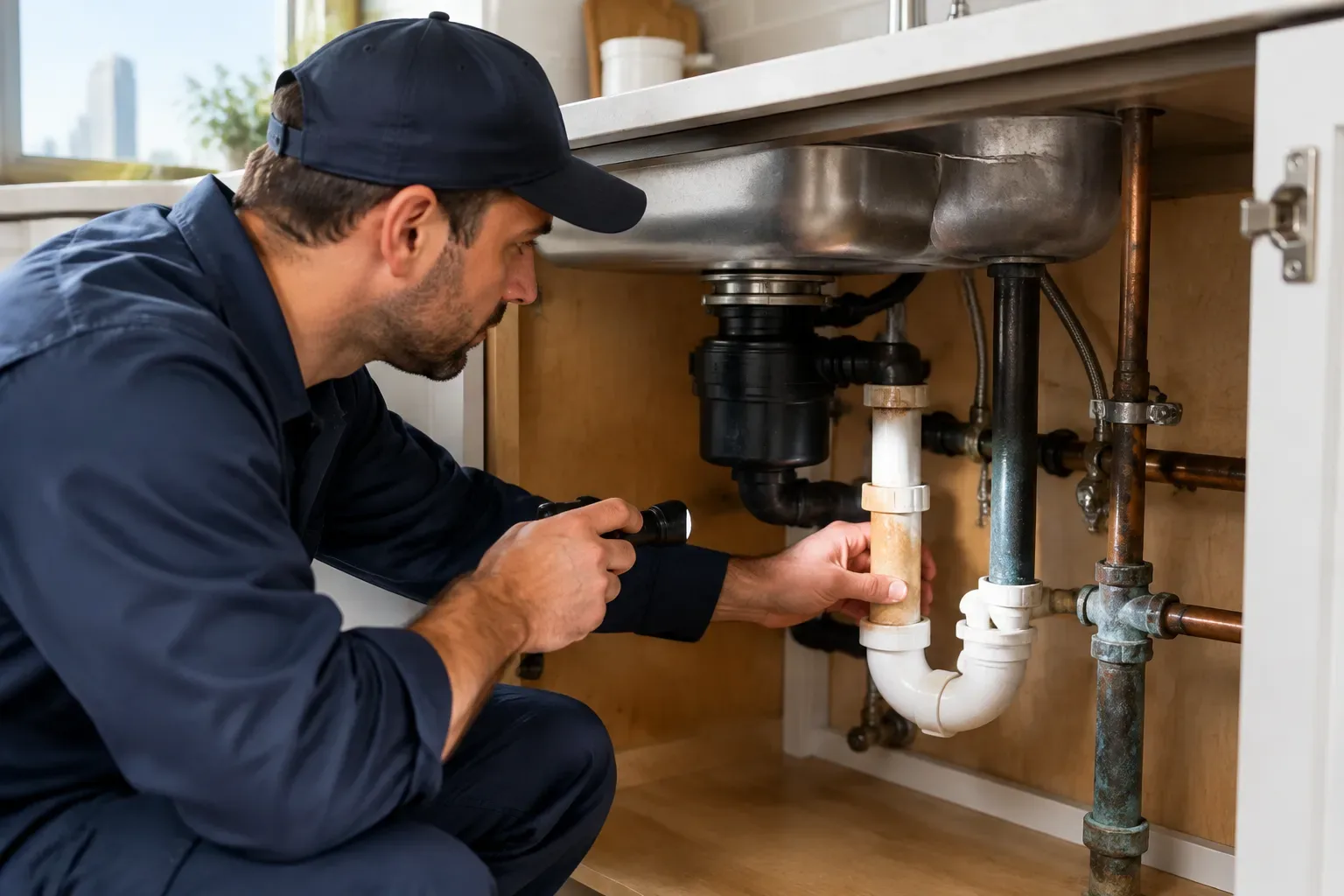
Professional drain cleaning may be appropriate for a confirmed blockage in an accessible fixture or branch line. The right clearing method depends on the location and nature of the restriction, so a professional should determine the approach rather than treating every gurgle as the same type of clog.
Recurring gurgling, repeated backups, or multiple affected fixtures can make sewer-line services the more relevant next step. In parts of Houston, older or modified plumbing layouts can have aging materials, altered drain runs, low spots, separated joints, undersized sections, or venting changes. Ground movement and mature-tree conditions can also affect buried private sewer piping at some properties. These are possibilities to inspect for, not assumptions about any property near Gessner Road.
A camera inspection can be particularly useful when clearing a drain does not solve a recurring issue. It can help identify the condition and location of a persistent restriction or piping defect before repeated cleaning attempts are made. If a separate water leak or water damage is suspected, leak detection and repair may also be relevant, though a gurgling toilet by itself does not establish that a leak exists.
When does a gurgling toilet become an urgent plumbing problem?
Treat the situation as urgent if toilet water is rising toward the rim, wastewater is entering a tub or shower, several fixtures are backing up, or sewage odor is strong and persistent. Limit water use immediately. Running a dishwasher, washer, shower, or additional flushes can add more wastewater to a restricted line.
For active backup or overflow concerns, emergency plumbing service is more appropriate than waiting to see whether the sound disappears. One Plumbing Expert Houston describes its emergency plumbing availability as 24/7.
Not every property is connected to a municipal sewer. If a property uses a private septic system, the problem could also involve the tank or drainfield as well as household plumbing, as explained in the EPA's septic system basics. That condition requires the appropriate septic professional or plumbing evaluation based on the system involved.
The practical takeaway
Do not diagnose a gurgling toilet by sound alone. Track which fixture triggers it, watch for slow drains or backup, and stop adding water if several fixtures are affected. That information helps separate a limited clog from a drainage, sewer, or vent issue that needs a more complete inspection.
Ready to discuss your project?
If your toilet gurgles when another drain runs near Gessner Rd, request an evaluation before a minor drainage symptom becomes a backup.
FAQ
Why does my toilet gurgle when the shower runs?
The shower and toilet may share part of a bathroom drain, so shower water can displace air through the toilet if flow is restricted downstream. A venting issue can create a similar reaction. Check whether the shower drains slowly or whether the toilet bowl level changes. If both fixtures repeatedly react, a professional drain evaluation is safer than treating it as a simple toilet clog.
Does a gurgling toilet always mean the sewer line is clogged?
No. A local toilet blockage, a shared branch-drain restriction, and a plumbing-vent issue can all cause gurgling. A main sewer restriction becomes more likely when fixtures in different rooms are slow, bubbling, or backing up. The most useful clue is the pattern across the building, not the noise by itself.
Why does my toilet bubble when the washing machine drains?
A washer releases a substantial amount of water quickly, which can reveal a partial restriction that a slowly draining sink does not expose. The restriction may be in a shared branch line or farther along the main drainage route. Avoid running another laundry load until you know whether other fixtures are reacting or draining slowly.
Can a blocked plumbing vent make a toilet gurgle?
Yes. Vent piping allows air to move as wastewater travels through drains, and disrupted venting can lead to bubbling or gurgling. However, the same symptom can come from a drain blockage. A professional needs to test the system rather than assuming the vent is at fault, particularly if slow drains or backups are also present.
Should I call for emergency plumbing if my toilet is gurgling?
Gurgling without backup may allow time for a scheduled evaluation, especially if it is limited to one fixture. Seek faster help if wastewater appears in a shower or tub, the bowl rises, multiple drains slow down, or sewage odor is present. This overview of when emergency plumbing service is needed can help you judge the warning signs.
Could a small leak cause toilet gurgling?
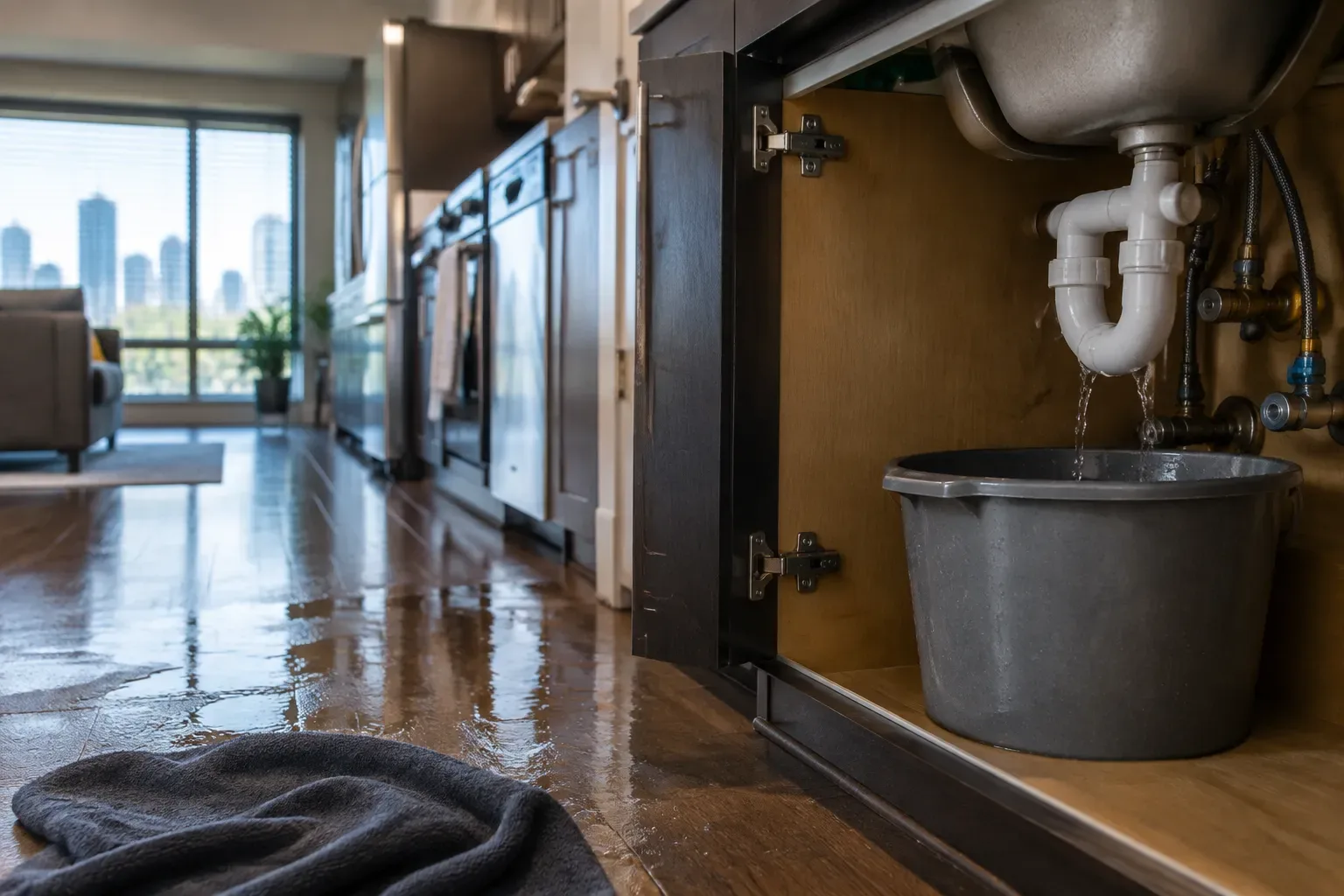
A small water-supply leak does not usually cause a toilet to gurgle because gurgling is generally tied to drainage airflow or wastewater flow. Still, unexplained moisture, water damage, or a high water bill can indicate a separate issue worth checking. Learn more about how a small water leak can cause major damage if you notice wet areas near plumbing.
Why does the toilet gurgle only after heavy rain?
Heavy rain can temporarily change drainage conditions or reveal a defect that is less noticeable in dry weather. Note whether the gurgling occurs only during storms or continues whenever indoor fixtures run. The distinction helps guide diagnosis, but storm timing does not prove that public infrastructure is the cause or that the problem is outside the property.
Can I use a plunger on a gurgling toilet?
You can try a plunger once if the toilet is the only affected fixture, the bowl is not close to overflowing, and there is no backup elsewhere. Stop if plunging does not help or if the toilet bubbles when other drains run. A plunger cannot correct a main-line obstruction, damaged sewer lateral, or venting defect.