Why Does a Shower Drain Smell Near Beechnut in Braeburn?
A shower drain near Beechnut in Braeburn can smell because of hair and soap buildup, a dry P-trap, or a problem farther into the drain, vent, or sewer system. The odor alone cannot confirm which cause is present, but its timing and related symptoms can point you toward the right next step.
If the shower is rarely used, restoring water to the trap may help. If the odor returns quickly, the drain runs slowly, or other fixtures smell too, the issue needs a closer plumbing evaluation. One Plumbing Expert Houston serves Braeburn and nearby Houston areas with diagnostic and plumbing services.
Quick Answer
Start by removing hair and residue from the drain cover, then run water into the shower for a short time. A smell that fades after water runs may be related to a low or dry trap seal. A persistent sewage-like odor, gurgling, slow drainage, backup, or odor from multiple fixtures can indicate a deeper drain, vent, or sewer-line concern that cleaning the surface alone will not fix.
What can make a shower drain smell bad?
The smell you notice is a symptom. The cause may be close to the drain opening, inside the trap, or elsewhere in the plumbing system. Houston's hot, humid conditions can make damp organic residue and soap film develop noticeable odors faster, so regular drain-cover cleaning and bathroom ventilation can make a practical difference.
Hair, soap film, and biofilm
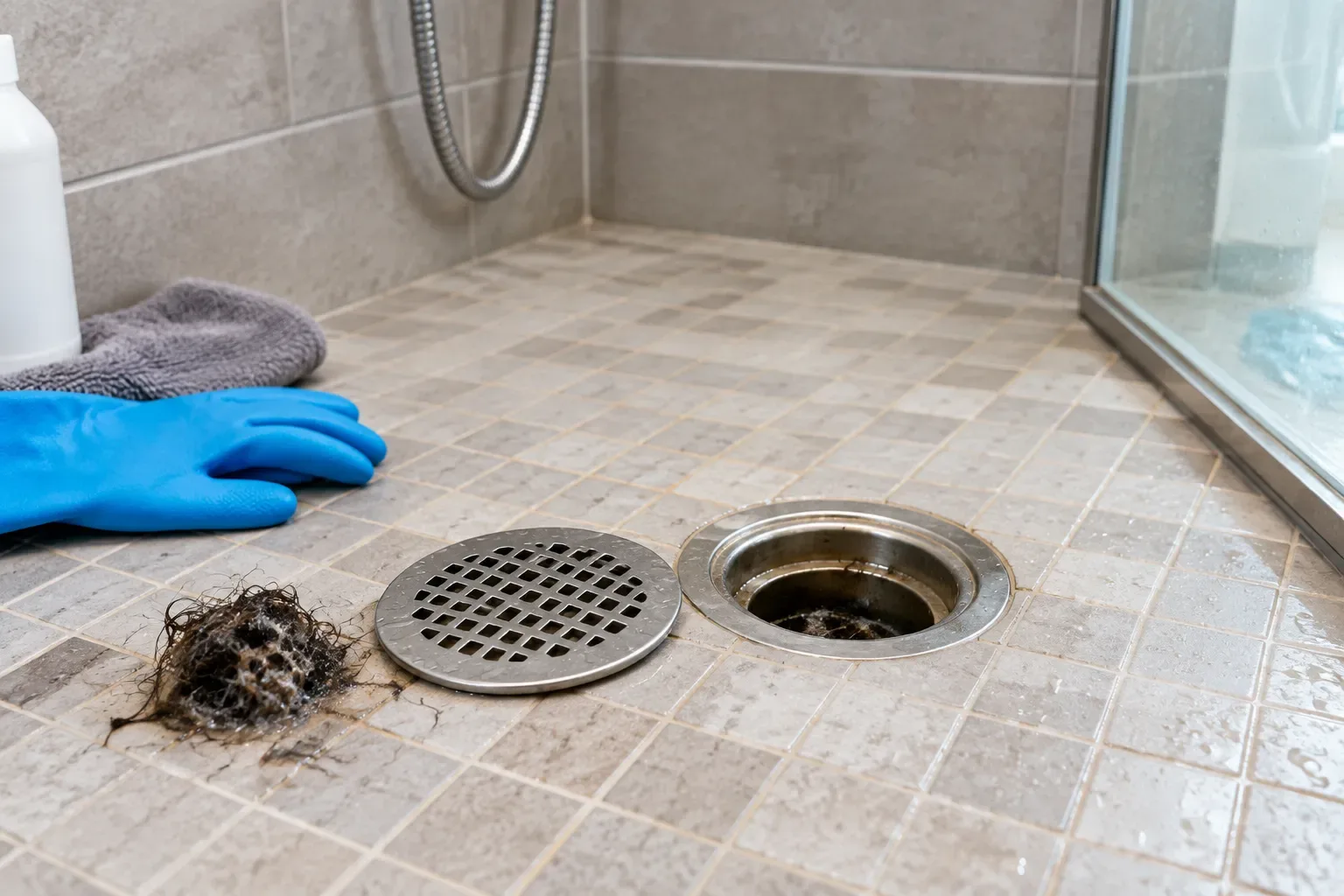
Hair catches soap, skin oils, and other residue. Microbial growth on that material can create a musty, sour, or sewage-like smell, especially when water drains slowly.
A dry or compromised P-trap
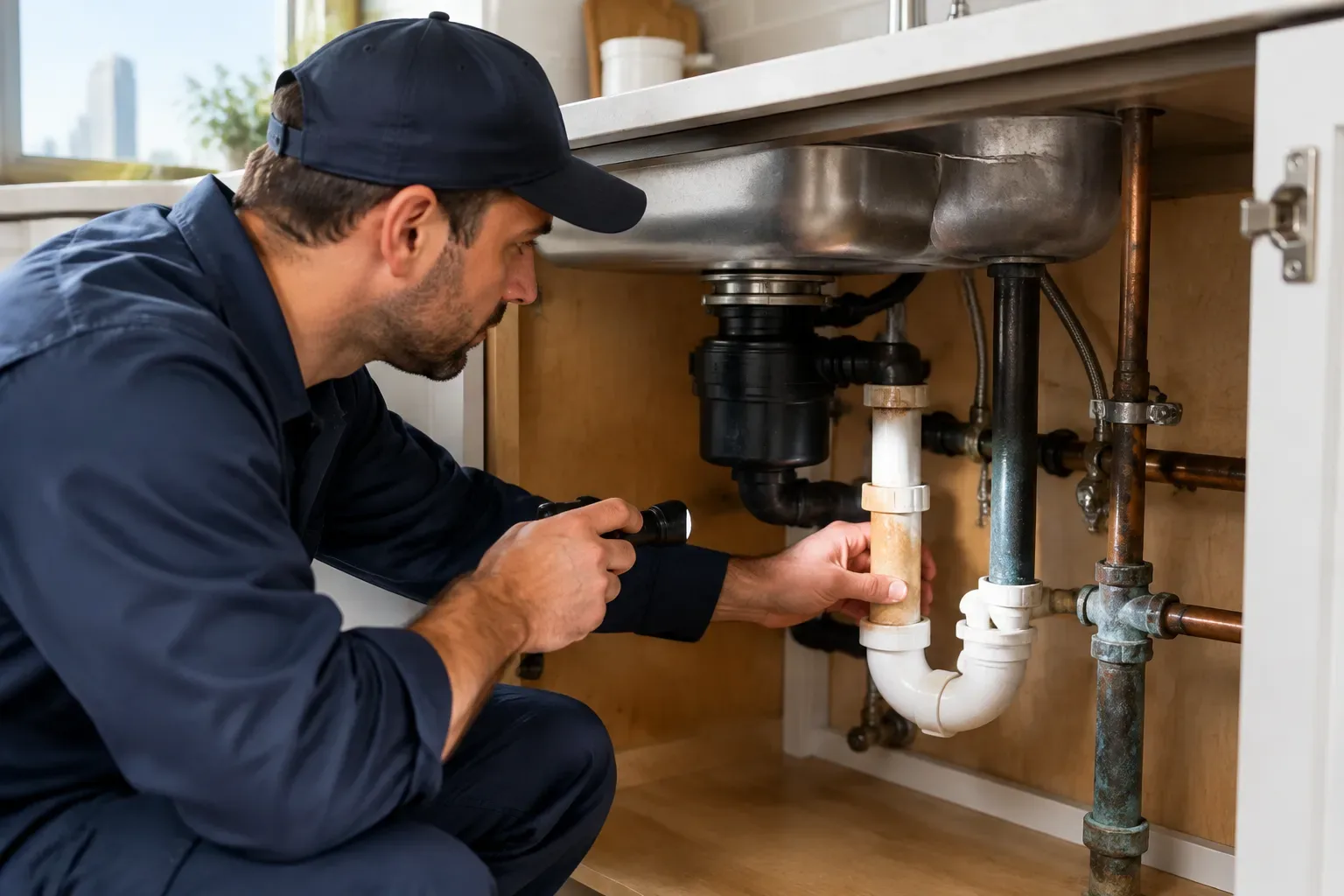
The P-trap is the curved section of pipe below the fixture that holds water. That water barrier helps block sewer gases from entering the bathroom; evaporation or a trap issue can reduce that protection.
A drain, vent, or sewer-system issue
A partial blockage, venting problem, damaged pipe, or sewer-line defect can allow odors to persist or return. These possibilities require inspection because the same odor can have several different sources.
Plumbing systems use trap seals and venting to keep drainage-system gases out of occupied rooms, which is why a recurring odor warrants more than deodorizing the drain. The International Plumbing Code overview provides useful technical context for the role of traps and drainage-system design.
How can you tell a dry P-trap from drain buildup?
A dry-trap possibility is stronger when a shower has not been used for a while and the odor improves soon after running water. That observation does not prove the trap is intact, but it is a sensible first check.
Buildup is more likely when you can see hair or dark residue around the cover, the smell is strongest at the drain opening, or the shower drains more slowly than usual. A smell that returns soon after visible debris is removed may mean residue remains farther down the branch drain, or it may point to a different cause.
What can you safely try before calling a plumber?
Keep the first attempt simple and mechanical. Do not mix cleaners, and do not assume a strong product will solve a sewer-gas or venting problem.
- Remove the drain cover if it can be lifted safely, then pull away visible hair and soap residue without pushing it farther into the pipe.
- Clean the cover and the accessible drain opening with a brush and mild household cleaning solution, following the product label.
- Run water into the shower for a short period, especially if it has not been used recently, and note whether the odor changes.
- Check for related symptoms: slow drainage, gurgling, bubbling, toilet movement, visible backup, or odors at other fixtures.
- Stop DIY attempts and arrange an inspection if the odor is strong, keeps returning, or occurs with drainage symptoms.
For more context before using a harsh product, read whether drain cleaner can be bad for pipes.
When does a shower odor point to a larger plumbing problem?
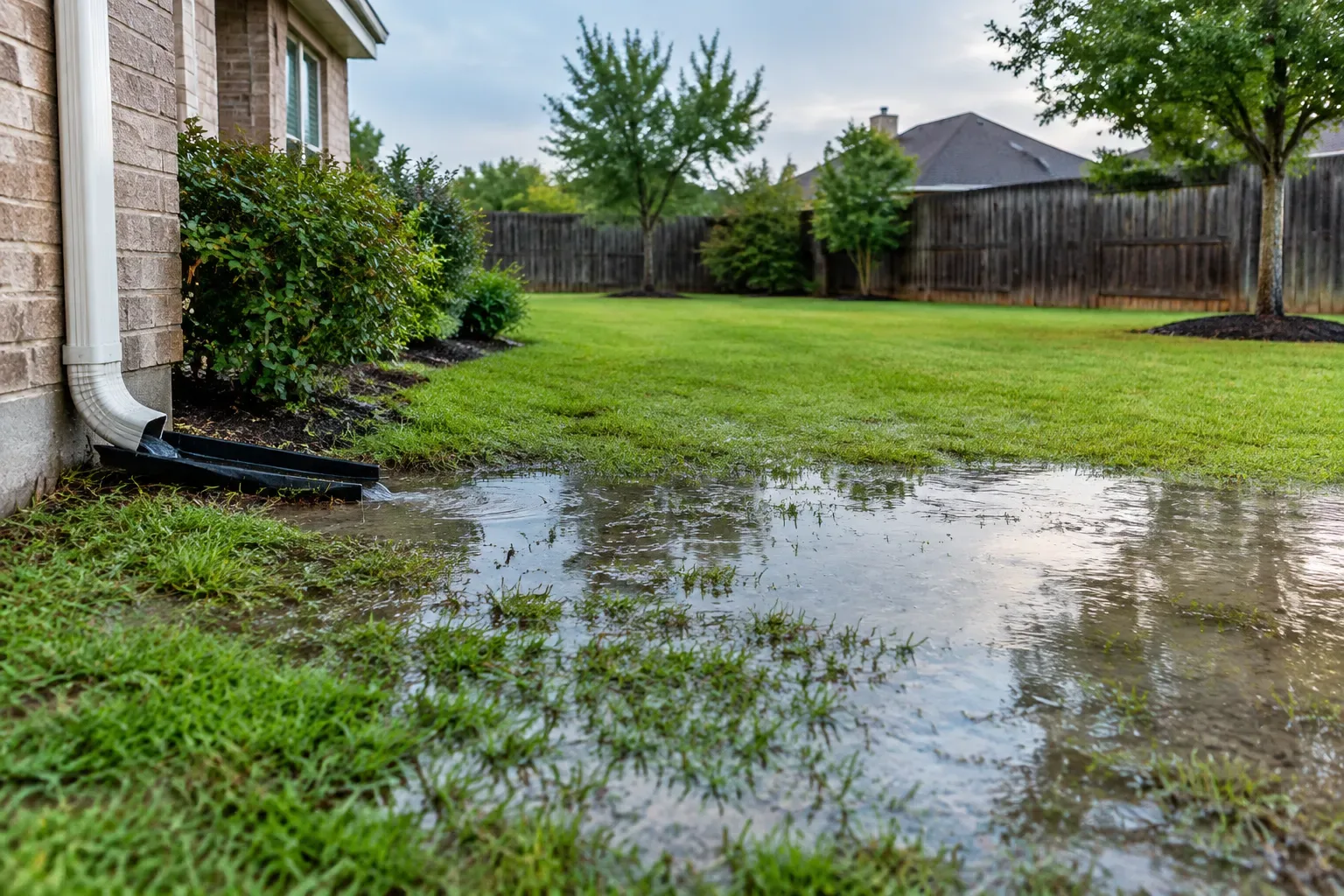
One smelly shower can be a fixture-level issue, but several affected fixtures raise the level of concern. Odor from multiple drains, repeated gurgling, toilet bubbling, sewage backup, or a smell that becomes worse after heavy rain can suggest a drainage, vent, or sewer issue. Rain-related timing alone does not prove a municipal sewer or private sewer-line defect, but it is useful information to report during an inspection.
Many Houston-area homes have slab foundations or older plumbing systems, so a persistent localized odor with slow drainage may require evaluation beyond the visible drain opening. Depending on the symptoms, a plumber may inspect the trap and drain path, assess venting, or determine whether a concealed leak or sewer-line condition needs attention. Leak detection and repair may be appropriate when dampness, unexplained moisture, or suspected hidden leakage accompanies the odor. Persistent multi-fixture symptoms can justify a sewer line services evaluation.
When is a smelly shower drain an emergency?
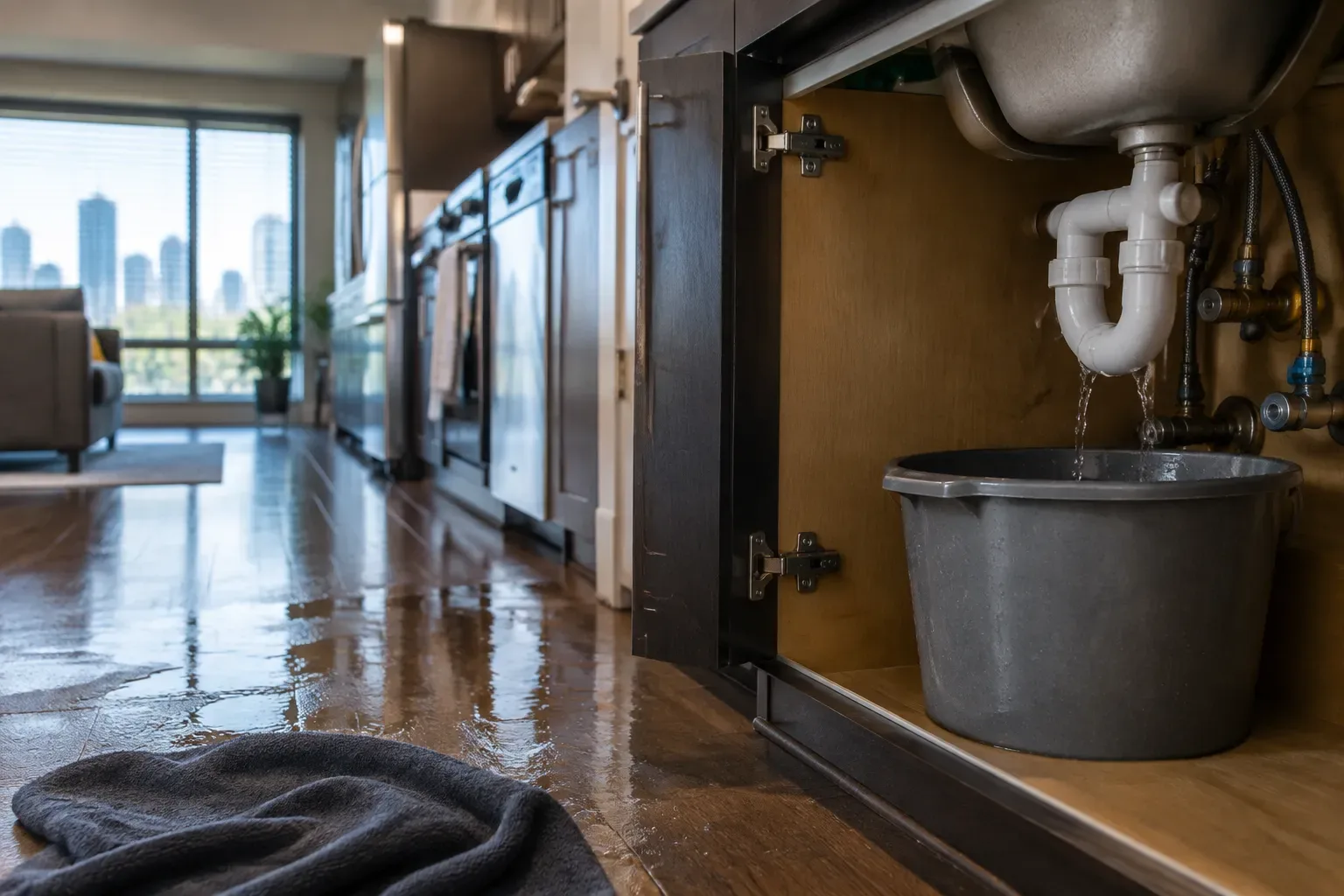
A smell by itself is usually not an emergency, particularly if it resolves after routine cleaning and the shower drains normally. Act promptly, however, if sewage is visible, wastewater backs up into the shower, water is actively leaking, multiple fixtures are failing, or anyone experiences headache, nausea, or dizziness around a strong odor. Leave the immediate area for fresh air if symptoms occur and avoid running more water into a backing-up system.
For active backups or other urgent plumbing conditions, review emergency plumbing service. The right response is not always the largest repair: a localized clog may only need drain clearing, while a confirmed sewer or vent defect requires a different solution.
Could the smell be coming from the water instead of the drain?
Sometimes the source is not the drain. If the odor occurs only while hot water is running and seems to come from the water itself, compare it with cold water at the same fixture and hot water at another faucet. A water-supply or water-heater issue is a different diagnostic path from a drain odor. Water heater repair and installation is relevant when the pattern clearly follows hot water rather than the drain opening.
If the odor is musty around wet flooring, walls, or a shower enclosure rather than strongest at the drain, moisture damage or mold-like growth outside the plumbing drain may also be involved. A plumber can assess plumbing-related moisture, but surface materials, ventilation, or building-condition issues may require another qualified professional.
What should you do if the odor keeps coming back?
Write down when it occurs, whether the shower is slow to drain, and whether other fixtures are affected. That short symptom record helps separate a recurring buildup problem from a possible trap, vent, leak, or sewer concern. The most common mistake is repeatedly masking the smell with chemicals while the underlying condition continues.
For a persistent odor near Beechnut in Braeburn, ask for an inspection focused on the actual pattern of symptoms, not a preset repair. A proper finding should follow an evaluation of the fixture and connected plumbing.
Ready to discuss your project?
For a recurring shower-drain odor near Beechnut in Braeburn, request an inspection that focuses on the symptoms you are noticing.
FAQ
Why does my shower drain smell like sewage only after it has not been used?
A seldom-used shower can lose water from its P-trap through evaporation. The water in that curved pipe normally blocks gases from the drainage system. Run water into the shower for a short time and see if the smell improves. If it returns quickly despite regular use, the trap, venting, or connected drain may need inspection.
Can hair and soap scum really make a shower drain smell?
Yes. Hair traps soap, oils, and skin residue, creating a damp surface where odor-causing buildup can form. Cleaning visible debris may help, but it may not reach material deeper in the pipe. If the shower stays slow or the odor returns soon after cleaning, professional drain clearing may be more effective than repeated chemical treatment.
Why does my shower drain smell worse after rain?
Heavy rain and saturated ground can expose or worsen an existing drainage or sewer defect, but the timing does not establish the cause by itself. Note whether other fixtures gurgle, drain slowly, or smell at the same time. Those details help a plumber decide whether a localized shower drain issue or a larger drainage-system concern is more likely.
Does a bad shower-drain smell mean I have a sewer-line problem?
Not necessarily. A smell from one shower may come from buildup, a dry trap, or that fixture's branch drain. Odors from several fixtures, backups, gurgling, and toilet bubbling create more reason to investigate venting or the sewer line. For a broader look at household-wide odors, see why a house can smell like sewage.
Is it safe to use chemical drain cleaner for a shower odor?
It is not the best first response to an unexplained odor. Chemical products cannot restore a missing trap seal or repair a vent, pipe, or sewer defect. They can also be hazardous if mixed with other products or left in a drain before service. Start with visible debris removal and water flow, then seek help if the problem persists.
Could a hidden leak cause a smell near my shower?
It can, particularly if the smell is musty and you also notice damp materials, staining, soft surfaces, or unexplained moisture. A drain odor and a concealed leak are different possible causes, and neither should be assumed without inspection. Learn why even a small leak deserves attention in this guide to hidden water damage.
When should I call a plumber for a shower drain odor?
Call when the smell is persistent or strong, returns after basic cleaning, comes with slow drainage or gurgling, affects multiple fixtures, or accompanies any backup or visible sewage. A plumber can identify whether the issue is limited to the shower drain or needs a wider drainage, vent, or sewer evaluation. For help judging urgency, see how to know if you need emergency plumbing service.